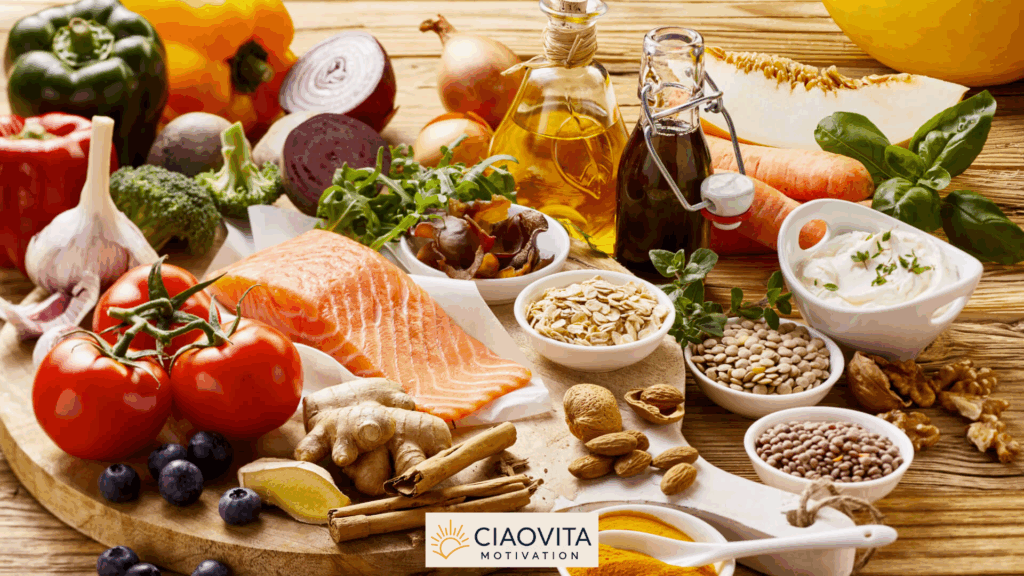
Mediterranean Diet: Beyond Food to Better Living
How This Ancient Lifestyle Transforms Modern Health
The Mediterranean diet represents far more than a simple eating plan. Scientists now understand it as a complete healthy lifestyle approach that combines nutrition, physical activity, sleep quality and social connections. This holistic pattern developed naturally over centuries in countries surrounding the Mediterranean Sea.
Recent systematic research reveals something remarkable about this ancient approach. Studies analyzing hundreds of thousands of participants across different countries show that people who embrace Mediterranean lifestyle principles experience dramatic improvements in their overall quality of life. The protection extends beyond just living longer. Research demonstrates this lifestyle maintains optimal health status during those extra years, with the strongest effects appearing in physical health domains.
Most people focus solely on dietary components when they think about Mediterranean eating patterns. They know about olive oil, fresh vegetables and fish. However, comprehensive evidence shows that several crucial lifestyle elements receive almost no attention in popular discussions, yet these factors may determine success or failure.
The Missing Elements Everyone Overlooks
Sleep patterns represent one major overlooked factor in Mediterranean lifestyle success. Traditional Mediterranean cultures include both adequate nighttime sleep and short daytime rest periods after lunch. Studies demonstrate that both sleeping too little and sleeping too much increase mortality risk. The key lies in total daily sleep hours rather than focusing only on nighttime rest.
Research from the MORGEN prospective study found compelling evidence for sleep’s importance. People following a combination of Mediterranean lifestyle behaviors reduced their risk of fatal cardiovascular events by 67%. When adequate sleep joined the equation, protection jumped to 83%. This dramatic increase shows sleep quality matters as much as diet composition.
Social connections form another critical element that distinguishes Mediterranean lifestyle from simple dietary changes. Mediterranean people regularly gather for meals, share food with family and friends, and maintain strong community ties. Research confirms that poor social interaction increases mortality risk by over 40%. The social dimension of eating matters significantly for psychological health and overall wellbeing.
Personal involvement in food preparation also plays an important role that extends beyond nutritional content. Studies show that children who help prepare meals increase their vegetable intake and develop better feelings of control and satisfaction. Adults who participate in cooking programs reduce fast food consumption and improve their ability to prepare nutritious meals quickly.
Key Lifestyle Components Beyond Diet:
- Adequate Sleep Duration: Seven to nine hours for most adults, including possible short daytime rest
- Social Meal Patterns: Regular gatherings with family and friends during meals
- Food Preparation Involvement: Personal participation in cooking and meal planning
- Daily Physical Activity: Movement integrated into daily life rather than structured exercise only
- Seasonal Local Foods: Connection to regional food availability and agricultural rhythms
The beauty of this approach lies in its holistic nature. Chronic disease has multiple causes and requires multifaceted solutions. Mediterranean lifestyle, if thoroughly evaluated and properly applied, provides a comprehensive framework for disease prevention and wellness promotion that addresses biological, psychological and social health dimensions simultaneously.
Cardiovascular Health and Metabolic Protection
Cardiovascular health benefits from Mediterranean lifestyle represent some of the most robust findings in nutritional science. A groundbreaking meta-analysis examining 679,259 participants from 28 studies revealed powerful protection against heart disease and death. Research shows that high adherence to Mediterranean diet reduces all-cause mortality risk by 23% compared to low adherence groups.
Protection against specific cardiovascular conditions proves even more impressive when examining detailed outcomes. Analysis of observational studies showed that people with highest adherence to Mediterranean principles had 24% lower risk of cardiovascular disease events and mortality. Breaking down individual conditions reveals 28% reduced risk of coronary heart disease, 33% lower risk of heart attack and 34% decreased stroke risk.
The mechanisms behind these benefits involve multiple pathways that work synergistically. Mediterranean diet components reduce chronic inflammation through polyphenols and omega-3 fatty acids. These compounds modulate inflammatory markers known to contribute to atherosclerosis development. Olive oil, a cornerstone of Mediterranean eating, improves endothelial function and arterial flexibility through mechanisms involving nitric oxide production and vascular health.
Benefits extend to metabolic health in ways that challenge conventional thinking about weight management. Higher adherence reduces the likelihood of developing type 2 diabetes, even in people already showing prediabetic signs. Studies also demonstrate improvements in metabolic syndrome, which includes a cluster of conditions like high blood pressure, elevated blood sugar, excess abdominal fat and abnormal cholesterol levels.
Interestingly, protective effects appear even among people who are overweight or obese. One study showed that those following Mediterranean principles most closely were protected against cardiovascular disease and type 2 diabetes despite carrying extra weight. This suggests the benefits go beyond simple weight management to fundamental metabolic regulation at the cellular level.
The cardiovascular health protection extends across primary and secondary prevention contexts. Research demonstrates benefits both in healthy populations seeking disease prevention and in patients who already experienced cardiovascular events. For patients with established heart disease, Mediterranean diet adherence shows 67% reduction in fatal cardiovascular events when combined with adequate sleep and social eating patterns.
Brain Health and Cognitive Function
The Mediterranean lifestyle exerts powerful effects on cognitive function and brain health throughout the lifespan. Recent meta-analysis examining the relationship between Mediterranean diet and neurodegenerative diseases reveals significant protection against Alzheimer’s disease and dementia. Studies pooling data from thousands of participants found that higher Mediterranean adherence associated with reduced risk of cognitive decline.
Evidence from 2025 research demonstrates that Mediterranean diet adherence may reduce Alzheimer’s disease risk by 27% compared to low adherence groups. For overall dementia risk, the protective effect shows 16% reduction. These findings represent comprehensive analysis of observational studies following participants for years to decades, providing robust evidence for long-term brain protection.
Components such as polyphenol-rich foods and omega-3 fatty acids contribute to enhanced cognitive function by reducing neuroinflammation and oxidative stress. These compounds improve brain plasticity, support mitochondrial function and modulate the gut-brain axis, all implicated in maintaining cognitive health during aging.
The Mediterranean lifestyle positively affects mood regulation and mental health beyond cognitive protection. Components including antioxidants, polyphenols and omega-3 fatty acids modulate brain neurochemistry by reducing oxidative stress and inflammation, factors known to contribute to mood and affective disorders. Research investigating thousands of participants found that higher Mediterranean adherence associated with better mental health outcomes.
The diet’s emphasis on plant-based foods, healthy fats and moderate protein intake supports brain function through multiple mechanisms. Extra virgin olive oil provides oleocanthal, a compound with anti-inflammatory properties similar to ibuprofen. Nuts supply vitamin E, which protects cell membranes from oxidative damage. Fatty fish deliver docosahexaenoic acid (DHA), essential for maintaining brain cell structure and function.
Brain-Protective Mediterranean Components:
- Polyphenol-Rich Foods: Berries, extra virgin olive oil, nuts provide antioxidant protection
- Omega-3 Fatty Acids: Fish, walnuts, flaxseeds support neuronal membrane integrity
- B-Vitamins: Whole grains, legumes, leafy greens support homocysteine metabolism
- Flavonoids: Fruits, vegetables, tea reduce oxidative stress and inflammation
- Monounsaturated Fats: Olive oil, avocados improve vascular function to brain tissue
Evidence suggests that adherence to Mediterranean eating patterns may slow the onset and progression of cognitive decline in patients with mild cognitive impairment. The connection between diet and brain health extends beyond just preventing disease to actively supporting optimal cognitive performance throughout life.
Quality of Life Across Health Conditions
Health-related quality of life encompasses physical, mental and social wellbeing as influenced by health status and healthcare experiences. This measurement has gained increasing importance in public health research and healthcare policy over recent decades. Systematic review examining Mediterranean diet’s impact on quality of life included 28 studies involving both general populations and patients with various chronic conditions.
Research following over 166,000 women and 214,000 men in the United States found compelling results. Those who adhered most closely to Mediterranean lifestyle principles showed 73% lower risk of dying from any cause compared to those who followed none of these healthy lifestyle habits. Even more striking, about one third of recorded deaths could have been prevented if participants had adopted this lifestyle approach.
Another investigation demonstrated that men following Mediterranean lifestyle components lived 8.4 years longer, while women gained 15.1 years of extended survival compared to non-adherers. These differences represent more than a decade of additional life. The protection extends beyond just living longer to maintaining optimal health status during those extra years.
Studies conducted on patients with various chronic conditions reveal consistent patterns across different diseases. Research on 6,430 participants with overweight, obesity and metabolic syndrome showed that higher Mediterranean adherence independently associated with significantly better scores in eight quality of life dimensions. The largest differences appeared for vitality, emotional role and mental health between highest and lowest adherence groups.
Among diabetes patients, those with moderate or high adherence to Mediterranean patterns reported greater diabetes-specific quality of life. Multiple regression analysis showed insomnia had stronger influence on quality of life compared to glycemic control or dietary habits, underscoring the importance of sleep assessment in comprehensive health management.
Patients with inflammatory bowel diseases showed improved quality of life with higher Mediterranean adherence, particularly in emotional role functioning, mental health and overall health perception domains. Studies on multiple sclerosis patients demonstrated that higher adherence related to decreased disease disability symptoms and improved quality of life scores across multiple dimensions.
Cancer patients following Mediterranean principles showed better physical functioning and lower pain scores compared to those with low adherence. Breast cancer survivors with higher adherence demonstrated correlation between global health status and emotional, cognitive and social functioning. This suggests Mediterranean lifestyle may help manage treatment side effects and improve recovery experiences.
The consistency of findings across diverse health conditions supports the concept that Mediterranean lifestyle provides fundamental support for human wellbeing regardless of specific disease states. The approach addresses common pathways of inflammation, oxidative stress and metabolic dysfunction that underlie multiple chronic diseases simultaneously.
Practical Application for Modern Living
What does this evidence mean for people who want to adopt these principles in contemporary non-Mediterranean settings? The research suggests that combining multiple healthy lifestyle behaviors provides greater protection than any single element alone. You do not need to live in Greece or Italy to benefit from these ancient patterns.
Start with the dietary foundation that forms the cornerstone of Mediterranean approach. Emphasize vegetables, fruits, whole grains, legumes, nuts and seeds in daily meals. Use olive oil as your main added fat for cooking and salad dressings. Include fish and seafood at least twice weekly. Choose moderate amounts of dairy, mostly as yogurt and cheese. Limit red meat to occasional consumption, reduce processed foods and minimize sweets to special occasions.
Beyond food choices, incorporate daily physical activity that feels enjoyable and social rather than just structured exercise programs. Traditional Mediterranean populations engaged in regular movement as part of daily life through walking, outdoor work and active leisure. They did not attend gyms but moved naturally throughout the day, often with other people in open spaces.
Aim for adequate sleep duration, probably between seven to nine hours for most adults based on current research evidence. Consider whether a short daytime rest fits your schedule and cultural context. Many Mediterranean regions traditionally include brief afternoon siestas that contribute to total daily rest without interfering with nighttime sleep quality.
Make meals a social occasion whenever possible rather than eating alone while distracted by screens. This practice enhances satisfaction, improves digestion and strengthens social bonds that protect mental health. Cook at home using fresh, minimally processed ingredients rather than relying on convenience foods or restaurant meals for daily nutrition.
Choose seasonal, local products when available to connect with regional food systems and agricultural rhythms. This approach often provides fresher, more nutrient-dense options while supporting local economies and reducing environmental impact. The connection between sustainable eating and health extends benefits beyond individual wellbeing.
Application of Mediterranean-type eating in non-Mediterranean countries presents both opportunities and barriers. Cultural and culinary differences between traditional Mediterranean food patterns and typical diets of populations in North America, Northern Europe or Asia represent challenges. Specific ingredients like certain olive oils, fresh seafood varieties and particular fruits may not always be accessible or affordable in all regions.
Despite these barriers, significant possibilities exist for adapting and promoting Mediterranean concepts in diverse settings. Public health initiatives can focus on local adaptations, incorporating region-specific ingredients while maintaining core principles such as plant-based foods, healthy fats and moderate fish consumption. Educational campaigns emphasizing health benefits, along with cooking classes and community programs, can increase awareness and facilitate dietary shifts.
Conclusion: A Complete Way of Living
The Mediterranean diet offers significant benefits in preventing and managing various chronic diseases common in aging populations. Its multifaceted mechanisms include anti-inflammatory, antioxidative, metabolic-regulating and gut-modulating effects that underscore its potential as a therapeutic tool. The ability to promote healthier lifestyle and reduce chronic disease burden offers a sustainable and effective strategy for enhancing health and quality of life in aging individuals.
As research continues elucidating precise molecular and physiological pathways through which Mediterranean patterns exert beneficial effects, the role in clinical practice expands. This offers patients a powerful dietary intervention for disease management and healthy aging that addresses multiple health dimensions simultaneously. The evidence demonstrates that combining nutrition, sleep, physical activity and social connections provides exponentially greater protection than isolated interventions.
Ready to transform your health? Start by adding one Mediterranean lifestyle element this week. Share a meal with family, take a walk with a friend or cook a simple dish from scratch using fresh ingredients. Small changes build into powerful habits that can extend not just your years, but your healthy, vibrant years. The science of longevity shows that daily choices shape your future health more than genetics alone.
References
- Furbatto M, Lelli D, Antonelli Incalzi R, Pedone C. Mediterranean Diet in Older Adults: Cardiovascular Outcomes and Mortality from Observational and Interventional Studies—A Systematic Review and Meta-Analysis. Nutrients. 2024;16(22):3947.
- Sofi F, Dinu M, Pagliai G, Marcucci R, Casini A. Mediterranean diet and multiple health outcomes: an umbrella review of meta-analyses of observational studies and randomised trials. Eur J Clin Nutr. 2017;72(1):30-43.
- Fekete M, Varga P, Ungvari Z, Tarantini S. The role of the Mediterranean diet in reducing the risk of cognitive impairment, dementia, and Alzheimer’s disease: a meta-analysis. Geroscience. 2025;47(1):1-22.
- Godos J, Guglielmetti M, Ferraris C, Frias-Toral E, Domínguez Azpíroz I, Lipari V, Di Mauro A, Furnari F, Castellano S, Galvano F, et al. Mediterranean Diet and Quality of Life in Adults: A Systematic Review. Nutrients. 2025;17(3):577.
- Diolintzi A, Panagiotakos DB, Sidossis LS. From Mediterranean diet to Mediterranean lifestyle: a narrative review. Public Health Nutr. 2019;22(14):2703-13.
- Dominguez LJ, Di Bella G, Veronese N, Barbagallo M. Impact of Mediterranean Diet on Chronic Non-Communicable Diseases and Longevity. Nutrients. 2021;13(6):2028.
© 2025 Alice & Marcus Guimarães. All rights reserved.This site is proudly created with WordPress.