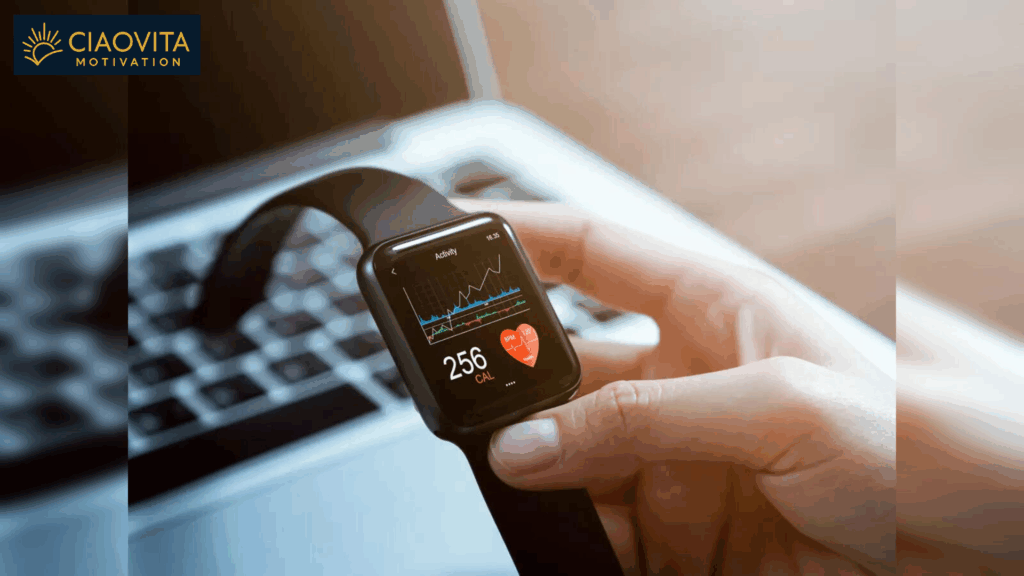
Wearable Technology: What Actually Works for Weight Loss?
The Truth About Your Fitness Tracker Might Surprise You
Wearable technology has transformed how millions approach weight management and fitness tracking. Smartwatches and fitness bands promise accurate monitoring of steps, calories, heart rate and activity levels. But do these devices actually deliver measurable weight loss results? Recent umbrella reviews and meta-analyses analyzing nearly 164,000 participants provide definitive answers. The evidence reveals both impressive capabilities and surprising limitations that every user should understand.
The global wearable device market exploded over the past decade. Consumers spent billions on gadgets that track daily movements and physiological metrics. People make dietary decisions based on calorie burn estimates displayed on tiny screens. They adjust workout intensity according to heart rate zones calculated by algorithms. The question becomes critical: how accurate are these measurements, and do they translate into actual weight loss?
Researchers conducted systematic reviews of systematic reviews, the highest level of scientific evidence available. These umbrella studies synthesized data from dozens of individual trials. The findings paint a nuanced picture. Wearable technology demonstrates moderate effectiveness for weight management when used correctly. However, significant accuracy variations exist between different metrics and devices. Understanding these differences helps users maximize benefits while avoiding common pitfalls.
The Science Behind Wearable Technology Effectiveness
Umbrella reviews represent the gold standard for evaluating scientific evidence. A landmark study published in The Lancet Digital Health examined 39 systematic reviews and meta-analyses. This comprehensive analysis included data from 163,992 participants spanning all age groups and populations. Researchers compared wearable technology interventions against standard care or alternative approaches.
The results showed moderate weight loss effects across studies. Participants using wearable devices lost approximately 1 kilogram on average compared to control groups. BMI decreased by 0.5 points. Waist circumference reduced by 1.5 centimeters. While these numbers might seem modest, they represent meaningful improvements for cardiovascular health and metabolic function.
A separate meta-regression analysis published in the International Journal of Nursing Studies examined lifestyle interventions delivered through wearable technology. This study searched 10 electronic databases and included only randomized controlled trials with participants aged 18-64 years who had overweight or obesity. The meta-regression revealed fascinating patterns about what makes interventions successful.
Three factors emerged as significant predictors of weight loss effectiveness. First, publication year mattered—more recent studies showed better results as technology improved. Second, participant age influenced outcomes, younger individuals experienced greater weight loss. Third, intervention duration proved critical, longer programs produced significantly better results. The analysis suggested each additional week of intervention corresponded to meaningful additional weight reduction.
A meta-analysis of 19 randomized controlled trials found that wearable technology as a physical activity intervention achieved moderate effect sizes on body weight and waist circumference. The study revealed large effect sizes on BMI. Subgroup analyses confirmed wearable devices worked more efficiently for weight control in individuals with obesity and chronic diseases compared to those without these conditions.
Understanding Measurement Accuracy Variations
Not all metrics perform equally well. Step counting emerged as the most accurate measurement category across wearable technology devices. Studies testing the Fitbit Charge and Fitbit Charge HR across 20 different trials found mean absolute percentage errors below 25% in most conditions. This translates to solid everyday accuracy for tracking daily movement.
The Apple Watch also demonstrated good step counting performance. Mean differences between device counts and manual counting ranged from -47 to +39 steps. Considering most people take several thousand steps daily, these errors represent less than 1% deviation. However, variables affected accuracy. Walking speed influenced results. Treadmill walking showed better accuracy than variable outdoor activities. Hand positions mattered too, pushing shopping carts, holding phones or gripping dog leashes all reduced precision.
Heart rate monitoring presented more technical challenges than step counting. The Apple Watch emerged as the clear leader with mean absolute percentage errors below 10% across multiple studies. This level approaches clinical-grade monitors for most practical purposes. The Fitbit Charge HR showed more variable performance with errors ranging from 2.4% to 17% depending on conditions.
Several factors influenced heart rate accuracy:
- Exercise intensity: devices performed better during rest and light activity
- Skin tone: darker skin absorbed more light, making measurements harder
- Wrist placement: too loose or too tight both reduced accuracy
- Movement artifacts: vigorous exercise created more errors
Energy expenditure measurement failed universally across all tested devices. No brand achieved acceptable accuracy for this critical metric. Mean absolute percentage errors exceeded 30% for every device tested. Many showed errors above 50%. The Fitbit Charge displayed errors from -4.5% to +75%. The Apple Watch ranged from 15% to 211% error.
Why Calorie Estimates Miss the Mark
Energy expenditure calculation requires complex algorithms accounting for multiple variables. Body weight, age, gender, fitness level, exercise type and intensity all influence caloric burn. Wrist-worn devices lack information about leg movement during many activities. They cannot directly measure oxygen consumption, the gold standard for energy expenditure. Instead, they make educated guesses based on movement patterns and heart rate.
These guesses often miss significantly. Imagine your tracker reports 500 calories burned during a workout. You eat an extra snack to compensate. But you actually burned only 300 calories. That 200-calorie discrepancy adds up quickly. Over one week, that equals 1,400 extra calories. Over one month, that reaches 6,000 calories, nearly two pounds of potential weight gain based on faulty data.
The implications for weight management become clear. People relying on calorie burn estimates to make dietary decisions might unknowingly create energy surpluses. The devices work well for general activity tracking and motivation. However, users should not make major nutritional decisions based solely on energy expenditure numbers displayed on screens.
Research published in meta-analyses confirmed these limitations extend across device types and brands. No current consumer wearable technology accurately measures calories burned. This represents the most significant gap between user expectations and device capabilities. Understanding this limitation helps people use trackers more effectively.
Optimal Use Strategies and Duration Effects
Intervention duration emerged as perhaps the most important factor for weight loss success. Studies consistently showed 12+ weeks of wearable technology use produced significantly better results than shorter programs. A systematic review focusing specifically on long-term weight management examined interventions lasting one year or longer.
This long-term study included five intervention trials plus insights from six systematic reviews. The findings revealed interesting patterns. Participants using wearable devices showed some evidence of improved physical activity and weight loss outcomes over extended periods. However, researchers identified a major challenge, separating the effect of decreasing device use over time from the actual effect of the devices on outcomes.
People tend to wear trackers enthusiastically at first. Over weeks and months, wearing compliance often decreases. Data availability studies showed Fitbit devices achieved 75-97% wearing time across different populations and durations. The GENEActiv showed 89% wearing time among dementia patients and caregivers over 28 days. The Nike FuelBand achieved 89% wearing time among people with schizophrenia over 80-133 days.
These compliance numbers suggest when people commit to wearing devices, they generally maintain the habit. However, long-term adherence remains challenging. Device design influences continued use. Common complaints included uncomfortable straps, poor aesthetics and inconvenient charging requirements. Studies found the Withings Pulse scored highest for user satisfaction while the Fitbit Flex scored lowest in direct comparisons.
Real-World Application and Practical Recommendations
Given the accuracy limitations, how should people use wearable technology effectively? First, understand what specific devices measure well. If you own a Fitbit Charge or Charge HR, trust step counts more than calorie estimates. If you wear an Apple Watch, rely on heart rate readings. Treat energy expenditure numbers as rough estimates requiring skepticism.
Second, focus on trends rather than absolute numbers. Your tracker might consistently underestimate actual calorie burn by 30%. But if Monday shows 400 calories and Friday shows 600 calories, you probably did exercise more on Friday. The relative comparison holds value even if absolute numbers mislead.
Third, do not make major dietary decisions based solely on tracker data. Avoid eating back all the calories your device claims you burned. Use the information as one input among many. Listen to your body’s hunger and satiety signals. Track actual weight changes over time. Adjust food intake based on real results, not estimated numbers displayed on screens.
Fourth, consider your specific use case. If you want a general sense of daily activity levels, most devices work fine. If you need precise measurements for medical reasons, consult healthcare providers about appropriate monitoring tools. Consumer devices serve different purposes than medical equipment. The gap between consumer and clinical-grade monitoring remains substantial.
Beyond Numbers: Psychological and Behavioral Benefits
Wearable technology offers benefits beyond raw accuracy. These devices create awareness that influences behavior independent of measurement precision. People who track activity often become more conscious of movement throughout the day. This awareness can motivate behavior changes even when underlying numbers contain errors.
The devices provide immediate feedback. Seeing your step count at 3 PM might encourage an afternoon walk. Noticing your heart rate during different activities helps you understand exercise intensity subjectively. These insights have value even if measurements include accuracy limitations. The psychological impact of self-monitoring should not be underestimated.
Social features add another dimension. Many devices allow users to connect with friends, join challenges and share achievements. This social support can boost motivation and adherence. Community aspects might matter more than measurement precision for some users. Goal-setting becomes tangible with wearable technology. Instead of vague intentions to “exercise more,” you can target 10,000 steps daily or aim for 30 minutes of elevated heart rate. Specific goals improve success rates.
Research on behavioral change suggests self-monitoring represents one of the most effective techniques for modifying habits. Wearable technology makes self-monitoring convenient and continuous. Even with accuracy limitations, the consistent feedback loop helps people recognize patterns and adjust behaviors accordingly.
Conclusion
Wearable technology for weight loss demonstrates moderate but meaningful effectiveness when used appropriately. Umbrella reviews analyzing 163,992 participants confirm devices help users lose approximately 1 kilogram, reduce BMI by 0.5 points and decrease waist circumference by 1.5 centimeters. These modest improvements translate into real health benefits over time.
Step counting works reasonably well, especially with quality devices like the Fitbit Charge or Charge HR showing errors below 25%. Heart rate monitoring performs adequately, particularly with the Apple Watch achieving near-clinical accuracy. Energy expenditure measurement fails across all devices with errors exceeding 30% universally. Users must understand these accuracy variations to maximize tracker benefits.
Duration matters more than device choice. Interventions lasting 12+ weeks produce significantly better results than shorter programs. Consistency in wearing the device trumps selecting the “perfect” tracker. Focus on trends rather than absolute numbers. Do not make major dietary decisions based solely on calorie estimates. Combine tracker information with professional guidance, personal awareness and real-world results measured on scales and with tape measures.
The key lies in using wearable technology for weight loss as one tool among many rather than as the definitive source of health information. Understanding what these devices measure well and where they fall short allows informed consumers to benefit from the technology while avoiding common pitfalls. Your fitness tracker cannot tell you everything about your health, but it certainly can help you move more, stay motivated and work toward goals when combined with evidence-based lifestyle changes.
As technology improves and research continues, future devices will likely overcome current limitations. Until then, informed consumers can still benefit from wearable technology by setting realistic expectations and using devices as motivational tools rather than precision instruments.
References
- Ferguson T, Olds T, Curtis R, Blake H, Crozier AJ, Dankiw K, et al. Effectiveness of wearable activity trackers to increase physical activity and improve health: a systematic review of systematic reviews and meta-analyses. Lancet Digit Health. 2022;4(8):e615-e626.
- Longhini J, Marzaro C, Bargeri S, Palese A, Dell’Isola A, Turolla A, et al. Wearable Devices to Improve Physical Activity and Reduce Sedentary Behaviour: An Umbrella Review. Sports Med Open. 2024;10(1):9.
- Wong SH, Tan ZYA, Cheng LJ, Lau ST. Wearable technology-delivered lifestyle intervention amongst adults with overweight and obese: A systematic review and meta-regression. Int J Nurs Stud. 2022;127:1041.
- Yen HY, Chiu HL. The effectiveness of wearable technologies as physical activity interventions in weight control: a systematic review and meta-analysis of randomized controlled trials. Obes Rev. 2019;20(10):1485-93.
- Fawcett E, Van Velthoven MH, Meinert E. Long-Term Weight Management Using Wearable Technology in Overweight and Obese Adults: Systematic Review. JMIR Mhealth Uhealth. 2020;8(3):e13461.
© 2025 Alice & Marcus Guimarães. All rights reserved.This site is proudly created with WordPress.