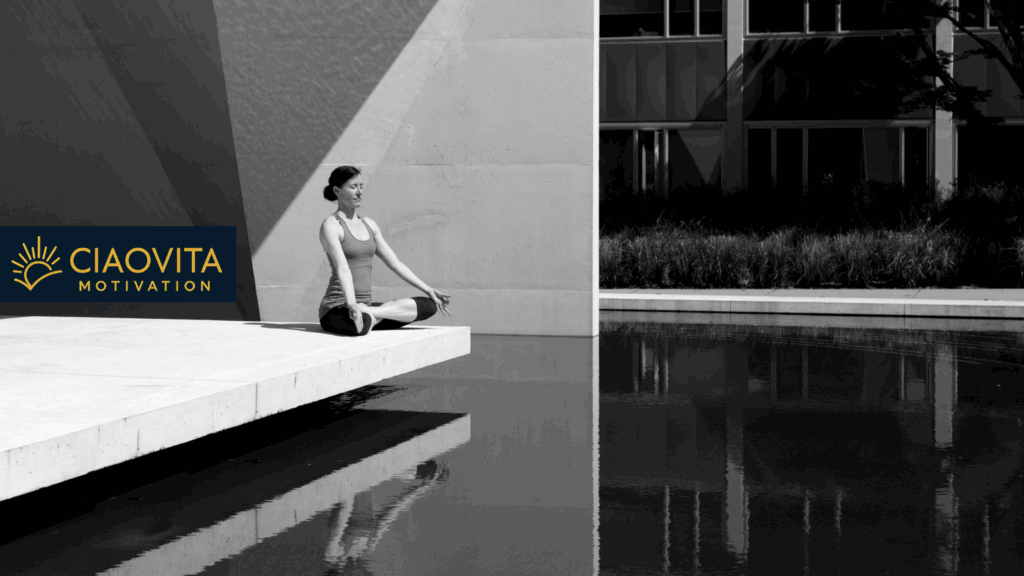
Spirituality and Healthy Aging: The Science Behind Living Longer
How Faith and Meaning Shape Our Health as We Age
The world’s population is aging rapidly. By 2050, over 2 billion people will be 60 or older, representing nearly 22% of humanity. While modern medicine extends our physical lifespan, we often overlook fundamental aspects that profoundly affect health and well-being: spirituality and religiosity. These dimensions touch every human experience, from values and morals to finding meaning in daily life. Emerging research reveals that people who engage regularly in spiritual or religious practices tend to live longer, healthier lives, even after accounting for factors like exercise, diet and socioeconomic status.
Understanding how spirituality and religiosity influence longevity requires looking beyond traditional medical frameworks. These practices encompass beliefs, rituals, meditation, prayer and community participation. They shape how we cope with stress, connect with others and find purpose. The evidence is compelling: frequent attendees of religious services show 30 to 43% increased survival rates compared to those who never attend. This benefit rivals or exceeds many medical interventions. Moreover, dimensions like purpose in life and life satisfaction reduce mortality risk by 17% and 12% respectively. Conversely, social isolation and loneliness increase mortality risk by 29% and 26%.
Defining Spirituality and Religiosity: Similar Yet Distinct
Spirituality and religiosity are related but not identical concepts. Religion typically involves organized systems of beliefs, practices and rituals connected to a transcendent reality, often called God, Allah, Brahman, Buddha or a Higher Power depending on tradition. Religious communities gather around shared scriptures, moral codes and collective worship. This provides structure, social networks and a sense of belonging. Spirituality, however, is broader and more personal. It includes the search for ultimate meaning, purpose and connection to something greater than oneself. Spiritual practices can happen inside or outside organized religion, encompassing meditation, contemplation, gratitude, compassion and finding joy in nature or art.
Both spirituality and religiosity offer pathways to manage life’s challenges, foster positive emotions and build supportive relationships. While religious attendance is the most commonly studied variable, spirituality embraces dimensions like intrinsic motivation, daily spiritual experiences and finding meaning in suffering. These overlapping yet distinct constructs make research complex but also reveal diverse ways people cultivate health and well-being throughout the aging process.
The Evidence: How Spirituality Extends Life and Enhances Health
Numerous studies link spirituality and religiosity to reduced mortality and better health outcomes. A landmark analysis of the Nurses’ Health Study involving over 74,000 women followed from 1992 to 2012 found that attending religious services once per week or more was associated with 33% lower all-cause mortality, 27% lower cardiovascular mortality and 21% lower cancer mortality compared to women who never attended services. These results persisted even after adjusting for lifestyle factors like smoking, physical activity and diet.
Religious service attendance also correlates with lower risk of death from despair, including drug overdose, alcohol abuse and suicide. Health professionals attending services once per week or more showed 68% lower risk of despair-related deaths compared to those who never attended. This protective effect likely stems from the social support, meaning and purpose that religious communities provide during difficult times.
Beyond mortality, spirituality and religiosity improve cardiovascular health. Higher religious attendance associates with achieving intermediate or ideal levels of physical activity, healthy diet, non-smoking status and controlled blood pressure. These findings come from diverse populations, including African Americans in the Jackson Heart Study. Religious coping strategies, private prayer and intrinsic religiosity predict better cardiovascular outcomes by promoting healthier behaviors and reducing chronic stress.
How Does Spirituality Protect Health? Exploring the Mechanisms
Several interconnected pathways explain how spirituality and religiosity promote longevity and well-being. First, stress reduction plays a central role. Engaging in meditation, prayer or mindfulness activates the parasympathetic nervous system, which counters the fight-or-flight stress response. This inhibits inflammation, a key driver of age-related diseases like cardiovascular disease, diabetes and cognitive decline. Studies show that meditation programs improve sleep quality, increase brain plasticity and enhance introspection, self-awareness and emotional regulation. People who meditate regularly achieve greater capacity for managing anxiety, depression and stress.
Second, social support from religious and spiritual communities provides crucial health benefits. Participation in a faith community offers larger social networks, emotional assistance and opportunities for volunteering and altruistic activities. Social integration predicts better physical and mental health, while loneliness and isolation increase mortality risk. Religious communities also facilitate the flow of health information, encourage disease screening and promote adherence to medical treatments. However, not all religious social interactions are positive. Negative interactions within faith communities can increase alcohol consumption, depressive symptoms and emotional dysfunction, highlighting the complexity of these relationships.
Third, positive coping mechanisms help individuals find meaning and purpose amid life’s challenges. Spiritual beliefs foster optimism, gratitude, compassion and hope, all linked to better psychological and physical health. Positive religious coping includes collaborative approaches with a higher power, seeking spiritual support and making benevolent religious reappraisals of difficult situations. These strategies reduce psychological distress and promote resilience. Conversely, negative religious coping, such as feeling punished by God or doubting one’s faith, associates with worse mental health outcomes.
Fourth, healthier behaviors often accompany religious and spiritual practices. Many faith traditions discourage smoking, excessive alcohol consumption, drug use and risky sexual behaviors while encouraging physical activity, balanced diets and preventive care. Religious attendance predicts higher fruit and vegetable consumption, lower alcohol intake and better adherence to chronic disease management. However, the relationship is nuanced. Some studies find higher obesity rates among religious individuals, possibly reflecting cultural norms around food and fellowship. This underscores the complexity of how spirituality influences health behaviors across different populations and traditions.
Fifth, psychological well-being improves through spiritual practices. Spirituality fosters a sense of comfort, inner peace and positive outlook on life. Religious involvement associates with lower rates of depression, anxiety and psychological distress. It also predicts higher life satisfaction, happiness and purpose in life. These mental health benefits likely stem from effective coping, social support and the meaning that spirituality provides. Interestingly, the association between spirituality and positive mental health strengthens with age, suggesting that spiritual resources become increasingly valuable as people face losses, health challenges and mortality.
Sixth, improved immune and endocrine functioning results from reduced chronic stress. By promoting mental well-being, spirituality directly influences biological systems including the sympathetic nervous system, endocrine system and immune system. Intrinsic religiosity moderates the relationship between chronic stress and inflammation, meaning that people with stronger religious commitment cope better with stress. Meditation interventions reduce blood cortisol levels, a stress hormone linked to numerous health problems. These biological changes help explain why spiritual practices translate into tangible health benefits.
Practical Applications: Integrating Spirituality into Daily Life
Understanding the science behind spirituality and health is valuable, but applying these insights in everyday life matters most. You don’t need to adopt a specific religion to benefit from spiritual practices. Start by reflecting on what gives your life meaning and purpose. This might include relationships, creative pursuits, connection with nature or service to others. Cultivate gratitude by regularly acknowledging positive aspects of your life, even during difficult times. This simple practice improves mood, reduces stress and enhances overall well-being.
Consider incorporating meditation or mindfulness into your routine. Even brief daily sessions of 10 to 15 minutes can reduce anxiety, improve focus and promote relaxation. Mindfulness-based programs teach you to observe thoughts and feelings without judgment, fostering greater self-awareness and emotional regulation. Prayer, whether religious or secular, offers similar benefits by providing a space for reflection, hope and connection.
Building and maintaining social connections is equally important. Join a community group, volunteer organization or faith community that aligns with your values. These social networks provide emotional support, practical assistance and opportunities for meaningful engagement. Strong social ties predict better health outcomes and longer life, particularly as we age.
Finally, adopt healthy behaviors that many spiritual traditions encourage. Avoid smoking and excessive alcohol consumption. Eat a balanced diet rich in fruits, vegetables and whole grains. Stay physically active through activities you enjoy. Prioritize preventive healthcare, including regular screenings and medical checkups. These lifestyle choices, combined with spiritual practices, create a holistic approach to healthy aging.
Conclusion: Embracing Spirituality for a Longer, Healthier Life
The growing global evidence linking spirituality and religiosity to longevity and healthy aging is remarkable. From reduced mortality and cardiovascular disease to better mental health and cognitive function, the benefits span multiple dimensions of well-being. These effects likely result from stress reduction, social support, positive coping, healthier behaviors, psychological well-being and improved biological functioning. While the relationship is complex and varies across individuals, cultures and traditions, the overall pattern is clear: spiritual and religious practices contribute to longer, healthier lives.
As populations age worldwide, recognizing and integrating the spiritual dimension of health becomes increasingly important. This doesn’t mean everyone must adopt organized religion. Spirituality encompasses many paths, including personal reflection, meditation, gratitude, compassion, connection with nature and finding meaning in daily life. The key is to cultivate practices that resonate with your values and provide comfort, purpose and support.
Take a moment to reflect on your own spiritual life. What gives your life meaning? How do you cope with stress and adversity? Are you connected to a supportive community? Consider exploring spiritual practices, whether through meditation, prayer, joining a group or simply spending time in nature. Small steps can lead to significant improvements in your physical and mental health, enhancing your quality of life as you age.
Ready to dive deeper into the science of healthy aging and discover more practical strategies for living your best life? Explore more articles at ciaovitamotivation.com and join our community dedicated to health, wellness and motivation.
References
- Zimmer Z, Jagger C, Chiu CT, Ofstedal MB, Rojo F, Saito Y. Spirituality, religiosity, aging and health in global perspective: A review. SSM – Population Health. 2016;2:373-381.
- Dominguez LJ, Veronese N, Barbagallo M. The link between spirituality and longevity. Aging Clinical and Experimental Research. 2024;36:32.
© 2025 Alice & Marcus Guimarães. All rights reserved.This site is proudly created with WordPress.