Your Gut Microbiome: The Hidden Key to Healthy Aging
How Simple Changes Can Help You Live Longer.
Aging is something we all experience, shaped by a complex mix of genes and environment. But did you know that trillions of microscopic organisms living inside your gut might play a starring role in how well you age? Scientists are discovering that the gut microbiome, the vast community of bacteria, fungi, and other microbes in your intestines, sits at the core of many age-related changes. It influences your immune system, metabolism, brain function, and even your risk for chronic diseases. Understanding this hidden world could unlock new strategies to stay healthier and more vibrant as the years go by.
What Is the Gut Microbiome and Why Does It Matter?
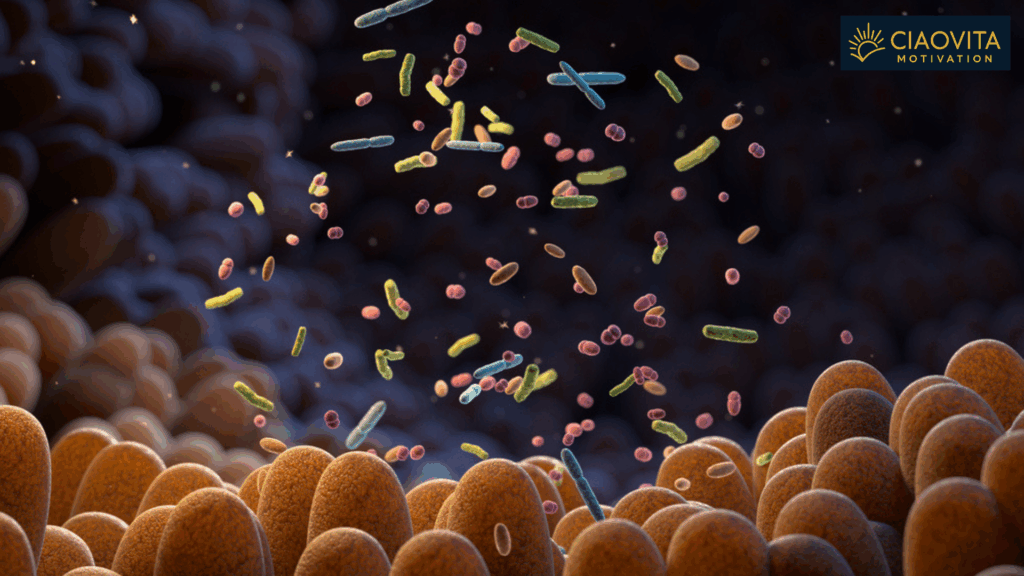
Your gut microbiome is like an invisible organ made up of trillions of microbial cells. These tiny residents help digest food, produce vitamins, train your immune system and communicate with your brain through chemical signals. When this ecosystem is balanced and diverse, you feel better, your digestion runs smoothly and your body fights off infections more effectively. But when the balance tips, harmful microbes can take over, triggering low-grade inflammation, a condition often called “inflammaging.” This chronic, simmering inflammation drives many age-related problems, from heart disease and diabetes to cognitive decline and frailty.
As you age, your microbiome naturally shifts. Older adults often have different bacterial populations than younger people. Some beneficial groups decline while others linked to inflammation increase. Yet the oldest old, centenarians who live past 100, seem to buck this trend. Their gut communities remain surprisingly rich and diverse, offering clues about what it takes to age successfully.
Centenarians Have a Unique Gut Microbiome Profile
Researchers analyzed the gut microbiota of centenarians, nonagenarians (people in their 90s) and younger adults across multiple studies. They consistently found that the oldest individuals harbor distinct microbial signatures. Centenarians tend to have higher alpha diversity, meaning their guts contain a wider variety of bacterial species. This richness suggests a flexible, resilient ecosystem capable of adapting to stress, illness, or dietary changes. High diversity is often a marker of good health, while low diversity is linked to metabolic disorders, inflammation, and frailty.
Beyond diversity, centenarians carry more of certain beneficial bacteria. One standout is Akkermansia muciniphila, a microbe that degrades mucin (a protective gel lining your gut) and helps maintain intestinal integrity. Higher levels of Akkermansia are associated with better metabolic health, lower body weight, and reduced risk of diabetes and heart disease. Centenarians also have more Christensenellaceae, a family of bacteria linked to lean body mass and lower inflammation. These microbes seem to support a balanced immune response, allowing the body to fight infections without overreacting.
At the same time, centenarians have less of some bacteria that decline with age in typical older adults. For example, Faecalibacterium prausnitzii, a key producer of butyrate (a short-chain fatty acid that nourishes gut cells and reduces inflammation), is often lower in the oldest old. Yet despite this, centenarians maintain functional pathways that produce other short-chain fatty acids and metabolites that keep inflammation in check. Their microbiomes seem to compensate, maintaining anti-inflammatory activity even as pro-inflammatory features rise slightly.
How the Microbiome Changes Across the Lifespan
To understand aging, scientists also looked at how the gut microbiome evolves from infancy to old age. In babies, diversity is low but increases rapidly after weaning. Young children have distinct bacterial profiles, often dominated by Bifidobacterium species that help digest breast milk and support early immune development. As people grow into adolescence and adulthood, diversity stabilizes. Firmicutes and Bacteroidetes become the dominant groups, with their balance shifting based on diet, lifestyle and health.
In older adults, studies found that diversity can remain stable for decades. However, environmental factors matter. Community-dwelling older adults who eat varied diets and stay active tend to have more diverse microbiomes than those in long-term care facilities. Institutional settings, limited diets and frequent medication use (especially antibiotics) can reduce microbial richness. Interestingly, older adults in longevity hotspots, rural areas where people live exceptionally long lives, often have distinct gut profiles enriched in beneficial Lactobacillus species and other health-promoting microbes.
The Role of Diet in Shaping Your Gut Ecosystem
What you eat profoundly influences your gut microbiome. Diets rich in fiber, whole grains, fruits, vegetables and fermented foods feed beneficial bacteria. These microbes break down dietary fiber into short-chain fatty acids like butyrate, acetate and propionate. These fatty acids nourish your gut lining, reduce inflammation and support immune function. Centenarians often maintain good appetites and eat regular, balanced meals, which may explain their healthier microbial communities.
On the flip side, diets high in saturated fats, processed foods and sugar can shift the balance toward harmful microbes. These changes reduce diversity and increase inflammation. Older adults sometimes eat less due to loss of appetite, dental problems or decreased taste. This can lead to nutrient deficiencies and less diverse microbiomes. Maintaining a varied, nutrient-rich diet throughout life supports the right gut bugs.
Fermented foods like yogurt, kefir, sauerkraut and kimchi introduce beneficial bacteria directly into your system. While these probiotics may not colonize permanently, they can temporarily boost microbial diversity and metabolic activity. Resistant starches found in foods like green bananas, oats and cooked then cooled potatoes also feed good bacteria, promoting short-chain fatty acid production.
Gut Microbes and Your Brain: The Gut-Brain Axis
Your gut and brain are in constant communication through a network called the gut-brain axis. Gut bacteria produce neurotransmitters and metabolites that influence mood, cognition and behavior. Studies show that older adults with more diverse microbiomes perform better on cognitive tests, including memory, processing speed and executive function. Higher levels of Verrucomicrobia (which includes Akkermansia) and Firmicutes are linked to better brain health, while higher Proteobacteria and Bacteroidetes are sometimes associated with poorer cognitive performance.
Lower diversity is also connected to slower reaction times and worse verbal fluency. These findings suggest that maintaining a healthy gut ecosystem might help protect your brain as you age. While we still have much to learn, it’s clear that what happens in your gut doesn’t stay in your gut.
Practical Steps to Support Your Gut Microbiome for Healthy Aging
You don’t need to be a scientist to start nurturing your gut microbiome today. Here are some simple, evidence-based strategies:
Eat a Rainbow of Plants: Aim for a wide variety of fruits, vegetables, legumes, nuts and whole grains. Each plant food feeds different bacteria, boosting diversity.
Include Fermented Foods: Add yogurt, kefir, sauerkraut, kimchi or miso to your meals a few times a week. These foods deliver live beneficial bacteria.
Choose Fiber-Rich Foods: Beans, lentils, oats, barley and vegetables provide the fuel your gut microbes need to produce anti-inflammatory compounds.
Limit Processed Foods and Added Sugars: These can promote harmful bacteria and reduce diversity. Focus on whole, minimally processed foods.
Stay Active: Regular physical activity supports microbial diversity. Even moderate exercise like walking, swimming or gardening makes a difference.
Manage Stress: Chronic stress can disrupt your gut ecosystem. Practices like meditation, deep breathing or yoga help maintain balance.
Use Antibiotics Wisely: While sometimes necessary, antibiotics can wipe out beneficial bacteria. Always follow your doctor’s advice and consider probiotic support afterward.
Consider Probiotic Supplements Carefully: Some studies show that probiotics can increase beneficial bacteria like Bifidobacterium and Lactobacillus in older adults. However, results vary by strain and individual. Consult a healthcare provider before starting supplements.
The Promise of Microbiome-Based Interventions
Scientists are exploring targeted interventions to reshape the gut microbiome and improve healthy aging. Some studies tested probiotic supplements containing Bifidobacterium or Lactobacillus strains in older adults. Results showed modest increases in beneficial bacteria and some improvements in inflammation markers, though not dramatic changes in overall diversity. Combining probiotics with dietary changes or prebiotics (non-digestible fibers that feed good bacteria) might be more effective than either alone.
One study examined pectin supplementation, a type of prebiotic fiber. While it didn’t significantly alter bacterial composition or short-chain fatty acid levels in healthy older adults, this suggests that not all interventions work for everyone. Personalized approaches based on individual microbiome profiles may be the future.
Another promising area is fecal microbiota transplantation, where healthy donor stool is transferred to a recipient to restore microbial balance. While mostly used for severe infections like Clostridioides difficile, researchers are investigating its potential for age-related conditions. However, this remains experimental and is not yet a standard treatment.
Genetics, Environment, and the Microbiome
Your genes influence your gut microbiome to some extent. Twin studies show that certain bacteria, like Christensenellaceae, are more heritable than others. This means some people may naturally have microbiomes that support longevity. However, environment and lifestyle play equally important, if not larger, roles. Diet, physical activity, medications, stress and where you live all shape your microbial community.
Centenarians often live in areas with strong social connections, active lifestyles and traditional diets rich in plant foods. These factors combined create an environment where beneficial microbes thrive. You can’t change your genes, but you can change your habits to support a healthier gut.
Wrapping It Up: Your Gut, Your Future
The trillions of bacteria in your gut are far more than passive passengers. They actively shape your health, influencing everything from your immune system to your brain. Centenarians teach us that a diverse, balanced gut microbiome is a hallmark of successful aging. While genetics matter, your daily choices, what you eat, how you move, and how you manage stress, can powerfully shape your inner ecosystem.
Start today by adding more plant-based foods to your plate, staying physically active, and being mindful of antibiotics and stress. Small, consistent changes can nurture the right bacteria and support your journey toward a longer, healthier life. Your gut holds secrets to vitality and longevity. Listen to it, feed it well, and it will take care of you in return.
Reference
- Badal, V. D., Vaccariello, E. D., Murray, E. R., Yu, K. E., Knight, R., Jeste, D. V., & Nguyen, T. T. (2020). The gut microbiome, aging, and longevity: A systematic review. Nutrients, 12(12), 3759.
- Kadyan S, Park G, Singh TP, Patoine C, Singar S, Heise T, et al. Microbiome-based therapeutics towards healthier aging and longevity. Genome Medicine. 2025;17:75.
© 2025 Alice & Marcus Guimarães. All rights reserved.This site is proudly created with WordPress.