How Diet Shapes Healthy Aging
The Science Behind Calorie Restriction, Fasting and More. Evidence-Based Nutrition Strategies to Live Longer and Healthier
The idea that we can influence how we age through what we eat is no longer wishful thinking. Over the past few decades, researchers have uncovered powerful connections between diet and longevity. Four dietary approaches stand out for their science-backed benefits: calorie restriction, intermittent fasting, the Mediterranean diet, and the ketogenic diet. Each works through different but overlapping mechanisms to support healthy aging, reduce inflammation, improve metabolism and protect against chronic diseases.
Understanding these pathways helps you make informed choices about your own nutrition. Let’s break down the science in simple terms and explore how these diets work at the cellular level to promote a longer, healthier life.
What Is Healthy Aging and Why Does Diet Matter?
Healthy aging means maintaining physical and mental function as you get older, ideally free from chronic diseases like heart disease, diabetes or dementia. While genetics play a role, lifestyle factors, especially diet, are increasingly recognized as powerful modulators of the aging process.
Your body is constantly balancing growth, repair, and energy use. When this balance tips toward chronic inflammation, oxidative stress, or metabolic dysfunction, aging accelerates and disease risk rises. The good news is that certain dietary patterns can shift this balance back toward health by influencing key molecular pathways.
The Core Pathways: mTOR, AMPK, and Insulin Signaling
Before diving into specific diets, it helps to understand three major cellular pathways that regulate aging:
mTOR (mechanistic target of rapamycin): This pathway promotes cell growth and protein synthesis when nutrients are abundant. However, overactive mTOR is linked to aging and age-related diseases. Reducing mTOR activity through diet can enhance autophagy, the process by which cells clean out damaged components and recycle them for energy.
AMPK (AMP-activated protein kinase): Think of AMPK as your body’s energy sensor. When energy is low, AMPK switches on to boost fat burning, improve insulin sensitivity, and activate autophagy. Calorie restriction and fasting activate AMPK, which helps protect against metabolic diseases.
Insulin signaling: Elevated insulin levels drive fat storage and inflammation. Diets that improve insulin sensitivity help stabilize blood sugar, reduce inflammation, and lower the risk of diabetes and cardiovascular disease.
All four dietary approaches—calorie restriction, intermittent fasting, the Mediterranean diet, and the ketogenic diet—modulate these pathways in different but complementary ways.
Calorie Restriction: Less Is More
Calorie restriction means eating fewer calories than usual without malnutrition. Studies in animals and humans show that calorie restriction extends lifespan, delays chronic diseases and improves markers of aging such as inflammation and oxidative stress.
How does it work? Calorie restriction lowers mTOR activity, activates AMPK and improves insulin sensitivity. It also reduces the production of inflammatory molecules and oxidative stress markers like F2-isoprostanes. In one major human trial called CALERIE, participants who cut calories by 25% for two years showed slower biological aging based on blood biomarkers, along with improved cholesterol, blood pressure, and insulin sensitivity.
Calorie restriction also enhances autophagy, helping cells remove damaged proteins and organelles. This cellular housekeeping is crucial for maintaining function as you age. Additionally, calorie restriction affects gut microbiota, promoting the growth of beneficial bacteria that produce short-chain fatty acids, which have anti-inflammatory effects.
However, calorie restriction requires careful planning to avoid nutrient deficiencies and it can be challenging to sustain long-term. That’s where intermittent fasting offers an alternative.
Intermittent Fasting: Timing Matters
Intermittent fasting involves cycling between periods of eating and fasting. Common approaches include alternate-day fasting, where you eat every other day or time-restricted eating, where you limit eating to a specific window each day (for example, eating only between noon and 8 PM).
Like calorie restriction, intermittent fasting activates AMPK and reduces mTOR activity. It improves insulin sensitivity even more dramatically than continuous calorie restriction because the extended fasting periods force your body to switch from burning glucose to burning fat. This metabolic switch enhances cellular stress resistance pathways, including those involving heat shock proteins and sirtuins, which protect cells from damage.
Research shows that intermittent fasting lowers markers of inflammation, reduces oxidative stress and improves cardiovascular health. In one study, participants practicing alternate-day fasting for four weeks saw improvements in body composition, blood pressure and cholesterol, along with a significant reduction in cardiovascular risk scores.
Intermittent fasting also depletes methionine, an amino acid that, when elevated, is linked to aging. By reducing methionine intake, fasting may slow the aging process. Additionally, fasting increases secretion of parathyroid hormone and lowers levels of sICAM-1, a biomarker associated with age-related diseases.
Mediterranean Diet: A Whole-Food Approach
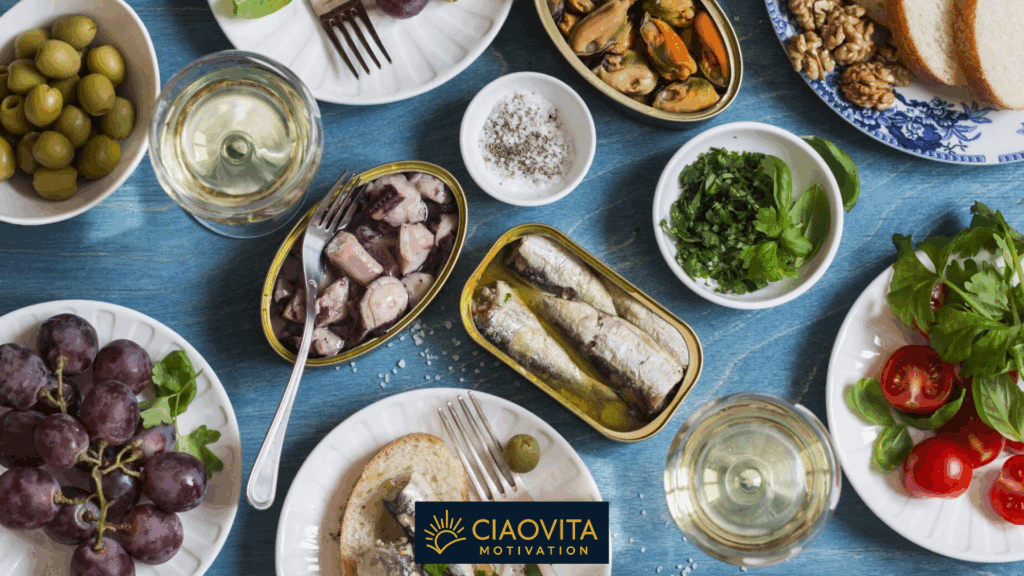
The Mediterranean diet emphasizes vegetables, fruits, whole grains, legumes, nuts, fish, and extra virgin olive oil. It includes moderate amounts of red wine and limits red meat and processed foods. This dietary pattern is one of the most studied for its health benefits and is consistently linked to lower risks of heart disease, diabetes, cancer and cognitive decline.
Unlike calorie restriction or fasting, the Mediterranean diet doesn’t focus on eating less or timing meals. Instead, it emphasizes nutrient-dense, high-quality foods rich in fiber, healthy fats, antioxidants, and polyphenols.
How it works: The Mediterranean diet improves insulin sensitivity, reduces inflammation and enhances endothelial function, which is the ability of blood vessels to dilate and maintain healthy blood flow. Extra virgin olive oil, a cornerstone of the diet, contains polyphenols like hydroxytyrosol and oleuropein that reduce oxidative stress, lower LDL cholesterol oxidation and inhibit inflammatory pathways.
Omega-3 fatty acids from fish activate PPAR-gamma, a receptor that reduces inflammation and improves fat metabolism. Fiber from whole grains, legumes and vegetables feeds beneficial gut bacteria that produce short-chain fatty acids, which lower cholesterol synthesis, reduce inflammation and improve glucose control.
In clinical trials, the Mediterranean diet improved flow-mediated dilation (a measure of blood vessel health), reduced inflammatory markers like C-reactive protein and increased adiponectin, a hormone that enhances insulin sensitivity. One study in older adults showed that higher adherence to the Mediterranean diet improved global cognition and episodic memory over one year.
The diet also promotes favorable changes in the gut microbiome, increasing the abundance of bacteria like Faecalibacterium prausnitzii, which produce anti-inflammatory compounds. This microbiome shift is associated with lower frailty and better cognitive function in older adults.
Ketogenic Diet: Fat as Fuel
The ketogenic diet is a high-fat, very-low-carbohydrate diet that forces the body to burn fat for fuel instead of glucose. This metabolic state, called ketosis, produces ketone bodies that provide an alternative energy source for the brain and other tissues.
How it works: By drastically reducing carbohydrate intake, the ketogenic diet lowers insulin and glucose levels, which decreases mTOR activity and promotes autophagy. Ketone bodies themselves have neuroprotective effects, enhancing mitochondrial function and reducing oxidative stress and inflammation.
Studies in mice show that the ketogenic diet extends lifespan, reduces mid-life mortality, and maintains cognitive function during aging. It works partly by activating AMPK and inhibiting histone deacetylases, enzymes that regulate gene expression and are linked to aging.
In humans, the ketogenic diet has been shown to reduce triglycerides, increase HDL cholesterol and promote weight loss. However, it can also raise LDL cholesterol in some people, which may increase cardiovascular risk. Additionally, the diet can be difficult to maintain long-term due to its restrictive nature and potential side effects like reduced fiber intake and gastrointestinal issues.
The ketogenic diet may be particularly beneficial for certain conditions like epilepsy, Alzheimer’s disease and Parkinson’s disease, where ketone bodies provide neuroprotection. However, more research is needed to clarify its long-term effects on aging and cardiovascular health in the general population.
Common Mechanisms Across All Four Diets
Despite their differences, calorie restriction, intermittent fasting, the Mediterranean diet and the ketogenic diet share several common mechanisms that promote healthy aging:
Reduced inflammation: All four approaches lower inflammatory markers like TNF-alpha, IL-6 and C-reactive protein. Chronic inflammation drives many age-related diseases, so reducing it is key to healthy aging.
Improved insulin sensitivity: Each diet improves how your body responds to insulin, stabilizing blood sugar and reducing the risk of diabetes and metabolic syndrome.
Enhanced autophagy: Calorie restriction, fasting and the ketogenic diet all activate autophagy, the cellular recycling process that removes damaged proteins and organelles. This keeps cells functioning optimally as you age.
Oxidative stress reduction: These diets increase antioxidant defenses and reduce the production of harmful free radicals, protecting cells from damage.
Better mitochondrial function: Mitochondria are the powerhouses of your cells. These diets improve mitochondrial efficiency, which enhances energy production and reduces oxidative damage.
Favorable gut microbiome changes: All four diets promote the growth of beneficial gut bacteria that produce anti-inflammatory compounds and support metabolic health.
Epigenetics and Aging: How Diet Influences Gene Expression
Beyond these well-established pathways, emerging research shows that diet can influence aging through epigenetic mechanisms, changes in gene expression that don’t alter the underlying DNA sequence.
For example, the Mediterranean diet has been shown to reduce DNA methylation age, a biomarker of biological aging. In one study, older adults who followed a Mediterranean-style diet for one year showed significant rejuvenation effects, with their biological age decreasing by about 1.5 years.
Polyphenols from olive oil, resveratrol from red wine and other dietary compounds can modify histone proteins and influence gene expression related to inflammation, oxidative stress and autophagy. These epigenetic changes may help explain the long-term health benefits of these diets.
Practical Takeaways: Which Diet Is Right for You?
Each of these dietary approaches has strong scientific support, but the best choice depends on your individual goals, preferences and health status.
Calorie restriction is effective but challenging to sustain. It’s best suited for people who can carefully plan meals to avoid nutrient deficiencies.
Intermittent fasting offers similar benefits with more flexibility. It’s a good option if you prefer not to count calories and can adapt to eating within a restricted time window.
The Mediterranean diet is the most sustainable and well-rounded option for most people. It emphasizes whole foods, is easy to follow and has extensive evidence supporting its benefits for heart health, brain health and longevity.
The ketogenic diet can be effective for weight loss and certain neurological conditions, but it requires careful monitoring and may not be suitable for everyone, especially long-term.
Whichever approach you choose, the key is consistency. Small, sustainable changes—like adding more vegetables, choosing whole grains over refined carbs, incorporating healthy fats, or experimenting with time-restricted eating—can make a big difference over time.
Conclusion: Diet Is a Powerful Tool for Healthy Aging
The evidence is clear: what you eat and when you eat can profoundly influence how you age. Calorie restriction, intermittent fasting, the Mediterranean diet, and the ketogenic diet all activate powerful cellular pathways that reduce inflammation, improve metabolism, and protect against chronic diseases. By understanding these mechanisms, you can make informed choices that support a longer, healthier life.
Start by experimenting with one approach that fits your lifestyle. Whether it’s adding more olive oil and vegetables, trying a 16-8 fasting schedule, or simply eating less processed food, every positive change counts. The science is on your side—use it to take control of your aging process.
References
- Surugiu, R., Iancu, M.A., Vintilescu, S.B., Stepan, M.D., Burdusel, D., Genunche-Dumitrescu, A.V., Dogaru, C.-A., & Dumitra, G.G. (2024). Molecular Mechanisms of Healthy Aging: The Role of Caloric Restriction, Intermittent Fasting, Mediterranean Diet, and Ketogenic Diet—A Scoping Review. Nutrients, 16, 2878.
- Schwingshackl, L., Morze, J., & Hoffmann, G. (2020). Mediterranean diet and health status: Active ingredients and pharmacological mechanisms. British Journal of Pharmacology, 177, 1241–1257.
© 2025 Alice & Marcus Guimarães. All rights reserved.This site is proudly created with WordPress.