Artificial Sweeteners and Your Gut Health: The Hidden Truth
How Sugar Substitutes Reshape Your Microbiome and Metabolic Function
Artificial sweeteners have become a staple in modern diets, promising the sweetness of sugar without the calories. Over 140 million Americans regularly consume these sugar substitutes, seeking to manage weight, control diabetes or simply reduce sugar intake. Products containing sucralose, aspartame, saccharin and stevia line grocery store shelves, marketed as healthier alternatives to traditional sugar. However, emerging research reveals a complex relationship between these non-nutritive sweeteners and your gut health. Recent scientific investigations demonstrate that artificial sweeteners significantly impact the trillions of bacteria living in your digestive system, potentially affecting metabolic function, immune response and overall wellness. Understanding how these sugar substitutes interact with your microbiome becomes essential for making informed dietary choices that support long-term health.
Understanding Your Gut Microbiome
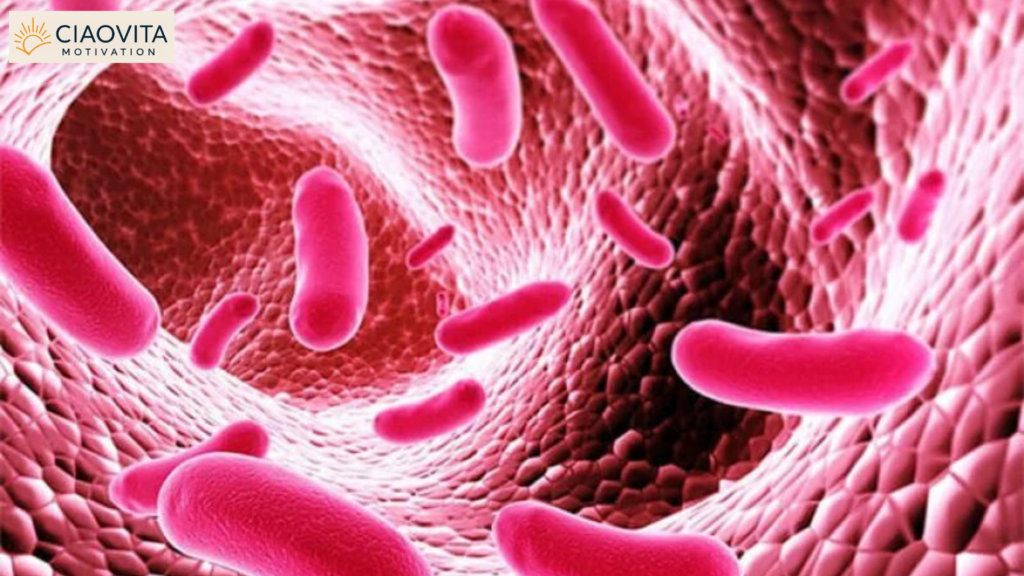
The human gut microbiome represents a complex ecosystem of microorganisms that plays crucial roles in maintaining health. Your digestive system houses approximately 100 trillion bacteria from over 1,000 different species, creating a dynamic environment that influences digestion, immune function and metabolic processes. These bacterial communities work together to break down food, produce essential nutrients and protect against harmful pathogens. Beneficial bacteria like Bifidobacterium and Lactobacillus support immune function and help maintain the intestinal barrier that prevents toxins from entering your bloodstream. When this bacterial balance gets disrupted, a condition called dysbiosis occurs, potentially leading to inflammation, metabolic problems and various health complications. Research published in Microorganisms journal demonstrates that dietary choices profoundly influence gut bacteria composition. The foods and beverages you consume daily either nourish beneficial microbes or promote harmful bacterial growth. Artificial sweeteners represent one dietary factor that scientists have found significantly alters this delicate microbial balance, often in unexpected ways that may undermine the very health goals they’re meant to support.
How Artificial Sweeteners Change Gut Bacteria
Scientific evidence demonstrates that artificial sweeteners actively modify gut microbiota composition and function. A comprehensive 2025 review published in the Journal of the Science of Food and Agriculture examining multiple studies found that non-nutritive sweeteners consistently alter bacterial populations in the digestive system. Animal research shows particularly dramatic effects, with some sweeteners reducing beneficial bacteria populations by 30-40% within weeks of regular consumption. Specific bacterial changes include decreased abundance of Bifidobacterium and Lactobacillus species, which are essential for digestive health and immune function. Simultaneously, populations of potentially harmful bacteria like Escherichia coli and Clostridium difficile increase under sweetener exposure. These shifts create an environment that promotes inflammation rather than supporting the anti-inflammatory state that healthy gut bacteria normally maintain. The mechanism behind these changes involves direct bacterial exposure to sweeteners in the digestive tract. Unlike sugar that gets absorbed in the small intestine, artificial sweeteners travel further through the digestive system, where they encounter and interact with intestinal bacteria. Some bacteria can metabolize certain sweeteners, while others find these compounds inhibit their growth. Research published in 2025 found that different sweeteners produce distinct effects on the microbiome. Sucralose, one of the most widely used artificial sweeteners, demonstrates particularly strong bacteriostatic properties that preferentially suppress beneficial bacterial strains. This selective pressure reshapes the entire microbial ecosystem over time, reducing overall bacterial diversity and altering metabolic capabilities of the gut microbiome.
Metabolic Consequences of Microbiome Disruption
The bacterial changes caused by artificial sweeteners extend beyond the gut, affecting whole-body metabolism. When beneficial bacteria populations decline, production of short-chain fatty acids decreases significantly. SCFAs represent critical metabolic compounds that gut bacteria produce through fiber fermentation. These molecules, particularly butyrate, propionate and acetate, regulate inflammation, support intestinal barrier integrity and influence insulin sensitivity. Studies examining metabolic syndrome risk have identified connections between reduced SCFA production and insulin resistance. When artificial sweeteners disrupt the bacteria responsible for SCFA production, glucose metabolism becomes impaired. Research demonstrates this can lead to elevated blood sugar levels despite consuming zero-calorie sweeteners intended to help control glycemia. The paradox of using artificial sweeteners for weight management while potentially promoting metabolic dysfunction highlights the complexity of these substances. Human clinical trials show mixed results, with some participants experiencing glucose intolerance after regular sweetener consumption while others show minimal metabolic changes. Individual variation in gut microbiome composition explains much of this difference. People with diverse, healthy bacterial populations may withstand sweetener effects better than those with already compromised microbiomes. The gut-brain axis adds another dimension to metabolic effects. Artificial sweeteners can alter neural reward pathways and satiety signaling, potentially increasing appetite and food consumption despite their lack of calories. This disruption may counteract weight management efforts and promote rather than prevent obesity.
Comparing Different Types of Sweeteners
Not all artificial sweeteners produce identical effects on gut health. Recent research published in Frontiers in Microbiology examining five common sweeteners revealed important differences between synthetic and natural options. Synthetic sweeteners like sucralose, saccharin and acesulfame K demonstrate stronger disruptive effects on gut microbiota compared to natural alternatives. A 2025 study using minibioreactor arrays found that sucralose significantly reduced bacterial diversity while promoting growth of Enterobacteriaceae family members, which include many potential pathogens. Saccharin showed similar effects, decreasing beneficial bacteria populations and altering metabolic pathways in the gut microbiome. These synthetic compounds appear to have direct antimicrobial properties that preferentially affect certain bacterial species. Natural sweeteners like stevia and xylitol produced markedly different results in the same research. These plant-derived compounds actually increased bacterial diversity in some studies. Stevia demonstrated potential prebiotic effects, promoting growth of beneficial bacteria like Lactobacillus rather than suppressing them. Xylitol, a sugar alcohol naturally found in some fruits, showed neutral to slightly positive effects on microbiome composition. The chemical structure of sweeteners influences their interaction with gut bacteria. Sucralose contains chlorine atoms that replace hydroxyl groups in the sugar molecule, creating a compound that bacteria recognize as foreign. This chlorinated structure may explain the strong antimicrobial effects observed in research. Aspartame presents a unique case because it breaks down into amino acids and methanol in the digestive tract rather than remaining intact like other sweeteners. Studies found that aspartame consumption enriched specific metabolic pathways in gut bacteria, including production of cylindrospermopsin, a bacterial toxin. This finding raises concerns about potential negative health effects beyond simple microbiome disruption.
Duration and Intensity of Effects
The timeline for sweetener-induced microbiome changes varies based on dosage, frequency and individual factors. Research demonstrates that bacterial alterations can begin appearing within two weeks of regular artificial sweetener consumption. However, the magnitude of these changes depends on consumption levels and baseline microbiome status. Studies using doses at or below acceptable daily intake levels still produced measurable effects in some participants. A 2022 randomized controlled trial examined 120 healthy adults who consumed saccharin, sucralose, aspartame or stevia for two weeks. Researchers found personalized responses to sweeteners, with some individuals showing pronounced microbiome alterations and glucose intolerance while others exhibited minimal changes. The gut microbiome composition before sweetener exposure predicted who would experience negative metabolic effects. Long-term consequences of chronic sweetener consumption remain less understood. Most human studies examine effects over weeks to months, while metabolic diseases like type 2 diabetes and obesity develop over years of exposure. Animal research suggests that prolonged sweetener consumption can lead to persistent microbiome changes that don’t immediately reverse when sweetener use stops. Cessation of artificial sweetener intake allows partial recovery of gut microbiome composition. Studies show that beneficial bacteria populations can rebound when sweeteners are eliminated from the diet, though complete restoration to pre-exposure states may not occur. The duration required for microbiome recovery depends on the severity of disruption and individual capacity for bacterial regeneration.
Clinical Implications and Health Recommendations
The scientific evidence regarding artificial sweeteners and gut health creates complex considerations for dietary recommendations. While these substances effectively reduce calorie intake from beverages and foods, their effects on the microbiome may undermine intended health benefits. Healthcare providers increasingly recognize the need for nuanced guidance rather than blanket recommendations about sweetener use. For individuals with healthy metabolic function and diverse gut microbiomes, moderate artificial sweetener consumption may pose minimal risk. However, people with existing metabolic conditions, compromised gut health or family history of diabetes should approach these substances with greater caution. The Mediterranean diet approach of emphasizing whole foods and limiting processed products naturally reduces both sugar and artificial sweetener consumption. When choosing to use sweeteners, evidence suggests natural options like stevia offer better microbiome compatibility than synthetic compounds. However, even natural sweeteners should be consumed in moderation as part of a diet rich in prebiotic fibers that support beneficial bacteria growth. Foods like vegetables, legumes, whole grains and fruits provide nourishment for healthy gut microbes. Probiotic supplementation may help counteract negative effects of artificial sweeteners in people who continue using these products. Consuming fermented foods like yogurt, kefir and sauerkraut introduces beneficial bacteria that can help maintain microbiome diversity despite sweetener exposure. Future research needs to establish clearer guidelines for safe artificial sweetener use. Long-term studies examining various sweeteners at realistic consumption levels will provide better understanding of health impacts. Personalized nutrition approaches that consider individual microbiome composition may eventually allow tailored recommendations about which sweeteners suit specific people best.
Conclusion
Artificial sweeteners represent far more than inert sugar substitutes. Scientific research reveals these compounds actively interact with gut microbiota, producing effects that extend throughout the body to influence metabolic health, immune function and disease risk. While offering zero calories, sweeteners may exact a different biological cost through microbiome disruption. The evidence demonstrates clear differences between sweetener types, with synthetic compounds like sucralose and saccharin showing stronger negative effects than natural alternatives like stevia. Individual responses vary based on existing gut health, making personalized approaches important for optimal outcomes. As research continues revealing the intimate connections between gut bacteria and overall health, dietary choices that support microbiome wellness become increasingly important. Whether managing weight, controlling blood sugar or simply pursuing better health, understanding how artificial sweeteners affect your gut bacteria empowers more informed nutritional decisions. For many people, gradually reducing sweetener dependence while increasing consumption of whole, minimally processed foods may offer the best path to both metabolic health and microbiome balance. The sweet spot lies not in finding perfect sugar substitutes, but in reshaping taste preferences and dietary patterns to support the beneficial bacteria that form the foundation of wellness.
References
- Sun L, Wang Y, Song Y, Cheng X, Xia S, Rahman MD, et al. A critical review on effects of artificial sweeteners on gut microbiota and gastrointestinal health. J Sci Food Agric. 2025;105(5):2737-47.
- Kidangathazhe A, Amponsah T, Maji A, Adams S, Chettoor M, Wang X, et al. Synthetic vs. non-synthetic sweeteners: their differential effects on gut microbiome diversity and function. Front Microbiol. 2025;16:1531.
- García-Montero C, Fraile-Martínez O, Gómez-Lahoz AM, Pekarek L, Castellanos AJ, Noguerales-Fraguas F, et al. Artificial Sweeteners: A Double-Edged Sword for Gut Microbiome. Microorganisms. 2025;13(4):115.
- Mathur R, Barlow GM, Barlow JT, Sanchez M, Kim G, Sedighi R, et al. Consuming artificial sweeteners may alter the structure and function of duodenal microbial communities. iScience. 2023;26(12):1085.
- Suez J, Cohen Y, Valdés-Mas R, Mor U, Dori-Bachash M, Federici S, et al. Personalized microbiome-driven effects of non-nutritive sweeteners on human glucose tolerance. Cell. 2022;185(18):3307-28.
- Ruiz-Ojeda FJ, Plaza-Díaz J, Sáez-Lara MJ, Gil A. Effects of sweeteners on the gut microbiota: a review of experimental studies and clinical trials. Adv Nutr. 2019;10(Suppl 1):S31-S48.
© 2025 Alice & Marcus Guimarães. All rights reserved.This site is proudly created with WordPress.