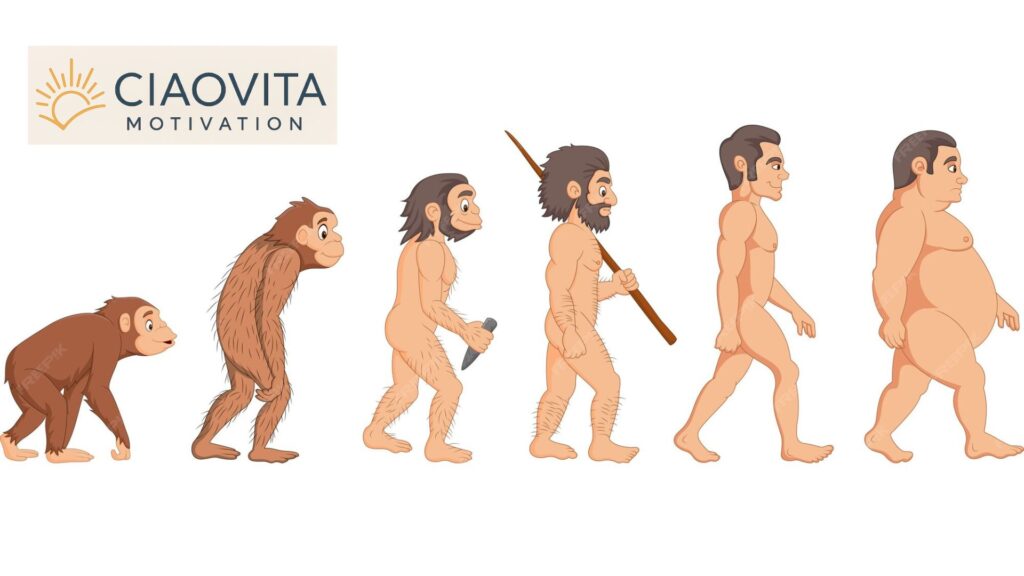
The Paleolithic Diet Revolution: Ancient Eating
How Hunter-Gatherer Nutrition Prevents Modern Disease
Every morning millions of Americans wake up battling chronic diseases unknown to our ancestors. Type 2 diabetes affects 37 million people. Heart disease kills 697,000 annually. Obesity impacts 42% of adults. Meanwhile, modern hunter-gatherer populations eating traditional diets show zero cases of high blood pressure, atherosclerosis or cardiovascular disease. The difference between health and disease comes down to a fundamental mismatch between our paleolithic genome and modern processed foods. Understanding how paleolithic diet prevents chronic disease naturally offers powerful strategies to reclaim your health through ancestral nutrition patterns that shaped human evolution for millions of years.
Your genetic makeup evolved over millions of years eating wild animals, fish, fruits, vegetables, nuts and seeds. This created a metabolism perfectly adapted to paleolithic nutrition profiles. However, the agricultural revolution 10,000 years ago introduced grains, legumes and dairy products into human diets. This represents only 0.5% of human evolutionary history. Your genes remain virtually unchanged from paleolithic times, yet modern American diets contain 50% carbohydrates primarily from refined grains and sugars, 33% fat mostly from processed vegetable oils and only 15% protein. This dramatic shift from ancestral eating patterns creates the evolutionary mismatch driving epidemic rates of obesity, hypertension, diabetes and atherosclerotic cardiovascular disease affecting contemporary populations worldwide.
The fundamental composition of ancestral nutrition
Hunter-gatherer societies consumed approximately 37% of daily calories from protein, 41% from carbohydrates and 22% from fat. These macronutrient ratios differ substantially from modern American dietary patterns. More importantly, the quality of these nutrients differed dramatically from contemporary food sources. Wild animal meat contained less than 4% lipids compared to 25-30% in today’s domesticated animals raised in confined feeding operations. Wild game provided lean protein with superior omega-3 fatty acid profiles that supported optimal health rather than promoting inflammation and arterial damage seen with modern meat consumption patterns.
The paleolithic diet emphasized nutrient-dense whole foods including:
- Lean meats from wild game and fish providing complete proteins and essential amino acids
- Fresh fruits delivering vitamins, minerals, antioxidants and natural sugars with fiber
- Non-starchy vegetables supplying phytonutrients, vitamins and digestive fiber
- Nuts and seeds offering healthy monounsaturated and polyunsaturated fats
- No grains or cereals which only became available after agricultural development
- No dairy products since milk from wild animals proved nearly impossible to obtain
- No legumes which required cooking methods unavailable during paleolithic times
- No processed foods as industrial food production didn’t exist
This dietary pattern provided exceptional nutrition supporting robust health, physical fitness and freedom from chronic degenerative diseases plaguing modern societies.
Metabolic improvements happen remarkably fast
Research published in the European Journal of Clinical Nutrition demonstrated that even short-term consumption of a paleolithic diet produces dramatic health improvements. Scientists conducted a metabolically controlled study with nine healthy volunteers who consumed their usual American diet for three days, then transitioned through ramp-up diets increasing potassium and fiber for seven days, before following a strict paleolithic diet for 10 days. The results proved remarkable despite participants maintaining their normal weight through daily monitoring.
Compared with baseline measurements on their usual diet, participants experienced significant reductions in blood pressure associated with improved arterial distensibility. Plasma insulin levels during glucose tolerance testing dropped substantially, indicating enhanced insulin sensitivity. Total cholesterol declined by 0.8 mmol/L, low-density lipoproteins decreased by 0.7 mmol/L and triglycerides fell by 0.3 mmol/L. Most significantly, either eight or all nine participants showed identical directional responses when switched to the paleolithic diet, demonstrating near-universal improvements in circulatory, carbohydrate and lipid metabolism without any weight loss whatsoever.
A separate 12-week study published in Diabetologia compared the paleolithic diet against the Mediterranean diet in individuals with ischemic heart disease and type 2 diabetes. The paleolithic group demonstrated superior improvements in glucose tolerance along with greater reductions in weight and waist circumference than participants following the Mediterranean diet. These findings suggest that hunter-gatherer nutrition benefits modern health problems more effectively than even the well-established Mediterranean dietary pattern considered among the healthiest eating approaches for contemporary populations.
The omega fatty acid revolution
One of the most significant differences between ancestral eating patterns and modern diets involves the ratio of omega-6 to omega-3 fatty acids. Hunter-gatherers consumed these essential fats in approximately a 1:1 ratio. Today’s American diet contains omega-6 fatty acids at 10 times the amount of omega-3 fatty acids, creating a dramatically skewed 10:1 ratio that promotes systemic inflammation throughout the body.
This imbalance matters tremendously for health outcomes. Eicosanoids derived from omega-6 fatty acids promote inflammation and platelet aggregation, increasing risks for cardiovascular disease and other inflammatory conditions. Conversely, eicosanoids from omega-3 fatty acids produce anti-inflammatory effects and reduce excessive blood clotting. Wild animal meat provided abundant omega-3 fatty acids because these animals consumed their natural diets of grasses, insects and other omega-3 rich foods. Modern confined animal feeding operations produce meat with dramatically higher omega-6 content due to grain-based feed formulations optimized for rapid weight gain rather than nutritional quality.
Brain evolution depended on marine foods
Understanding human brain development reveals why seafood played such crucial roles in paleolithic nutrition. Humans possess significantly larger brains than other primates, requiring exceptional nutritional support for growth and maintenance. Brain tissue contains approximately equal levels of arachidonic acid and docosahexaenoic acid (DHA), two long-chain polyunsaturated fatty acids essential for proper neurological function.
While arachidonic acid can come from various food sources, DHA primarily derives from seafood including fish like mackerel, salmon and trout. Archaeological evidence and gut morphology studies support the introduction of animal foods, particularly marine and lacustrine species, into early Homo diets. Human gut anatomy shows small intestine dominance (56%) rather than the colon dominance (45%) seen in apes, indicating adaptation to highly digestible foods rather than bulky plant material requiring extensive fermentation.
From Ardipithecus and Australopithecus to early Homo species, improved nutrition correlated with increased height, brain size and metabolic activity. Rift Valley lake fish and shellfish provided brain-specific nutrition containing the exact fatty acid profiles necessary for encephalization that distinguished humans from other primates. This evolutionary heritage explains why omega-3 fatty acids remain so critically important for optimal brain health and cognitive function throughout the lifespan.
What happened when agriculture replaced hunting
The agricultural revolution fundamentally transformed human nutrition and health outcomes. Comparing hunter-gatherer populations with agricultural worker societies revealed that hunter-gatherers enjoyed greater lifespans and experienced fewer degenerative illnesses including anemia and osteoporosis. These diseases presumably arose because agricultural diets contained fewer food varieties, relying primarily on grains and cereals with less bioavailable nutrients, creating potential nutritional inadequacies that compromised health.
Historical and anthropological studies demonstrate that hunter-gatherers generally maintained lean physiques with excellent physical fitness and showed no signs or symptoms of chronic diseases. When hunter-gatherer societies transitioned to agricultural grain-based diets, their general health deteriorated substantially. Average adult height decreased significantly for both men and women consuming cereals and starches compared with their hunter-gatherer ancestors eating lean meats, fruits and vegetables. Studies of bones and teeth reveal that populations adopting grain-based agriculture experienced shorter lifespans, higher childhood mortality and increased incidence of osteoporosis, rickets and various mineral and vitamin deficiency diseases.
Modern populations eating traditional diets
Contemporary research on populations maintaining traditional dietary patterns provides compelling evidence supporting paleolithic nutrition principles. Studies examining the Tsimane of Bolivia, Arctic Inuit and Hadza of Tanzania found these peoples traditionally didn’t develop high blood pressure, atherosclerosis or cardiovascular disease despite genetic similarities to modern populations suffering epidemic rates of these conditions.
When former hunter-gatherers adopt Western lifestyles and dietary patterns, obesity, type 2 diabetes, atherosclerosis and other diseases of civilization become commonplace within a single generation. This rapid disease development demonstrates that genetics alone cannot explain modern health crises. Rather, the mismatch between contemporary eating and evolutionary adaptation creates the physiological dysfunction underlying chronic disease epidemics affecting industrialized societies worldwide.
Young people from industrialized societies show significantly higher rates of obesity, hypertension, insulin resistance and atherosclerosis compared with modern hunter-gatherer societies who also demonstrate greater muscle strength and aerobic capacity. These differences emerge despite similar genetic backgrounds, proving that lifestyle and dietary factors determine health outcomes more powerfully than genetic predisposition alone.
Practical considerations for modern application
Adopting a paleolithic diet in contemporary society presents certain challenges requiring thoughtful consideration. Wild animal meat remains largely unavailable for most people. Modern domesticated meat contains significantly higher saturated fat content (25-30%) compared with wild game (less than 4%). Additionally, increasing fish consumption to paleolithic levels raises legitimate concerns about methylmercury exposure, particularly for pregnant women and young children.
The Environmental Protection Agency recommends limiting mercury intake to 0.1 mg per kilogram of body weight daily. Larger predatory fish accumulate higher mercury concentrations, necessitating careful selection of seafood sources. Choosing smaller fish like sardines, anchovies and wild-caught salmon provides excellent omega-3 fatty acids while minimizing mercury exposure risks.
Despite these practical limitations, modern adaptations of paleolithic dietary principles remain highly effective for improving health markers. Emphasizing lean meats, extra virgin olive oil, nuts, fresh fruits and vegetables while eliminating ultra-processed foods rich in refined sugars, excessive sodium and inflammatory vegetable oils creates significant health benefits even without perfectly replicating ancestral eating patterns.
Physical activity deserves equal emphasis with dietary changes. Hunter-gatherers maintained exceptional fitness through constant movement required for foraging and hunting. Modern sedentary lifestyles compound dietary mismatches, making regular exercise essential for preventing chronic disease even when following optimal nutritional patterns.
Conclusion
The epidemic of chronic diseases devastating modern populations stems directly from the fundamental mismatch between our paleolithic genome and contemporary processed food environments. Your genetic makeup evolved over millions of years consuming wild animals, fish, fruits, vegetables, nuts and seeds. These ancestral eating patterns created metabolism perfectly adapted to whole, minimally processed foods.
The agricultural and industrial revolutions transformed human diets in mere moments on evolutionary timescales. Grains, dairy products, refined sugars, processed vegetable oils and ultra-processed foods now dominate American eating patterns despite representing foods your genes never encountered during human development. This evolutionary discord drives the obesity, diabetes, hypertension and cardiovascular disease epidemics killing millions annually.
Research demonstrates conclusively that adopting paleolithic dietary principles produces rapid, dramatic improvements in blood pressure, glucose tolerance, insulin sensitivity and lipid profiles even without weight loss. Modern hunter-gatherer populations eating traditional foods remain free from chronic diseases plaguing industrialized societies. When these same populations adopt Western dietary patterns, disease rates skyrocket within a single generation.
You cannot turn back time or recreate paleolithic environments perfectly. However, you can align your eating patterns more closely with evolutionary adaptation and ancestral wisdom that shaped human health for millions of years. Emphasize lean proteins, colorful vegetables, fresh fruits, nuts and healthy fats while eliminating refined grains, added sugars and processed foods. Combine improved nutrition with regular physical activity mimicking ancestral movement patterns.
Your genes expect paleolithic nutrition. Meeting these expectations through thoughtful food choices and active lifestyles offers your best opportunity for preventing chronic disease and achieving the robust health that represents your evolutionary birthright.
References
- Singh A, Singh D. The Paleolithic Diet. Cureus. 2023;15(1):e34214.
- Frassetto LA, Schloetter M, Mietus-Synder M, Morris RC Jr, Sebastian A. Metabolic and physiologic improvements from consuming a paleolithic, hunter-gatherer type diet. Eur J Clin Nutr. 2009;63(8):947-55.
- O’Keefe JH Jr, Cordain L. Cardiovascular disease resulting from a diet and lifestyle at odds with our Paleolithic genome: how to become a 21st-century hunter-gatherer. Mayo Clin Proc. 2004;79(1):101-08.
- Cordain L, Eaton SB, Sebastian A, Mann N, Lindeberg S, Watkins BA, et al. Origins and evolution of the Western diet: health implications for the 21st century. Am J Clin Nutr. 2005;81(2):341-54.
- Lindeberg S, Jönsson T, Granfeldt Y, Borgstrand E, Soffman J, Sjöström K, Ahrén B. A Palaeolithic diet improves glucose tolerance more than a Mediterranean-like diet in individuals with ischaemic heart disease. Diabetologia. 2007;50(9):1795-07.
- Eaton SB, Konner M. Paleolithic nutrition. A consideration of its nature and current implications. N Engl J Med. 1985;312(5):283-89.
- Kuipers RS, Joordens JC, Muskiet FA. A multidisciplinary reconstruction of Palaeolithic nutrition that holds promise for the prevention and treatment of diseases of civilisation. Nutr Res Rev. 2012;25(1):96-129.
© 2025 Alice & Marcus Guimarães. All rights reserved.This site is proudly created with WordPress.