Cholesterol Management: Statins and Natural Solutions
Evidence-Based Guide to Pharmaceutical and Plant-Based Options
Your cholesterol numbers tell a story about your cardiovascular future. Recent meta-analyses involving hundreds of thousands of participants reveal how both pharmaceutical and natural approaches successfully reduce LDL cholesterol and prevent heart disease. Understanding the evidence behind these strategies empowers you to make informed decisions with your healthcare provider about protecting your heart health.
Understanding cholesterol and cardiovascular risk
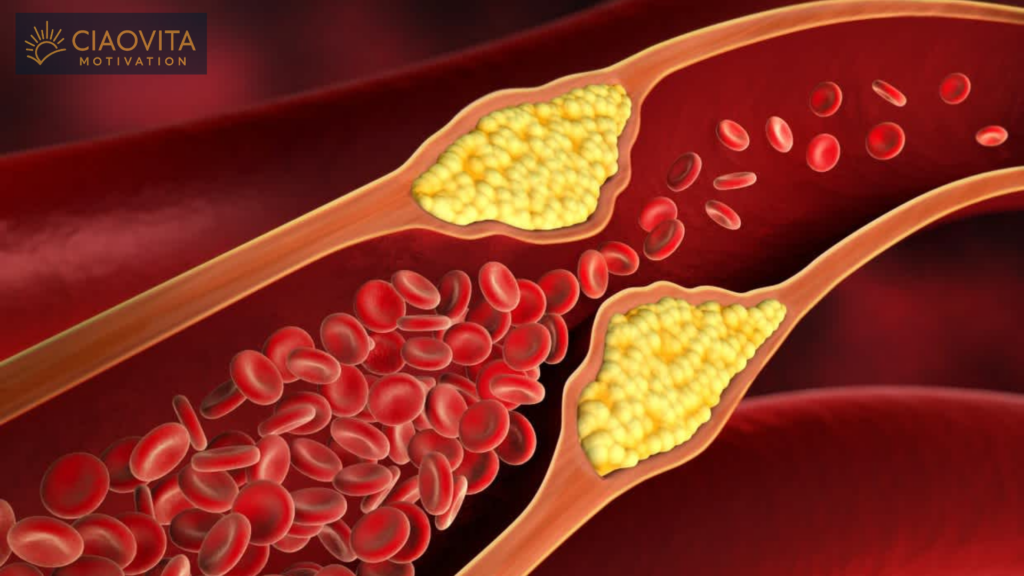
Cholesterol plays essential roles in your body, forming cell membranes and producing hormones. However, elevated low-density lipoprotein cholesterol (LDL-C) contributes to atherosclerotic plaque formation in your arteries. This process narrows blood vessels and increases risk of heart attack and stroke.
A comprehensive meta-analysis of 60 randomized controlled trials examined LDL-lowering therapies including statins, ezetimibe and PCSK9 inhibitors. The research analyzed data from over 300,000 participants followed for an average of 4.9 years. Results showed a hazard ratio of 0.78 for major vascular events per 1 mmol/L (39 mg/dL) reduction in LDL cholesterol. This translates to a 22% reduction in cardiovascular events for every 39 mg/dL drop in LDL levels.
The benefit remains consistent regardless of follow-up duration. Whether treatment continues for two years or ten years, the protective effect persists without diminishing over time. Age doesn’t eliminate benefits either—participants over 75 years experienced similar relative risk reductions compared to younger individuals, though absolute benefits varied based on baseline cardiovascular risk.
Recent systematic reviews confirm total cholesterol levels directly correlate with cardiovascular disease incidence. Each 39 mg/dL elevation in TC increases heart disease risk by approximately 20%. These findings emphasize why cholesterol management represents a cornerstone of cardiovascular disease prevention strategies.
How statin therapy protects your heart
Statin therapy works by inhibiting HMG-CoA reductase, the enzyme controlling cholesterol synthesis in your liver. This mechanism produces consistent LDL cholesterol reductions ranging from 20% with low-intensity statins to over 50% with high-intensity formulations.
A systematic review with meta-analysis published in Current Medicinal Chemistry examined statin effects on blood lipid profiles in patients with cardiovascular diseases. Analyzing randomized controlled trials through July 2021, researchers found statins significantly decreased total cholesterol by 33.37 mg/dL (95% CI: -45.98 to -20.76), LDL-C by 29.42 mg/dL (95% CI: -36.81 to -22.03) and triglycerides by 15.19 mg/dL (95% CI: -26.41 to -3.97). Simultaneously, statins increased HDL cholesterol by 1.55 mg/dL (95% CI: 0.20 to 2.90).
These lipid changes translate into measurable cardiovascular benefits. The Cholesterol Treatment Trialists’ meta-analysis demonstrated each 1 mmol/L reduction in LDL cholesterol produces a 10% reduction in all-cause mortality and a 20% reduction in cardiovascular death over five years of treatment. Benefits accumulate over time, with longer treatment duration yielding greater absolute risk reduction.
Safety concerns about statin-associated muscle symptoms affect approximately 10-15% of patients. However, systematic reviews indicate serious adverse events remain rare. Most muscle complaints resolve with dose adjustment or switching to alternative statins. The Mediterranean diet and cellular aging article discusses how dietary approaches complement pharmaceutical therapy for comprehensive cardiovascular protection.
Combination therapy outperforms statin monotherapy
A groundbreaking meta-analysis published in Mayo Clinic Proceedings examined combination lipid-lowering therapy with statins plus ezetimibe versus statin monotherapy. Searching databases through June 2024, researchers identified randomized trials comparing these approaches for LDL-C reduction, adverse events and cardiovascular outcomes.
Results demonstrated combination therapy produced significantly greater LDL-C reduction while maintaining equivalent safety profiles. More importantly, combination treatment reduced all-cause mortality, major adverse cardiovascular events and stroke risk compared to statins alone. The mortality benefit became more pronounced in studies with follow-up exceeding two years.
Ezetimibe complements statins by blocking cholesterol absorption in the intestine rather than inhibiting synthesis. This dual mechanism attack produces additive LDL-C lowering without proportionally increasing adverse effects. The IMPROVE-IT trial demonstrated patients with acute coronary syndrome receiving simvastatin plus ezetimibe experienced 6.4% absolute reduction in cardiovascular events compared to simvastatin monotherapy over seven years.
Current European guidelines recommend considering combination therapy upfront for very high-risk patients rather than sequentially intensifying treatment. This approach achieves target LDL-C levels faster and maintains lower cholesterol exposure over time. The metabolic syndrome silent health crisis article explores how metabolic conditions influence treatment strategies and outcomes.
Natural approaches backed by scientific evidence
An umbrella review published in the Journal of Ethnopharmacology systematically evaluated 141 meta-analyses examining herbal medicines for dyslipidemia management. Searching major databases through January 2021, researchers identified trials testing vegetable oils, phytosterols, tea, soy protein, nuts and curcumin for lipid-lowering effects.
Among vegetable oils, sunflower oil demonstrated the greatest reductions in total cholesterol (18.95 mg/dL), LDL-C (16.24 mg/dL) and triglycerides (13.69 mg/dL). Rice bran oil significantly increased HDL-C by 6.65 mg/dL. These effects stem from vegetable oils’ high content of unsaturated fatty acids, particularly linoleic acid, which influences cholesterol metabolism and bile acid excretion.
Plant sterols and stanols structurally resemble cholesterol, competing for absorption in the intestine. Daily intake of 2-3 grams reduces LDL-C by approximately 10%. These compounds naturally occur in nuts, seeds, vegetable oils and whole grains, though therapeutic doses typically require fortified foods or supplements.
A comprehensive umbrella review in Nutrition, Metabolism and Cardiovascular Diseases examined accumulated evidence from systematic reviews and meta-analyses on foods affecting LDL cholesterol. High-quality evidence supported almonds (60 grams daily), hazelnuts (39 grams daily), walnuts (46 grams daily) and flaxseeds (38 grams daily) for LDL-C reduction.
Nuts provide beneficial fats, plant sterols, fiber and bioactive compounds working synergistically. The protein complete guide discusses how nuts contribute quality protein alongside heart-healthy fats in balanced nutrition patterns.
Red yeast rice: bridging pharmaceutical and natural approaches
Red yeast rice extract occupies unique territory between pharmaceutical and natural cholesterol management. Produced by fermenting white rice with Monascus purpureus fungus, RYR contains monacolin K, structurally identical to lovastatin, a pharmaceutical statin.
A systematic review and meta-analysis published in Nutrients examined RYR extract safety and efficacy for hypercholesterolemia reduction. Researchers identified 14 double-blind clinical trials conducted between January 2012 and May 2022, involving 705 participants with elevated cholesterol.
Meta-analysis results demonstrated RYR extract consumption significantly reduced total cholesterol by 37.43 mg/dL (95% CI: -47.08 to -27.79) and LDL-C by 35.82 mg/dL (95% CI: -43.36 to -28.29). These reductions approximate effects of low-dose pharmaceutical statins. RYR extract didn’t significantly affect HDL cholesterol, triglycerides, apolipoprotein A-I or apolipoprotein B levels.
Safety analysis revealed RYR extract produced neither life-threatening nor frequent adverse effects. Common side effects included mild gastrointestinal symptoms like constipation, flatulence and occasional diarrhea. Rare reports of muscle symptoms occurred at similar rates to placebo groups. The interventions lasted 4-24 weeks with good tolerability across studies.
However, RYR preparations vary considerably in monacolin K content, ranging from 0.1 to 14.5 mg per dose. Lack of standardization raises concerns about consistency and quality control. Some countries regulate RYR as a pharmaceutical due to its active statin component, while others classify it as a dietary supplement with less stringent oversight.
The gut microbiome and osteoarthritis article explores how gut health influences systemic inflammation relevant to cardiovascular disease pathways.
Implementing dietary strategies for cholesterol management
The Mediterranean dietary pattern consistently demonstrates cardiovascular benefits in randomized trials. This eating style emphasizes vegetables, fruits, whole grains, legumes, nuts, olive oil and moderate fish consumption while limiting red meat and processed foods.
A meta-analysis of Mediterranean diet intervention trials showed total cholesterol reductions of 5-10% and LDL-C decreases of 5-15% depending on adherence quality and duration. Benefits extend beyond lipid changes, Mediterranean diet reduces inflammatory markers, improves endothelial function and favorably modifies gut microbiome composition.
Specific foods within this pattern provide targeted cholesterol-lowering effects. Soluble fiber from oats, barley, beans and apples binds bile acids in the intestine, interrupting cholesterol reabsorption. Beta-glucan from oats reduces LDL-C by approximately 5% when consuming 3 grams daily.
Fatty fish like salmon, mackerel and sardines provide omega-3 fatty acids (EPA and DHA) that primarily lower triglycerides but also produce modest LDL-C reductions while increasing HDL-C. The American Heart Association recommends two servings of fatty fish weekly for cardiovascular protection.
The Portfolio Diet combines multiple cholesterol-lowering foods: plant sterols (2 grams daily), soy protein (45 grams daily), nuts (45 grams daily) and soluble fiber (18 grams daily). This approach reduces LDL-C by approximately 30%, comparable to low-dose statin therapy, through synergistic mechanisms.
Implementation requires sustained dietary changes rather than short-term restrictions. The fermented foods power of ancient nutrition article discusses how traditional foods support metabolic health and cardiovascular function.
Personalized approach to cholesterol management
Individual responses to both pharmaceutical and natural cholesterol-lowering strategies vary based on genetics, baseline lipid levels, overall cardiovascular risk profile and concurrent health conditions. This variability necessitates personalized treatment selection and monitoring.
Genetic polymorphisms in HMGCR, PCSK9 and other genes influence statin response. Some individuals achieve target LDL-C levels with low-dose therapy, while others require high-intensity statins plus additional agents. Pharmacogenetic testing may guide treatment selection in specific cases, though routine use remains controversial.
Age considerations matter for treatment decisions. While statins benefit adults across age ranges, absolute risk reduction increases with baseline cardiovascular risk. A 40-year-old with borderline high cholesterol faces different risk-benefit calculations than a 70-year-old with established coronary disease.
Existing cardiovascular disease strongly influences treatment intensity. Secondary prevention (after heart attack or stroke) requires aggressive LDL-C lowering with target levels below 70 mg/dL or even 55 mg/dL for very high-risk patients. Primary prevention targets vary based on calculated 10 year cardiovascular risk scores.
Diabetes substantially increases cardiovascular risk, prompting earlier and more intensive cholesterol management. Guidelines recommend moderate-to-high intensity statins for most adults with diabetes, regardless of baseline LDL-C levels. The diabetes management guide explores comprehensive approaches to metabolic disease control.
Cost considerations affect treatment accessibility. Generic statins cost pennies per day, making them highly cost-effective for cardiovascular prevention. Newer agents like PCSK9 inhibitors provide powerful LDL-C lowering but carry substantially higher costs, appropriate when statins prove insufficient or intolerable.
Natural approaches generally cost more than generic statins but less than newer pharmaceuticals. Red yeast rice supplements range from $15-40 monthly. Therapeutic quantities of nuts, olive oil and plant sterol-fortified foods add grocery expenses but provide nutritional benefits beyond cholesterol management.
Combining pharmaceutical and natural strategies may optimize outcomes while potentially reducing medication doses and side effects. For example, adding plant sterols and increased nut consumption might allow lower statin doses while achieving target LDL-C levels.
Conclusion
Scientific evidence strongly supports both pharmaceutical and natural approaches for cholesterol management and cardiovascular disease prevention. Statins reduce LDL cholesterol by 20-50% and lower cardiovascular events by approximately 22% per 39 mg/dL LDL-C reduction. Combination therapy with statins plus ezetimibe outperforms monotherapy for reducing death and major cardiac events.
Natural approaches including nuts, plant sterols, soluble fiber and red yeast rice extract provide measurable cholesterol-lowering benefits backed by high-quality evidence. Red yeast rice extract reduces LDL-C by approximately 36 mg/dL, comparable to low-dose statins, with generally good tolerability.
The choice between pharmaceutical, natural or combined approaches depends on individual cardiovascular risk, baseline cholesterol levels, treatment response, side effect tolerance and personal preferences. Regular monitoring ensures treatment achieves target levels while minimizing adverse effects.
Working collaboratively with your healthcare provider allows evidence-based decision-making tailored to your unique health situation. Whether pursuing pharmaceutical therapy, dietary modifications or thoughtful combinations, consistent adherence to proven strategies protects your cardiovascular health for years to come.
References
- van der Linden RRD, Rikken PJW, van der Graaf Y, Cramer MJM, Doevendans PAFM, Westerink J. Course of the effects of LDL-cholesterol reduction on cardiovascular risk over time: A meta-analysis of 60 randomized controlled trials. Atherosclerosis. 2024;396:1185.
- Banach M, Jaiswal V, Ang SP, Sawhney A, Deb N, Amarenco P, et al. Impact of Lipid-Lowering Combination Therapy With Statins and Ezetimibe vs Statin Monotherapy on the Reduction of Cardiovascular Outcomes: A Meta-analysis. Mayo Clin Proc. 2025;100(3):S0025-6196(25)00075-8.
- Aslani S, Razi B, Imani D, Mohammadi K, Jamialahmadi T, Reiner Ž, Sahebkar A. Effect of Statins on the Blood Lipid Profile in Patients with Different Cardiovascular Diseases: A Systematic Review with Meta-analysis of Randomized Clinical Trials. Curr Med Chem. 2023;30(32):3702-24.
- Heshmati J, Morvaridzadeh M, Maroufizadeh S, Akbari A, Yavari M, Amirinejad A, et al. Targeting dyslipidemia by herbal medicines: A systematic review of meta-analyses. J Ethnopharmacol. 2021;280:1144.
- Trogkanis E, Karalexi MA, Sergentanis TN, Kornarou E, Vassilakou T. Safety and Efficacy of the Consumption of the Nutraceutical “Red Yeast Rice Extract” for the Reduction of Hypercholesterolemia in Humans: A Systematic Review and Meta-Analysis. Nutrients. 2024;16(10):1453.
- Schoeneck M, Iggman D. The effects of foods on LDL cholesterol levels: A systematic review of the accumulated evidence from systematic reviews and meta-analyses of randomized controlled trials. Nutr Metab Cardiovasc Dis. 2021;31(5):1325-38.
© 2025 Alice & Marcus Guimarães. All rights reserved.This site is proudly created with WordPress.