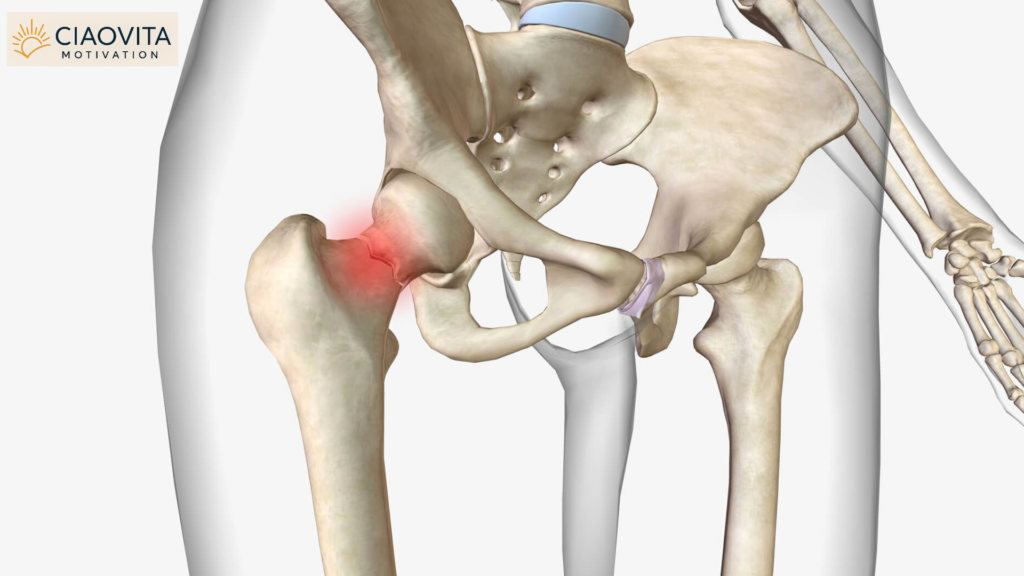
Fragility Fractures: Prevention Strategies That Work
Evidence-Based Bone Health Guide for Osteoporosis
Prevention
Fragility fractures represent one of the most significant health challenges facing aging populations worldwide. After three decades as an orthopedic surgeon, I’ve witnessed firsthand the devastating impact these injuries have on quality of life, independence and mortality. The encouraging news is that research consistently demonstrates we can prevent most fragility fractures through evidence-based strategies. This comprehensive guide synthesizes the latest scientific findings on prevention, from pharmaceutical interventions to lifestyle modifications that preserve bone strength throughout life.
Understanding fragility fractures begins with recognizing their defining characteristic. These breaks occur from minimal trauma, typically from standing height or less. Unlike fractures from high-energy accidents, fragility fractures signal underlying bone weakness. The hip, spine and wrist are most commonly affected, though any bone can fracture when osteoporosis weakens the skeletal structure. Recent systematic reviews indicate that approximately 20-30% of older adults experience falls annually and fragility fractures represent the most serious consequence of these falls. The economic burden is staggering, with estimates suggesting fragility fractures cost healthcare systems billions annually.
Understanding Bisphosphonates and Bone Medications
Bisphosphonates remain the cornerstone of pharmacological osteoporosis treatment. These medications work by inhibiting osteoclasts, the cells responsible for bone breakdown. A comprehensive network meta-analysis published in Annals of Internal Medicine examined 34 randomized controlled trials involving over 100 publications. The findings demonstrate that bisphosphonates reduce hip fractures by approximately 40%, clinical vertebral fractures by 68%, and other clinical fractures significantly compared to placebo.
The safety profile of bisphosphonates has been thoroughly evaluated. While concerns about atypical femoral fractures and osteonecrosis of the jaw exist, the absolute risk remains low. Research shows these adverse events occur in less than 1 in 10,000 patients annually. The benefits of fracture prevention far outweigh these minimal risks for most patients. Recent evidence suggests bisphosphonates maintain effectiveness for 5-10 years of continuous use.
Denosumab represents another important option. This medication targets a different pathway in bone metabolism. Studies comparing denosumab to bisphosphonates show similar efficacy for fracture prevention with some advantages in bone mineral density improvements. Systematic reviews indicate denosumab may be particularly beneficial for patients who cannot tolerate bisphosphonates or have compromised kidney function.
Newer anabolic agents like teriparatide and romosozumab build bone rather than just preventing loss. Meta-analyses demonstrate these medications reduce vertebral fractures more effectively than bisphosphonates, though they cost more and require injections. The optimal approach often involves starting with anabolic therapy in very high-risk patients, then transitioning to antiresorptive medications for maintenance. This approach to bone health requires individualized assessment and ongoing monitoring.
Weight-Bearing Exercise: The Foundation of Bone Health
Exercise represents perhaps the most powerful non-pharmaceutical intervention for bone health. A systematic review and meta-analysis of resistance training in older adults examined seven studies involving 370 participants. The results demonstrate resistance training increases bone mineral density by 0.64% at the hip and 0.62% at the spine over 12-52 weeks. While these percentages seem small, they translate into meaningful fracture risk reduction.
The mechanisms behind exercise-induced bone strengthening involve mechanical loading. When muscles contract against resistance, they pull on bones, creating mechanical stress. This stress triggers bone-building cells called osteoblasts to lay down new bone tissue. The process requires progressive overload, meaning the stress must gradually increase over time to continue stimulating bone formation.
Network meta-analyses comparing different exercise types reveal important insights. Resistance training appears most effective for total hip bone density. Mind-body exercises like tai chi rank highest for lumbar spine and femoral neck density. Combined exercise programs incorporating both resistance and impact activities show the greatest overall benefits. The optimal prescription includes 3 weekly sessions of moderate to high-intensity resistance training, with exercises targeting major muscle groups.
The fracture prevention benefits of exercise extend beyond bone density improvements. A comprehensive systematic review of fall prevention interventions found exercise reduces falls by 29% and fracture risk by 38%. These benefits come from improved balance, strength and coordination. Programs emphasizing balance training appear particularly effective. The evidence supports starting exercise interventions early, as building bone strength during youth provides lifetime protection.
Protein and Bone Health: Evidence-Based Requirements
The relationship between dietary protein and bone health has evolved significantly. Early theories suggested high protein intake increased calcium loss and weakened bones. Modern research contradicts these assumptions. A systematic review and meta-analysis from the National Osteoporosis Foundation examined 16 randomized controlled trials and 20 prospective cohort studies. The findings show no adverse effects of higher protein intake on bone health. In fact, the evidence suggests benefits.
Older adults require more protein than younger individuals for bone maintenance. Research demonstrates protein intake above the current recommended dietary allowance of 0.8 grams per kilogram body weight provides advantages. Meta-analysis of cohort studies shows higher protein intake reduces hip fracture risk by 16%. The optimal intake appears to be approximately 1.2 grams per kilogram daily for adults over 65.
Both animal and plant proteins support bone health effectively. No significant differences emerge between protein sources in systematic reviews. What matters most is total protein intake combined with adequate calcium and vitamin D. Protein requirements for optimal health extend beyond bone to include muscle maintenance, which indirectly protects against fractures by reducing fall risk.
The mechanisms linking protein to bone health involve several pathways. Protein provides amino acids necessary for bone matrix formation. Adequate protein intake stimulates insulin-like growth factor 1, which promotes bone formation. Protein also maintains muscle mass, crucial for preventing falls. The combination of adequate protein with resistance exercise creates synergistic benefits for bone and muscle strength.
Osteopenia: The Critical Window for Intervention
Osteopenia represents the transitional state between normal bone density and osteoporosis. Bone density measurements fall between 1 and 2.5 standard deviations below young adult peak bone mass. This diagnosis provides a critical opportunity for intervention before osteoporosis develops. Recent evidence suggests many patients with osteopenia never progress to osteoporosis with appropriate management.
Exercise interventions show particular promise for osteopenia. Systematic reviews indicate resistance training and weight-bearing activities can halt or reverse bone density decline during this stage. The earlier intervention begins, the better the outcomes. Studies demonstrate that postmenopausal women with osteopenia who engage in regular resistance training maintain or improve bone density over 12-24 months.
Pharmacological treatment for osteopenia remains controversial. Guidelines generally reserve bisphosphonates and other medications for patients with osteoporosis or very high fracture risk. However, network meta-analyses suggest certain high-risk osteopenia patients may benefit from treatment. Fracture risk assessment tools like FRAX help identify these individuals. The decision requires careful discussion of benefits versus risks.
Nutritional interventions complement exercise for osteopenia management. Adequate calcium intake of 1200 mg daily for women over 50 and men over 70 supports bone health. Vitamin D levels should be maintained above 30 ng/mL through supplementation if necessary. Dietary approaches supporting bone health emphasize whole foods rich in calcium, vitamin D, and other bone-supporting nutrients.
Vertebral Compression Fractures: Recognition and Treatment
Vertebral compression fractures often go unrecognized initially. Many patients attribute sudden back pain to muscle strain or arthritis. The key warning signs include sudden onset of back pain, height loss of more than one inch, and developing a forward-hunched posture called kyphosis. These fractures can occur spontaneously during routine activities like lifting light objects or even coughing.
Diagnosis requires imaging studies. X-rays typically reveal the characteristic wedge-shaped deformity of compressed vertebrae. MRI helps distinguish acute from old fractures and identifies other potential causes of back pain. Once diagnosed, treatment options range from conservative management to minimally invasive procedures.
A systematic review and network meta-analysis compared vertebroplasty, kyphoplasty and conservative treatment for osteoporotic vertebral compression fractures. The analysis of 12 intervention types found that surgical treatments provide superior pain relief compared to conservative management. Kyphoplasty with facet joint injection ranked highest for short-term pain reduction. Vertebroplasty with facet joint injection excelled in disability improvement. Both procedures involve injecting bone cement into the fractured vertebra to stabilize it.
Conservative management remains appropriate for many patients. Pain control, activity modification and bracing allow healing in 6-12 weeks for most uncomplicated fractures. Physical therapy focusing on posture and core strengthening helps prevent future fractures. The decision between conservative and surgical treatment depends on pain severity, functional limitation and patient preferences. Evidence shows cement augmentation procedures work best for acute fractures with severe pain limiting function.
Hip Fracture Prevention Through Home Safety
Hip fractures represent the most devastating fragility fracture consequence. Mortality rates reach 20-30% within one year of hip fracture. Survivors often lose independence and require long-term care. The encouraging news is that systematic reviews demonstrate environmental modifications prevent 60% of hip fractures in community-dwelling older adults.
A comprehensive network meta-analysis of fall prevention interventions examined 219 trials with 167,864 participants. The findings identify several highly effective strategies. Exercise interventions reduce falls by 29% and show moderate certainty evidence for fracture prevention. Environmental assessment and modification programs significantly decrease fall risk when combined with other interventions.
Specific home modifications proven effective include:
Bathroom Safety: Install grab bars near toilets and in showers. Use non-slip mats in tubs and showers. Raise toilet seats to reduce strain when sitting and standing. These simple modifications prevent falls during vulnerable moments.
Lighting Improvements: Ensure adequate lighting in hallways, stairways, and entryways. Install nightlights in bedrooms and bathrooms. Replace burned-out bulbs promptly. Falls often occur during nighttime bathroom trips in dim lighting.
Floor Hazards: Remove throw rugs or secure them with non-slip backing. Eliminate electrical cords from walking paths. Keep floors clear of clutter. Many falls result from tripping over household items.
Stairway Safety: Install handrails on both sides of stairways. Mark step edges with contrasting tape. Ensure steps are in good repair. Consider stairlifts for individuals with mobility limitations.
Multifactorial interventions combining environmental modifications with exercise, vision checks and medication review show the greatest effectiveness. Systematic reviews indicate these comprehensive programs reduce falls by 24% and may prevent fractures, though evidence certainty is moderate. The key is personalized assessment identifying each individual’s specific risk factors, then addressing them systematically.
Conclusion
Fragility fractures need not be an inevitable consequence of aging. The scientific evidence overwhelmingly demonstrates that we can prevent most of these devastating injuries through evidence-based strategies. Bisphosphonates and other bone medications reduce fracture risk by 40-68% when used appropriately. Weight-bearing exercise increases bone density and improves balance, providing dual protection. Adequate protein intake supports both bone and muscle health. Early intervention during osteopenia prevents progression to osteoporosis. Proper treatment of vertebral compression fractures preserves function and prevents disability. Simple home modifications eliminate fall hazards.
The optimal approach combines multiple strategies tailored to individual risk factors. Regular bone density screening identifies those at highest risk. Personalized exercise prescriptions maximize benefits while minimizing injury risk. Nutritional interventions ensure adequate protein, calcium, and vitamin D. Pharmacological treatment when indicated provides powerful fracture protection. Environmental modifications create safer living spaces. Understanding how lifestyle choices shape healthy aging empowers individuals to take control of their bone health.
The time to act is now, not after the first fracture occurs. Prevention works, and the earlier we start, the better the outcomes. Consult with your healthcare provider about bone density screening and personalized prevention strategies. Your skeleton will thank you for decades to come.
References
- Ayers C, Kansagara D. Effectiveness and Safety of Treatments to Prevent Fractures in People With Low Bone Mass or Primary Osteoporosis: A Living Systematic Review and Network Meta-analysis for the American College of Physicians. Ann Intern Med. 2023;176(2):182-95.
- Massini DA, Nedog FH, de Oliveira TP, et al. The Effect of Resistance Training on Bone Mineral Density in Older Adults: A Systematic Review and Meta-Analysis. Healthcare (Basel). 2022;10(6):1129.
- Kemmler W, Shojaa M, Kohl M, von Stengel S. Exercise training and bone mineral density in postmenopausal women: an updated systematic review and meta-analysis of intervention studies with emphasis on potential moderators. Osteoporos Int. 2023;34(2):259-74.
- Shams-White MM, Chung M, Du M, et al. Dietary protein and bone health: a systematic review and meta-analysis from the National Osteoporosis Foundation. Am J Clin Nutr. 2017;105(6):1528-43.
- Groenendijk I, den Boeft L, van Loon LJC, de Groot LCPGM. High Versus low Dietary Protein Intake and Bone Health in Older Adults: a Systematic Review and Meta-Analysis. Comput Struct Biotechnol J. 2019;17:1101-12.
- Zou D, Li W, Xu F, et al. Comparative Efficacy of Surgical Interventions for Osteoporotic Vertebral Compression Fractures: A Systematic Review and Network Meta-analysis. Orthop Surg. 2024;16(1):11-26.
- Dautzenberg L, Beglinger S, Tsokani S, et al. Interventions for preventing falls and fall-related fractures in community-dwelling older adults: A systematic review and network meta-analysis. J Am Geriatr Soc. 2021;69(10):2973-84.
- Kahwati LC, Kistler CE, Booth G, et al. Screening for Osteoporosis to Prevent Fractures: A Systematic Evidence Review for the US Preventive Services Task Force. JAMA. 2025;333(6):509-31.
- Li M, Ge Z, Zhang B, et al. Efficacy and safety of teriparatide vs. bisphosphonates and denosumab vs. bisphosphonates in osteoporosis not previously treated with bisphosphonates: a systematic review and meta-analysis of randomized controlled trials. Arch Osteoporos. 2024;19(1):89.
- Oremus M,哦 AC, Ramkissoon N, et al. Falls prevention interventions for community-dwelling older adults: systematic review and meta-analysis of benefits, harms, and patient values and preferences. Syst Rev. 2024;13(1):294.
© 2025 Alice & Marcus Guimarães. All rights reserved.This site is proudly created with WordPress.