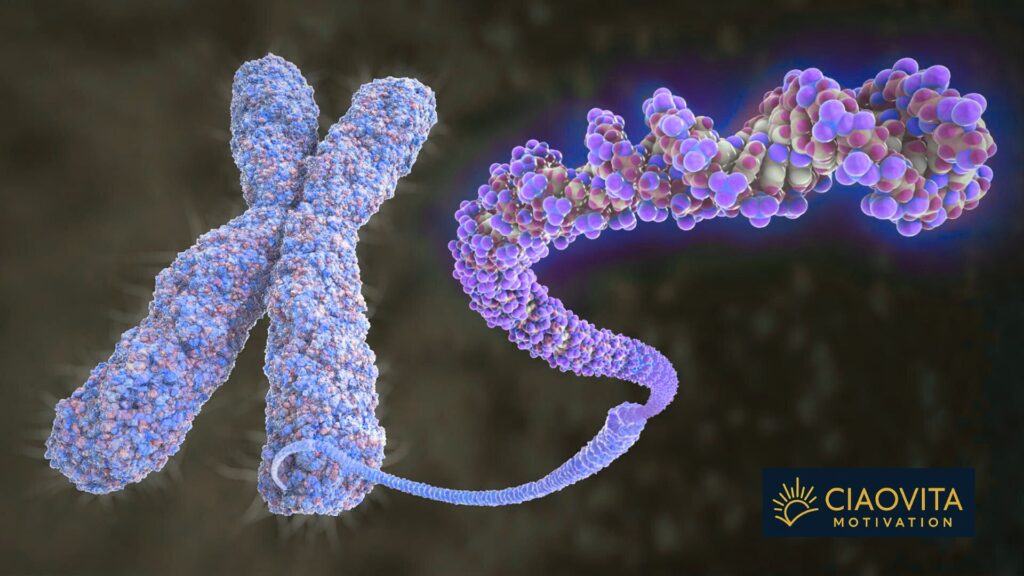
Longevity Genetics: Is Your Lifespan 50% Inherited? Aging Genes, Lifespan Heritability and Genetic Longevity Secrets
How long will you live? For most of human history, this question had no scientific answer. We attributed long lives to luck, geography, or divine favor. Then genetics arrived, and researchers began searching for a more precise explanation. For decades, the best answer science could offer was disappointing: genes account for only 20 to 25% of how long a person lives.
That number, repeated in textbooks and medical schools for years, just changed dramatically. A landmark study published in Science in 2025 has shown that lifespan heritability — the proportion of longevity explained by genetic factors — is actually over 50%. This discovery does not mean your fate is sealed at birth. It means scientists had been measuring the wrong thing and the correction reveals something profound about longevity genetics and what truly drives how we age. Understanding this new picture empowers you to make smarter choices about the half of your lifespan that remains fully under your control.
Why the old heritability numbers were too low
For most of the 20th century, scientists used twin studies to estimate how much of a trait is genetic. The logic is elegant: identical twins share 100% of their DNA, while fraternal twins share about 50%. If identical twins live to similar ages more consistently than fraternal twins, genetics must play a role. Studies using this method concluded that roughly 20 to 25% of lifespan was heritable.
More recently, massive genealogy datasets, family trees involving millions of people, suggested the number might be even lower, perhaps as little as 6%. These findings implied that aging genes were almost irrelevant compared to social, environmental and behavioral factors. The conclusion seemed settled: lifestyle dominated, genetics barely mattered.
But researchers Ben Shenhar, Uri Alon and their colleagues at the Weizmann Institute of Science spotted a critical flaw in these calculations. All previous studies measured total lifespan, including deaths from causes that have absolutely nothing to do with biological aging. Car accidents, homicides, drowning, infectious disease outbreaks, these events kill people regardless of their genetic constitution. A 25-year-old with perfect longevity genes can still die in a traffic collision.
When you include these external, random deaths in your heritability calculation, you are essentially adding noise to the data. That noise dilutes the genetic signal and makes it look weaker than it is. The Weizmann team called these events extrinsic mortality, death caused by factors outside the body. They developed a mathematical model to separate extrinsic from intrinsic mortality, which covers deaths driven by internal biological processes: cancer, cardiovascular disease, neurodegeneration, organ aging, and cellular decline.
The findings were striking. Once extrinsic mortality was removed from the equation, lifespan heritability exceeded 50%. Twin cohorts analyzed both in childhood (raised together) and after adoption (raised separately) confirmed this result. The genetic contribution to how long we live is at least as large as the genetic contribution to height, blood pressure, or intelligence.
This recalibration matters enormously. For researchers studying genetic longevity, it validates decades of effort to find aging-related genes. For individuals, it changes the conversation from “genes don’t matter much” to “genes matter a great deal, but so do your choices.”
What genes actually do in longevity
If half of your lifespan is determined by genetics, what exactly are those genes doing? The science of longevity genetics has identified several pathways. These are not individual “longevity genes” that switch on immortality. They are networks of variants, small differences in your DNA, that collectively influence how fast and how well your body handles the damage of living.
One of the most powerful meta-analyses in the field, published by Deelen and colleagues in Nature Communications in 2019, analyzed genome-wide data from over 11,000 individuals who survived to the 90th percentile of lifespan or beyond. The study identified multiple genetic loci associated with exceptional longevity, with the strongest signals near the APOE gene, a well-known gene involved in Alzheimer’s disease risk and cardiovascular health and near GPR78, a less understood region. This meta-analysis of GWAS longevity studies remains one of the most comprehensive genetic maps of human longevity available.
A broader approach, published in Nature Aging in 2023, used multivariate genome-wide analysis of multiple aging genes simultaneously. Rather than looking at lifespan alone, researchers combined data on biological aging markers, including cardiovascular health, cognitive function and metabolic parameters, to identify 52 genetic variants across 38 chromosomal locations. Some of these variants pointed toward proteins like VEGFA, which regulates blood vessel growth, and PHB1, involved in mitochondrial health. Intriguingly, the study found that metformin, a diabetes drug widely studied for anti-aging properties, targets several of these same pathways.
What these findings reveal is that aging genes do not work like a simple on/off switch. They operate through overlapping systems that regulate inflammation, DNA repair, cellular energy production, telomere maintenance and protein recycling. Your particular combination of variants across all these systems creates your genetic starting point for longevity. To explore these mechanisms further, read our detailed guide to how your lifestyle choices affect your biological age.
The largest lifespan genome study ever conducted
To understand the full genetic architecture of lifespan, researchers have had to think creatively. Studying people who live to 90 or 100 requires waiting decades for results. A more practical approach, pioneered by Timmers and colleagues in eLife in 2019, was to study parental lifespan as a proxy.
If your parents lived long, healthy lives, that information contains genetic signal, even before you reach old age yourself. Using this design, the team assembled genomic data from more than one million parent lifespans across the UK Biobank and 26 independent European cohorts. This is the largest investigation of lifespan genetics ever conducted.
The results identified 11 new genetic loci associated with longer parental lifespan, replicating six previously discovered regions. Strikingly, the majority of the strongest genetic associations pointed to diseases we recognize well: autoimmune conditions, cardiovascular and metabolic diseases, neuropsychiatric disorders and smoking-related illness. This suggests that genetic longevity is not driven by some mysterious “longevity gene,” but rather by variants that reduce risk across multiple common diseases simultaneously.
The study also found that a polygenic score, a combined score of hundreds of small genetic effects, could meaningfully predict whether an individual would live longer or shorter than average. This is an important step toward personalized longevity medicine.
KEY INSIGHT: Genetic longevity is largely about disease resistance. The genes that help you live longer are mostly genes that protect you from heart disease, cancer, dementia and metabolic dysfunction.
The implication is both reassuring and actionable. Many of the lifestyle factors that lower your risk for these same diseases, physical activity, anti-inflammatory nutrition, quality sleep, stress management, likely activate or support the same protective pathways that your longevity genes use. To understand the full science of how daily choices compound over time, our article on the science of longevity and daily habits provides practical evidence-based detail.
From gene variants to biological pathways
Knowing which genes matter is only the first step. The more important question is: what biological pathways do these genes control and can we influence those pathways through lifestyle or medication?
A comprehensive 2024 review by Smulders and Deelen, published in the Journal of Internal Medicine, traces this journey from individual genetic variants all the way to the cellular and molecular pathways they govern. Published in April 2024, this review of longevity genetics from variants to pathways provides the most complete current map of how aging genes connect to biological function.
The pathways identified include several that you may recognize from other areas of health science:
- mTOR signaling — a central regulator of cell growth and aging, inhibited by rapamycin and influenced by caloric intake
- Insulin and IGF-1 signaling — reduced activity in this pathway is one of the most consistent genetic findings in model organisms that live exceptionally long
- Sirtuins — a family of proteins that regulate DNA repair, inflammation and mitochondrial function, activated by NAD+ precursors and caloric restriction
- Telomere maintenance — genetic variants that preserve telomere length correlate with slower biological aging and reduced disease risk
- Autophagy — the cellular recycling process that removes damaged proteins and organelles, declining with age and associated with multiple longevity-related genes
Understanding these pathways matters because many are directly responsive to environmental inputs. Exercise activates AMPK, which intersects with both mTOR and sirtuin pathways. Caloric restriction and intermittent fasting reduce insulin signaling. Anti-inflammatory diets reduce the chronic low-grade inflammation that accelerates epigenetic aging.
This means the distinction between genetics and lifestyle is less absolute than it appears. Your genes set the baseline activity of these pathways. Your behaviors dial them up or down. For a deeper exploration of this interplay, see our article on human age reversal: science or fantasy, which covers the latest research on reversing biological aging markers.
Environment versus genes: the full picture
The discovery that lifespan heritability exceeds 50% does not mean that environment is irrelevant. In fact, the most comprehensive study of environment and aging published in recent years shows just how powerful external factors remain.
A 2025 study by Argentieri and colleagues, published in Nature Medicine and covering nearly 500,000 participants from the UK Biobank, quantified the relative contributions of the exposome, the totality of environmental exposures across a lifetime, and genetics to aging and mortality. The research integrating environmental and genetic architectures of aging identified 25 independent environmental exposures associated with mortality, ranging from smoking and physical activity to socioeconomic status and air pollution.
The numbers are illuminating. While genetic polygenic risk scores for 22 major diseases explained less than 2 additional percentage points in mortality variation, the environmental exposome explained 17 additional percentage points. Both genes and environment matter, but environmental exposures show a larger measurable effect at the population level.
How do we reconcile this with the finding that lifespan heritability is over 50%? The key is in how these measures work. Heritability tells you how much of the variation in lifespan between people within a population is explained by genetic differences. The exposome study measures how much of the total mortality risk is explained by environmental risk scores. These are different questions with different answers, and both can be true simultaneously.
The practical conclusion is this:
- Your genetic blueprint significantly shapes your biological capacity to age slowly. Variants in APOE, telomere genes, inflammatory regulators and metabolic genes create a starting point that differs between individuals.
- Your environmental exposures and lifestyle choices powerfully modify that baseline. Smoking, inactivity, poor nutrition and chronic stress accelerate aging even in people with favorable genetics.
- Neither alone tells the full story. The most powerful approach combines awareness of genetic risk with systematic lifestyle optimization.
This is precisely the philosophy behind our guide to your comprehensive longevity roadmap: lifestyle meets genetics.
The heritability of lifespan in context
To appreciate why the new estimate of over 50% lifespan heritability is significant, it helps to compare it with the heritability of other traits we accept as strongly genetic.
A foundational 2015 meta-analysis by Polderman and colleagues, published in Nature Genetics, analyzed more than 50 years of twin studies covering over 17,800 traits in 2,748 publications. This umbrella meta-analysis of human heritability established that the average heritability of human physiological and psychological traits is approximately 49%, with a standard deviation of 12%.
Lifespan, at its old estimate of 20 to 25%, was an unusual outlier, far below the average for complex human traits. This anomaly always required explanation. Why would longevity be so much less heritable than height (80%), BMI (60%) or cardiovascular disease risk (50%)? The answer, as Shenhar and colleagues have now shown, is that it was not. The apparent anomaly was a measurement artifact caused by extrinsic deaths.
Correcting for this artifact brings lifespan heritability into alignment with virtually all other complex human traits. Longevity genetics is not exceptional. It obeys the same rules as the rest of human biology.
This is intellectually satisfying, but it also carries practical weight. If lifespan heritability matches the heritability of cardiovascular disease, then the same tools we use to manage cardiac genetic risk — lifestyle modification, targeted screening, emerging pharmacological approaches — should apply equally to longevity optimization.
WHAT THIS MEANS FOR YOU:
- Genetic predisposition to short or long lifespan is real and measurable.
- It accounts for approximately half of the variation between individuals.
- The other half — your habits, environment and lifestyle — remains fully modifiable at any age.
- Identifying your genetic risk profile allows you to target interventions where they matter most.
The growing field of genetic longevity medicine is beginning to translate these findings into clinical practice. Polygenic risk scores for longevity, biological age clocks based on DNA methylation and multi-omics aging biomarkers are becoming tools that physicians can use to personalize prevention strategies.
To understand how spirituality, purpose and psychological factors interact with these biological mechanisms, explore our article on spirituality and healthy aging: the science behind living longer, which covers an often-overlooked dimension of longevity.
Conclusion
The science of longevity genetics has reached a turning point. For decades, a misleading number — 20 to 25% heritability — suggested that genes were minor players in determining how long we live. The true figure, corrected for external causes of death, is over 50%. This brings lifespan heritability in line with virtually all other complex human traits and validates years of research into aging genes and their biological pathways.
This discovery does not make your lifespan destiny. It clarifies it. Half of your longevity potential is written in your DNA, in the activity of pathways that regulate inflammation, cellular repair, metabolic efficiency and disease resistance. The other half responds directly to the choices you make every day.
The most powerful approach to longevity is not genetic fatalism. It is genetic awareness combined with lifestyle precision. Knowing which biological pathways your genes favor or challenge allows you to apply evidence-based interventions with greater intelligence and purpose.
Whether your genetic blueprint runs long or short, the science is clear: consistent physical activity, anti-inflammatory nutrition, restorative sleep, strong social connections and purposeful living all move the biological dial toward a longer, healthier life. Your genes load the gun. Your choices, every single day, decide how the story ends.
Start with what you can control. The science will do the rest.
References
- Shenhar B, Pridham G, De Oliveira TL, Raz N, Yang Y, Deelen J, Hägg S, Alon U. Heritability of intrinsic human life span is about 50% when confounding factors are addressed. Science. 2025;387(6738):eadr3216. https://doi.org/10.1126/science.adr3216
- Argentieri MA, Bhatt DL, Wyss-Coray T, et al. Integrating the environmental and genetic architectures of aging and mortality. Nat Med. 2025;31(3):1016–1025. https://pubmed.ncbi.nlm.nih.gov/39972219/
- Deelen J, Evans DS, Arking DE, et al. A meta-analysis of genome-wide association studies identifies multiple longevity genes. Nat Commun. 2019;10(1):3669. https://pubmed.ncbi.nlm.nih.gov/31413261/
- Smulders L, Deelen J. Genetics of human longevity: from variants to genes to pathways. J Intern Med. 2024;295(4):416–35. https://pubmed.ncbi.nlm.nih.gov/37941149/
- Timmers PRHJ, Mounier N, Lall K, et al. Genomics of 1 million parent lifespans implicates novel pathways and common diseases and distinguishes survival chances. eLife. 2019;8:e39856. https://elifesciences.org/articles/39856
- Polderman TJC, Benyamin B, de Leeuw CA, et al. Meta-analysis of the heritability of human traits based on fifty years of twin studies. Nat Genet. 2015;47(7):702–9. https://pubmed.ncbi.nlm.nih.gov/25985137/
© 2025 Alice & Marcus Guimarães. All rights reserved.This site is proudly created with WordPress.