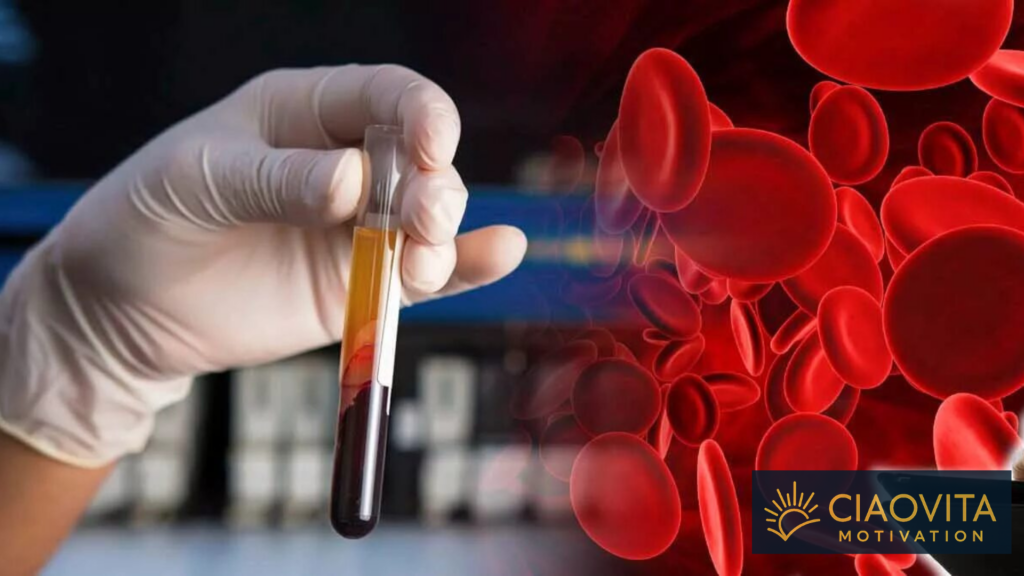
Exercise Boosts Platelet Count and PRP Quality.
How 20 Minutes of Vigorous Cardio Optimizes Your Platelet-Rich Plasma Results.
If you’ve had PRP therapy or your doctor has mentioned it, you’ve probably focused on finding the right clinic and the right condition to treat. Most people skip one question entirely: does what you do before the blood draw actually matter?
It does. And the answer involves your spleen, your adrenaline and a stationary bike.
A 2022 clinical study published in Arthroscopy: Sports Medicine and Rehabilitation tested what happens when patients exercise before a PRP blood collection. The results were direct: 20 minutes of vigorous exercise raised platelet concentrations by over 20% in whole blood and in both types of PRP products tested. That increase is not trivial. In regenerative medicine, platelet count determines how much healing potential your PRP carries.
This article covers what exercise does to your platelets, why your spleen is the central player, what specific exercise protocol the evidence supports and how short-term versus long-term exercise produce very different effects on your blood. Every claim here comes from peer-reviewed research with full citations.
What Actually Happens to Your Blood During Exercise
Your blood is not a static fluid. Every time you move, especially at high intensity, its composition shifts. The number of cells, their activation state and their concentration all respond to physical demand.
Platelets are among the most reactive elements in that shift. In a healthy adult, the normal platelet count ranges from approximately 150,000 to 450,000 per microliter of blood. That baseline is not fixed throughout the day. Multiple physiological signals push it up or down.
Acute vigorous exercise consistently raises the platelet count. According to a 2024 updated review on secondary thrombocytosis published on NCBI Bookshelf, acute exercise leads to a transient increase in platelet count through two main mechanisms: hemoconcentration and mobilization from internal organs, primarily the liver, lungs and spleen.
Hemoconcentration happens because intense exercise moves fluid out of the bloodstream and into working muscles. With less plasma volume, the same number of cells become more concentrated per microliter, so platelet count rises without the body actually producing new platelets.
Platelet mobilization is the more interesting mechanism. Organs that store platelets, particularly the spleen, release their reserves into active circulation during exercise. This is not a minor adjustment. The numbers are measurable and clinically significant.
Here is what that looks like in practice. The 2022 Callanan et al. study in Arthroscopy: Sports Medicine and Rehabilitation enrolled 20 healthy adults between ages 21 and 45. Participants cycled at 70 to 85% of their maximum target heart rate for 20 minutes. Blood was drawn before and after exercise and processed through two different PRP systems — one plasma-based, one buffy coat-based. Platelet concentrations rose by more than 20% in whole blood (p < 0.001) and in both PRP products (p = 0.002 and p = 0.018).
The results were not limited to platelet count. The buffy coat PRP prepared after exercise was larger in volume and contained significantly more hematopoietic stem cells, also called hematopoietic progenitor cells (HPCs). Concentrations rose from 1.7/μL to 2.7/μL (p = 0.043). White blood cell concentrations also increased across all types. To understand why this matters clinically, it helps to know how stem cells drive tissue repair, the same progenitor cells mobilized by exercise also play a direct role in healing damaged joints and tendons.
Key changes documented after 20 minutes of vigorous exercise:
- Platelet count rises by 20%+ in whole blood
- Both plasma-based and buffy coat PRP systems show the same increase
- Hematopoietic progenitor cell concentration rises from 1.7 to 2.7/μL in buffy coat PRP
- Buffy coat PRP volume increases significantly
- White blood cell counts rise across all subtypes
The stem cell finding deserves attention. A 20% platelet increase improves PRP concentration alone. Adding more hematopoietic progenitor cells adds another layer of biological potential. These cells can differentiate and contribute to tissue repair beyond what platelets provide independently. The exercise protocol produced a richer biological product across multiple cell populations simultaneously.
Your Spleen Holds One-Third of Your Platelets and Exercise Releases Them
Most people think of the spleen as a vague immune organ they rarely consider. In the physiology of exercise and platelets, the spleen is the central actor.
Research by Chamberlain, Tong and Penington, published in the American Journal of Hematology, established a key fact: the human spleen normally holds about one-third of the body’s entire platelet supply in what researchers call an “exchangeable pool.” The spleen does not destroy these platelets. They sit in reserve, ready to enter circulation when the body signals it needs them.
That signal is adrenergic. During vigorous exercise, the sympathetic nervous system activates. Adrenaline and noradrenaline surge through the bloodstream. These hormones trigger alpha-adrenergic receptors in the spleen, causing the organ to contract physically. When the spleen contracts, it pushes its platelet reserves into systemic circulation.
In the Chamberlain study, strenuous exercise in 11 healthy subjects pushed the mean platelet count from 245 × 10⁹/L to 328 × 10⁹/L, a net increase of 24% after correcting for hemoconcentration. The increase was consistent across all subjects tested.
More recent research adds another dimension. A 2025 study examined spleen volume changes during moderate-intensity aerobic exercise in 20 participants. The spleen volume decreased by an average of 83 mL during exercise (p = 0.001). Critically, the study found that cardiorespiratory fitness, measured as peak VO₂, predicted platelet mobilization better than resting spleen size. A larger spleen at rest matters less than being physically fit.
This has a direct implication for patients planning platelet-rich plasma therapy for joint pain and sports injuries: people who exercise regularly may mobilize platelets more efficiently during a pre-PRP workout than sedentary individuals. Physical conditioning improves the adrenergic response, which improves the splenic contraction response.
The type of platelet released also matters. The spleen preferentially releases younger, larger platelets, called megathrombocytes. These younger platelets are metabolically more active and carry more alpha granules. Alpha granules are the cellular compartments that store and release growth factors: PDGF (platelet-derived growth factor), TGF-β (transforming growth factor-beta), IGF-1 (insulin-like growth factor) and VEGF (vascular endothelial growth factor). These are the same growth factors that drive PRP’s regenerative effects in the treatment of knee osteoarthritis and tendon injuries.
So the exercise-recruited platelet population from the spleen is not just numerically larger, it may be biologically more active and growth factor-rich than the resting platelet pool. That distinction matters when the goal is to maximize the therapeutic content of the final PRP product.
Why Exercise Before PRP Changes What You Get From Treatment
PRP is not a uniform product. Two patients can visit the same clinic, use the same processing system and walk away with very different platelet concentrations in their final PRP. Those differences come from baseline platelet count, blood volume, the processing device and — as the Callanan study confirms — what the patient did before the blood draw.
Platelet dosing predicts outcomes. A 2025 narrative review on PRP dosing strategies in sports medicine published on PubMed concluded that optimal therapeutic results require platelet doses exceeding 3.5 billion per injection, with cumulative doses of 10 to 12 billion across multiple sessions. If your baseline platelet count sits on the lower end of normal and the processing system’s concentration efficiency is modest, reaching 3.5 billion platelets per injection becomes difficult. A 20% increase in platelet count before collection is a real, measurable lever for bridging that gap.
The math is straightforward. If your baseline is 200,000 platelets per microliter and exercise raises that to 240,000, your PRP starts from a 20% richer source. The centrifugation step concentrates that richer source, the final product carries more platelets per milliliter.
The buffy coat finding from the Callanan study adds another dimension: exercise also increased PRP volume in that processing system. More volume plus more concentration means more total platelets in the final product, and more material available for the treating physician to work with at each injection site.
Beyond concentration, the 2023 Barale et al. review in Antioxidants confirmed that acute vigorous exercise increases platelet activation state. Activated platelets begin releasing growth factors from their alpha granules earlier and more readily. If platelets are already primed at the time of collection, the final PRP product may carry a higher functional load of these growth factors, not just more platelets, but more active ones.
This connects directly to treatment context. For patients who have read about the full spectrum of PRP applications, from joints to healing diabetic wounds, the quality of the blood product going in influences the biological richness of the treatment coming out. A PRP product that is richer in growth factors, higher in platelet concentration and larger in volume delivers more therapeutic material per session. Exercise before the blood draw addresses each of these variables simultaneously.
What the Evidence Says About Exercise Protocol Before PRP
This is where clinical thinking must be practical. The increase in platelet count is acute, transient and specific to the timing and intensity of exercise. Here is what the research directly supports.
Intensity is the primary variable. The Callanan 2022 study used 70 to 85% of maximum target heart rate for 20 minutes. This is classified as vigorous intensity by standard exercise physiology definitions. Low-to-moderate intensity walking would not produce the same adrenergic surge and would not trigger meaningful splenic contraction. The effect depends on reaching sufficient cardiovascular intensity to fully activate the sympathetic nervous system.
Timing determines whether the benefit transfers. The exercise-induced platelet increase is transient. Blood collection should happen immediately or within a very short window after the exercise session ends, while platelet count is still at its peak. Waiting one to two hours allows platelets to redistribute and the count to normalize.
20 minutes is sufficient. The study used exactly 20 minutes of vigorous cycling. Longer exercise does not necessarily improve the effect, and exhaustive prolonged exercise can shift the physiology toward platelet consumption rather than release.
Stationary cycling is practical and controllable. Indoor cycling produces the necessary cardiovascular intensity without the injury risk of high-impact activities. Other forms of vigorous aerobic exercise, rowing, vigorous elliptical — likely produce comparable effects, though these specific modalities have not been tested in a direct PRP collection context.
Practical steps the research supports:
- Perform 20 minutes of vigorous aerobic exercise (70–85% of maximum heart rate) before your PRP blood draw
- Use a stationary bike, rowing machine or elliptical — equipment that allows consistent, measurable intensity
- Proceed to blood collection immediately after the session ends, not hours later
- Maintain normal hydration before exercise — dehydration concentrates blood independently, which may confound the platelet effect
- Avoid NSAIDs in the days before collection, as these impair platelet function regardless of exercise status
- Discuss exercise intensity with your physician if you have cardiovascular disease or other conditions that affect safe exercise tolerance
High-intensity interval exercise (HIIE) also shows measurable effects. A 2024 study in the International Journal of Hematology, Oncology and Stem Cell Research applied a HIIE protocol to lymphoma and multiple myeloma patients before stem cell transplantation. The protocol used 12 alternating intervals of one minute at 100% peak power and one minute of active recovery at 20% peak power. Platelet counts on the day of stem cell engraftment were significantly higher in the HIIE group (p = 0.02), and single-donor platelet transfusions were significantly lower (p = 0.05).
This finding is notable for one reason: the study participants had compromised bone marrow from chemotherapy and hematological malignancy. If HIIE can raise platelet counts meaningfully in that population, its effect in healthy individuals preparing for PRP is likely more pronounced. To understand more about how exercise produces lasting physiological adaptations beyond acute platelet changes, the research on cellular adaptation helps explain why fitness level matters so much in this context.
Long-Term Exercise and Platelet Function: a Different Effect
There is a distinction that matters here, and missing it creates confusion. Acute vigorous exercise and regular long-term exercise do opposite things to platelets. Both effects are real. They operate on different timescales and through different mechanisms.
Acute intense exercise activates platelets and raises their count — the pre-PRP benefit described in this article. Regular moderate exercise reduces platelet aggregation and adhesion — the opposite of activation. This antithrombotic effect of habitual physical training is one of the primary mechanisms behind exercise’s well-documented cardiovascular benefits.
The Barale et al. 2023 review explains this directly. Current knowledge of platelet function affected by exercise depends primarily on whether the exercise is acute or habitual, strenuous or moderate. A single bout of strenuous exercise can transiently increase thrombotic risk in susceptible individuals. Regular moderate exercise reduces that risk by making platelets less adhesive and less reactive to aggregation signals over time.
For PRP purposes, this creates a clinically useful reality. The pre-collection goal is the acute effect, the short-term platelet count spike from one vigorous session. Your regular training background is a separate, long-term biological context. The two do not cancel each other out. A fit person who exercises regularly and then does a vigorous 20-minute session before PRP collection benefits from both: better baseline cardiovascular fitness improving adrenergic response quality, plus the acute platelet release from that session.
Metabolic status adds another layer. The Barale review documents that diabetes, dyslipidemia and obesity all elevate baseline platelet activity in a dysfunctional direction — these platelets aggregate too readily. Regular exercise partially corrects this abnormal platelet hyperactivity in metabolic patients. For PRP candidates with metabolic conditions, the composition and functional state of their platelets may differ from healthy individuals in ways that affect treatment outcome.
Chronic exercise training also produces structural changes in platelet biology distinct from acute effects. Trained athletes show lower resting platelet reactivity compared to sedentary controls. They have more efficient adrenergic responses. Their splenic function adapts to training in ways that may improve the acute mobilization response when needed.
Here is a summary of what long-term regular exercise does to platelet function — separate from the acute pre-PRP effect:
- Reduces platelet adhesion to vessel walls
- Lowers aggregation responses to standard chemical agonists
- Decreases overall thrombotic risk over time
- Improves endothelial function, which reduces platelet activation at blood vessel surfaces
- Partially corrects excess platelet activation driven by diabetes, obesity, and dyslipidemia
- Improves adrenergic response efficiency, which benefits acute platelet mobilization when needed
The Evidence Is Solid — The Clinical Protocol Deserves Attention
Twenty minutes of vigorous cycling before a PRP blood draw raises platelet count by over 20%. The spleen contracts, releases its reserve and the blood drawn carries more of the biological raw material that platelet-rich plasma therapy depends on. This is a documented, measurable, physiologically explained result from a published peer-reviewed clinical study.
The intervention requires no drugs, no supplements, no additional procedures. A stationary bike and 20 minutes at 70 to 85% of maximum heart rate is the entire protocol. The buffy coat PRP system additionally produces a larger volume product with more stem cells, so the benefit extends beyond platelet count alone.
What the evidence has not yet established is whether this translates directly into better clinical outcomes after PRP treatment. The Callanan 2022 study confirmed the cellular composition change in the blood product. Randomized controlled trials comparing clinical outcomes — pain, function, return to activity — in patients who exercised versus those who did not before PRP collection have not yet been published. That is the next research step the field needs.
Still, the dosing evidence is clear: higher platelet concentration in PRP correlates with better outcomes. If a 20% concentration increase pushes a borderline PRP product into an effective dose range, the clinical value follows logically from the existing evidence.
Talk to your treating physician before adding any pre-PRP exercise session to your preparation protocol. For most healthy adults, 20 minutes of vigorous aerobic exercise carries minimal risk. For patients with cardiovascular conditions or musculoskeletal limitations, exercise intensity should be individually prescribed and supervised.
When you schedule a PRP session, schedule what comes before it with equal care.
References
- Callanan MC, Plummer HA, Green TM, Opitz T, Broderick T, Rendos N, Anz AW. Exercise-mobilized platelet-rich plasma: short-term exercise increases stem cell and platelet concentrations in platelet-rich plasma. Arthrosc Sports Med Rehabil. 2022;4(3):e877–e882. doi:10.1016/j.asmr.2021.12.018
- Barale C, Melchionda E, Tempesta G, Morotti A, Russo I. Impact of physical exercise on platelets: focus on its effects in metabolic chronic diseases. Antioxidants (Basel). 2023;12(8):1609. doi:10.3390/antiox12081609
- Chamberlain KG, Tong M, Penington DG. Properties of the exchangeable splenic platelets released into the circulation during exercise-induced thrombocytosis. Am J Hematol. 1990;34(3):161–168. doi:10.1002/ajh.2830340302
- Zarekar T, Hajifathali A, Ahmadizad S. The effect of high intensity interval exercise on platelet engraftment in autologous bone marrow transplantation. Int J Hematol Oncol Stem Cell Res. 2024;18(3):240–248. doi:10.18502/ijhoscr.v18i3.16104
- Everts PA, et al. Re-evaluating platelet-rich plasma dosing strategies in sports medicine: the role of the “10 billion platelet dose” in optimizing therapeutic outcomes — a narrative review. Biomedicines. 2025. PMID: 4028
- StatPearls. Secondary thrombocytosis. NCBI Bookshelf. Updated August 2024. Available at: https://www.ncbi.nlm.nih.gov/books/NBK560810/
© 2026 Alice & Marcus Guimarães. All rights reserved.This site is proudly created with WordPress.