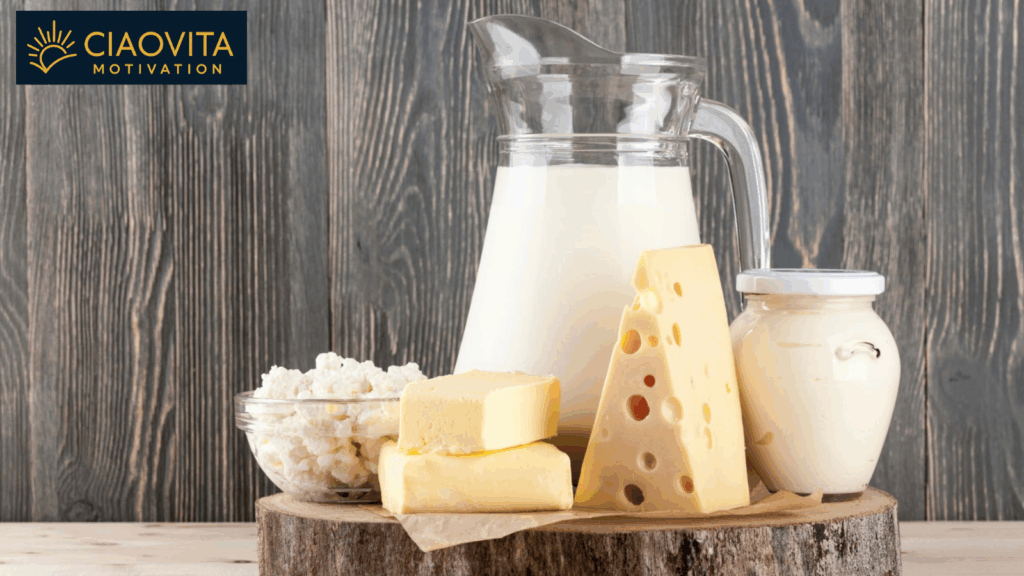
The Complete Science Based Guide to Milk's Nutritional Power
For thousands of years, milk has sustained human populations across every continent. Ancient civilizations revered this white liquid as sacred, and modern science reveals they were remarkably prescient. Recent comprehensive research demonstrates that milk represents one of nature’s most sophisticated nutritional delivery systems, containing a complex array of bioactive compounds that actively support human health in ways scientists are only beginning to fully understand.
The latest evidence from umbrella reviews and meta-analyses provides clarity on milk’s role in a healthy diet. These high-level analyses synthesize data from thousands of individual studies, offering the most reliable scientific evidence available. What they reveal challenges many long-held assumptions while confirming milk’s unique nutritional value for people across the lifespan.
The Comprehensive Nutritional Profile of Milk
When you drink a glass of milk, you consume far more than simple nutrients. You’re taking in a biologically active fluid containing proteins, fats, carbohydrates, vitamins, minerals, enzymes, growth factors, and thousands of bioactive peptides working together synergistically. This complexity distinguishes whole foods from isolated supplements and explains why protein supplementation cannot fully replicate milk’s benefits.
Milk’s structure demonstrates remarkable sophistication. Fats exist as tiny globules wrapped in protective membranes, while proteins form complex colloidal structures called micelles that enhance digestibility and nutrient absorption. This natural engineering maximizes bioavailability of essential nutrients your body needs daily.
Each cup of milk delivers approximately 8 grams of complete protein containing all nine essential amino acids. This makes milk protein the gold standard against which nutritionists measure all other protein sources. The protein quality rivals any food available, with exceptional biological value meaning your body can use virtually every amino acid provided.
Revolutionary Discovery: Bioactive Peptides Transform Our Understanding
Perhaps the most exciting recent scientific discovery involves bioactive peptides in milk. A comprehensive 2024 systematic review published in Foods identified over 3,200 distinct bioactive peptides derived from dairy products. These aren’t just protein fragments. They’re biologically active compounds that exert specific health effects in your body.
The largest category comprises antihypertensive peptides, particularly angiotensin-converting enzyme (ACE) inhibitors. These peptides work similarly to pharmaceutical blood pressure medications but without side effects. They inhibit the enzyme that constricts blood vessels, helping maintain healthy blood pressure naturally. Beta-casein serves as the principal precursor for these beneficial peptides, followed by alpha-s1-casein, beta-lactoglobulin, and alpha-lactalbumin.
Beyond blood pressure control, milk peptides demonstrate antimicrobial properties by binding iron that harmful bacteria need to survive. They exhibit antioxidant activity protecting cells from free radical damage, antidiabetic effects supporting glucose metabolism, and immunomodulatory functions enhancing immune system response. Some peptides even promote calcium absorption and bone health, creating synergistic effects with milk’s mineral content.
These peptides form during milk digestion and fermentation processes. Research shows they remain stable through gastrointestinal digestion, reaching tissues where they exert biological effects. This discovery explains mechanisms behind health benefits observed in population studies for decades.
Cardiovascular Health: Evidence Overturns Old Assumptions
For years, milk faced criticism due to saturated fat content, with recommendations favoring low-fat varieties. Recent comprehensive research fundamentally challenges these assumptions. A 2021 umbrella review published in Nutrition & Metabolism analyzed 41 meta-analyses examining 45 distinct health outcomes related to milk consumption. The findings proved remarkable.
Dose-response analyses revealed that each 200ml increment in daily milk intake associated with significantly lower disease risk. Specifically, moderate milk consumption correlated with 6% reduced cardiovascular disease risk, 7% lower stroke incidence, and 4% decreased hypertension risk. These associations held regardless of whether people consumed whole milk or reduced-fat varieties.
A 2025 Nature Communications study analyzing data from the China Kadoorie Biobank and UK Biobank found total dairy consumption associated with 3.7% reduced cardiovascular disease risk and 6% lower stroke risk. Notably, cheese and low-fat dairy products showed inverse associations with cardiovascular events.
Perhaps most surprising, a 2024 expert consensus published in the American Journal of Clinical Nutrition concluded that consumption of milk, yogurt, and cheese shows neutral associations with cardiovascular disease risk irrespective of fat content. The research panel found no evidence from randomized controlled trials that regular-fat dairy affects cardiometabolic risk factors differently than low-fat dairy.
This paradigm shift reflects improved understanding of how different fatty acids behave in your body. While milk contains saturated fat, it also provides unique fatty acids with protective properties. The type of cholesterol particles matters more than total levels, and milk fatty acids associate with fewer small dense LDL particles, the dangerous type linked to increased cardiovascular risk.
Bone Health: Beyond Simple Calcium Content
Most people associate milk with bone health due to calcium content. While this association holds true, the relationship proves far more sophisticated than simple mineral supplementation. Milk provides an ideal combination of nutrients supporting skeletal integrity throughout life.
Each cup delivers approximately 300mg of highly bioavailable calcium. However, absorption efficiency depends on adequate vitamin D, which fortified milk provides. Without sufficient vitamin D, your body absorbs only 10-15% of dietary calcium. With adequate vitamin D, absorption jumps to 30-40%. This synergistic relationship demonstrates why whole food sources outperform isolated supplements.
Milk also provides phosphorus in nearly perfect proportions with calcium. Together, these minerals form hydroxyapatite, the crystalline structure giving bones hardness and strength. Magnesium, potassium, and specific milk proteins further enhance calcium absorption and utilization.
A 2024 umbrella review examining dairy consumption and bone health outcomes synthesized evidence from multiple meta-analyses. The research found protective associations between dairy intake and osteoporosis risk, particularly with regular consumption during childhood and adolescence when peak bone mass develops. This early-life bone building creates a “bone bank” that protects against fragility fractures decades later.
Fermented dairy products show particularly strong bone protective effects. A 2019 study found fermented dairy consumption associated with reduced bone loss in postmenopausal women, independent of total calcium and protein intake. The probiotics in fermented dairy may enhance mineral absorption while reducing inflammation that contributes to bone breakdown.
Metabolic Health Benefits Extend Beyond Traditional Nutrients
Recent research reveals milk’s impact on metabolic health extends beyond its nutritional composition. The 2021 umbrella review found each 200ml daily milk increment associated with lower risks of metabolic syndrome, obesity, and type 2 diabetes.
Multiple mechanisms explain these associations. Milk’s protein content promotes satiety, reducing overall calorie consumption. The calcium may bind dietary fat in the intestines, reducing absorption. Bioactive peptides demonstrate antidiabetic properties by inhibiting enzymes involved in glucose metabolism. Dairy consumption also associates with beneficial changes in gut microbiome composition.
A 2023 network meta-analysis published in Advances in Nutrition compared effects of different dairy products on cardiometabolic markers. The research found dairy consumption generally improved or showed neutral effects on blood pressure, lipid profiles, and glucose metabolism markers. Different dairy products showed varying effects, with fermented varieties demonstrating particularly strong benefits.
Protein Quality Matters: Understanding Casein and Whey
Milk’s protein content deserves special attention due to exceptional quality and unique characteristics. The protein comprises approximately 80% casein and 20% whey, each with distinct properties that complement each other perfectly.
Casein digests slowly, providing sustained amino acid release over several hours. This slow release maintains muscle protein synthesis for extended periods, making casein particularly valuable before sleep or between meals. Research shows overnight casein consumption supports muscle protein synthesis during sleep, contributing to muscle growth and recovery.
Whey protein digests rapidly, delivering quick amino acid availability. This makes whey ideal post-exercise when muscles need immediate amino acid supply for repair and growth. The combination of fast and slow proteins in milk provides both immediate recovery support and sustained muscle maintenance, explaining why milk consumption after resistance exercise enhances muscle protein synthesis more effectively than many other protein sources.
For athletes and active individuals, milk offers a complete recovery beverage providing fluid, electrolytes, carbohydrates for glycogen restoration, and high-quality protein for muscle repair. Research consistently demonstrates milk’s effectiveness as a post-exercise recovery drink.
Beyond muscle, milk protein provides amino acids necessary for producing enzymes, hormones, antibodies, and countless other proteins essential for life. The protein supports immune function, helps regulate blood pressure through bioactive peptides, and provides building blocks for tissues throughout your body.
Immune System Support Through Multiple Mechanisms
Milk naturally contains numerous components actively supporting immune function. Immunoglobulins, which are antibodies, help neutralize harmful microorganisms. These proteins represent your immune system’s first line of defense against infections.
Lactoferrin, a whey protein, demonstrates powerful antimicrobial properties by binding iron that pathogenic bacteria require for survival. This protein also modulates immune responses, helping balance inflammatory reactions. Research shows lactoferrin effective against various bacteria, viruses, and fungi.
The high-quality protein in milk provides amino acids necessary for producing immune cells, antibodies, and other immune system components. Specific vitamins and minerals in milk directly support immune function. Vitamin A maintains mucous membrane integrity, vitamin D regulates immune cell function, and zinc supports immune cell development and activity.
Emerging research suggests dairy consumption may influence immune function through effects on gut microbiome composition. The gut microbiome plays crucial roles in immune system development and function, and dietary patterns significantly influence microbial communities.
The Vitamin and Mineral Treasure Within Each Glass
While calcium receives most attention, milk provides essential vitamins and minerals supporting virtually every body system. One cup delivers approximately 18% of daily vitamin B12 needs, crucial for nerve function, red blood cell formation, and DNA synthesis. This makes milk particularly valuable for people limiting meat consumption while including dairy.
Riboflavin (vitamin B2) supports energy metabolism and maintains healthy skin, eyes, and nervous system. Vitamin A, added through fortification in reduced-fat milk, supports vision, immune function, and cell growth. Pantothenic acid (vitamin B5) participates in hormone production and stress management.
Potassium helps regulate blood pressure by counteracting sodium effects while supporting proper muscle and nerve function. Most Americans consume insufficient potassium, making milk’s contribution particularly valuable for cardiovascular health. Magnesium participates in over 300 enzymatic reactions, supporting muscle and nerve function, maintaining steady heart rhythm, and keeping bones strong.
Selenium acts as a powerful antioxidant protecting cells from free radical damage. Iodine supports thyroid function and metabolism regulation. These minerals exist in forms your body recognizes and absorbs efficiently, with milk’s proteins enhancing mineral bioavailability.
The synergistic relationships between nutrients in milk create benefits that isolated supplements cannot replicate. Vitamins and minerals work together, enhancing each other’s absorption and effectiveness. This nutrient cooperation represents a hallmark of whole foods and explains why dietary patterns emphasizing whole foods consistently show superior health outcomes compared to supplement-heavy approaches.
Understanding Fat Content: The Nuanced Reality
The debate over full-fat versus low-fat dairy has dominated nutrition discussions for decades. Recent high-quality evidence provides clarity, though the answer proves more nuanced than simple recommendations suggest.
Milk fat contains over 400 different fatty acids, each behaving differently in your body. While milk contains significant saturated fat, specific saturated fatty acids demonstrate neutral or even beneficial health effects. Butyric acid may support cancer prevention and gene function regulation. Caprylic and lauric acids show antiviral and antibacterial properties. Some milk fatty acids even kill Helicobacter pylori, bacteria associated with stomach ulcers.
Large epidemiological studies fail to show higher disease risk in people consuming full-fat dairy. Multiple Swedish studies found cardiovascular risk factors were actually negatively associated with milk fat intake, suggesting protective rather than harmful effects. This unexpected finding prompted researchers to examine mechanisms more carefully.
Recent research reveals the type of cholesterol particles matters more than total levels. Small, dense LDL particles strongly associate with cardiovascular disease risk. Large, fluffy LDL particles pose minimal risk despite contributing to total LDL cholesterol. Fatty acids found in dairy products associate with fewer small dense LDL particles, potentially improving cholesterol particle profiles rather than worsening them.
A 2024 expert consensus concluded that evidence doesn’t support differentiation between regular-fat and low-fat dairy foods in dietary guidelines. Both show similar associations with cardiovascular outcomes, and randomized trials show no significant differences in cardiometabolic risk factor responses. The choice between full-fat and reduced-fat milk should depend on individual health profiles, preferences, and overall dietary patterns rather than blanket recommendations.
Practical Considerations: Individual Variation Matters
While milk offers remarkable nutritional benefits, individual responses vary significantly. Lactose intolerance affects a substantial portion of the global population, though many people with lactose intolerance can tolerate small amounts or lactose-free alternatives. Lactase-treated milk provides full nutritional benefits without digestive discomfort.
Milk allergy, distinct from lactose intolerance, involves immune system reactions to milk proteins and requires complete avoidance. People with confirmed milk allergy must eliminate all dairy products and carefully read food labels.
For most people who tolerate dairy, moderate milk consumption provides evidence-based health benefits. The research consistently shows positive or neutral associations with major chronic diseases. However, individual needs differ based on age, activity level, health status, and overall dietary patterns.
The decision to include milk should consider your complete diet quality, not isolated foods. Milk works best as part of dietary patterns emphasizing whole foods, adequate fruits and vegetables, whole grains, and lean proteins. The Mediterranean diet, which includes moderate dairy consumption, consistently shows superior health outcomes in research.
The Bottom Line: Evidence-Based Milk Recommendations
Modern research reveals milk as a sophisticated nutritional package offering unique combinations of high-quality protein, bioavailable minerals, essential vitamins, and thousands of bioactive peptides working synergistically to support health. The evidence challenges previous assumptions about dairy fat while confirming benefits for bone health, cardiovascular function, metabolic health, and immune support.
Each 200ml daily serving associates with measurable health benefits across multiple outcome measures. The protein quality sets the gold standard, the calcium absorption rate exceeds most plant sources, and bioactive peptides exert specific physiological effects impossible to obtain from individual nutrients alone.
Individual tolerances and preferences should guide consumption patterns, but for those who tolerate dairy, moderate milk intake represents an evidence-based strategy supporting long-term health. The key lies in understanding your personal health profile, consulting healthcare providers when necessary, and paying attention to how your body responds.
Whether you choose whole milk, reduced-fat options, lactose-free varieties, or decide dairy doesn’t fit your needs, make informed decisions based on comprehensive scientific evidence rather than outdated assumptions or marketing claims. Your health deserves nothing less than evidence-based nutrition supported by the highest quality research available.
References
- Zhang X, Chen X, Xu Y, Yang J, Du L, Li K, Zhou Y. Milk consumption and multiple health outcomes: umbrella review of systematic reviews and meta-analyses in humans. Nutr Metab (Lond). 2021;18(1):7.
- Bioactive Peptides from Dairy Products: A Systematic Review of Advances, Mechanisms, Benefits, and Functional Potential. Foods. 2024;6(6):65.
- Nielsen SD, Liang N, Rathish H, Kim BJ, Lueangsakulthai J, Koh J, et al. Bioactive milk peptides: an updated comprehensive overview and database. Crit Rev Food Sci Nutr. 2024;64(31):11510-29.
- Lamarche B, Givens DI, Soedamah-Muthu S, Krauss RM, Jakobsen MU, Brassard D, et al. Regular-fat and low-fat dairy foods and cardiovascular diseases: perspectives for future dietary recommendations. Am J Clin Nutr. 2025.
- Chen Z, Ahmed S, Wang H, Wang D, Li X, Pan H, et al. A global analysis of dairy consumption and incident cardiovascular disease. Nat Commun. 2025;16:555.
- Matía-Martín P, Torrego-Ellacuría M, Larrad-Sainz A, Fernández-Caleya LM, De Rufino-Rivas P, Rubio-Herrera MA. Effects of milk and dairy products on the prevention of osteoporosis and osteoporotic fractures in Europeans and non-Hispanic Whites from North America: a systematic review and updated meta-analysis. Adv Nutr. 2019;10(Suppl 2):S120-S143.
- Kiesswetter E, Stadelmaier J, Petropoulou M, Morze J, Grummich K, Roux I, et al. Effects of dairy intake on markers of cardiometabolic health in adults: a systematic review with network meta-analysis. Adv Nutr. 2023;14(3):438-50.
- Wallace TC, Bailey RL, Lappe J, O’Brien KO, Wang DD, Sahni S, et al. Dairy intake and bone health across the lifespan: a systematic review and expert narrative. Crit Rev Food Sci Nutr. 2021;61(21):3661-07.
© 2025 Alice & Marcus Guimarães. All rights reserved.This site is proudly created with WordPress.