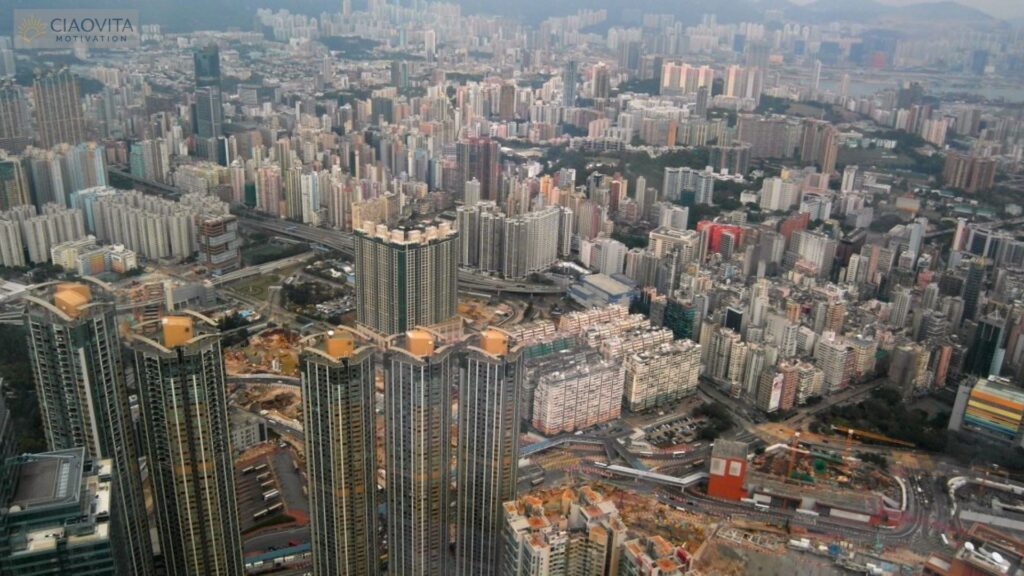
Air Quality in Cities: The Silent Killer Affecting Billions.
How Urban Pollution Threatens Your Health Daily
Air pollution in cities represents the most widespread and deadly environmental health threat facing humanity, silently damaging the lungs, hearts, brains, and overall wellness of 4.2 billion urban dwellers who breathe air quality that fails World Health Organization guidelines. Cities occupy just 3% of Earth’s land surface yet account for 60-80% of energy consumption and 75% of carbon emissions, creating concentrated toxic atmospheres that kill millions annually while imposing enormous healthcare costs and reducing quality of life for billions more. Understanding urban air pollution matters because the number of people exposed continues growing as urbanization accelerates, with most future city growth occurring in developing countries that currently lack adequate air quality monitoring and pollution control infrastructure.
Research examining air pollution across global cities reveals that the health crisis affects all continents but hits developing regions hardest. Studies documenting air quality in African megacities show that air pollution causes 1.1 million deaths annually across the continent, with household air pollution accounting for two-thirds and ambient air pollution one-third of this burden. However, these percentages will shift dramatically as rapid urbanization and industrialization accelerate. In the next 25 to 50 years, African megacities will experience significant increases in air pollution-related health risks unless governments implement comprehensive control strategies.
Between 2000 and 2019, nearly half of all global heat and pollution-related deaths occurred in the Asia-Pacific region, where megacities concentrate extreme population density alongside weak environmental regulations. The combination of vehicle emissions, industrial discharge, construction dust, and meteorological conditions creates dangerous pollution levels that exceed WHO standards by factors of 5-10 in many Asian cities. This invisible threat contributes to cardiovascular disease, respiratory illnesses, cancer, cognitive decline, and premature death on scales that dwarf most infectious disease outbreaks.
The deadly components of urban air pollution
Urban air contains a complex mixture of pollutants that damage human health through multiple mechanisms, with particulate matter representing the most dangerous component due to its ability to penetrate deep into lungs and enter the bloodstream. Particulate matter comes in different sizes measured in micrometers, with PM2.5 (particles smaller than 2.5 micrometers) and PM10 (particles smaller than 10 micrometers) receiving the most attention from health researchers and regulators. These tiny particles originate from vehicle exhaust, industrial emissions, construction activities, wood burning, and natural sources like dust storms.
Research examining particulate matter health effects demonstrates that PM2.5 causes the most severe damage because its microscopic size allows penetration into the deepest lung tissues and absorption into blood vessels. Once in the bloodstream, these particles trigger inflammation throughout the body, damage blood vessel walls, promote blood clot formation, and contribute to atherosclerosis. Studies link PM2.5 exposure to increased risks of heart attacks, strokes, arrhythmias, heart failure and cardiovascular mortality. The inflammatory cascade triggered by particulate matter also affects brain function, with research showing associations between air pollution and cognitive decline, dementia, depression, and anxiety.
Nitrogen dioxide represents another critical urban pollutant primarily generated by vehicle combustion and power generation. This reddish-brown gas irritates airways, reduces lung function, increases susceptibility to respiratory infections, and aggravates asthma and chronic obstructive pulmonary disease. Research analyzing nitrogen dioxide exposure patterns shows that concentrations peak near major roadways, exposing pedestrians, cyclists, and residents of street-level apartments to dangerous levels. Children attending schools located near busy roads show reduced lung development and higher asthma rates compared to children at schools in less polluted areas.
Sulfur dioxide emissions from coal burning and industrial processes create respiratory irritation and contribute to acid rain that damages ecosystems and building materials. Although sulfur dioxide levels have declined in many developed countries due to clean air regulations and shifts away from coal, concentrations remain dangerously high in rapidly industrializing cities. Carbon monoxide from incomplete combustion reduces oxygen delivery to tissues, causing fatigue, impaired cognitive function and in high concentrations, death. Ground-level ozone forms when nitrogen oxides and volatile organic compounds react in sunlight, creating smog that damages lung tissue and reduces respiratory capacity.
How air pollution destroys your health
The mechanisms through which air pollution damages human health operate at cellular, organ and systemic levels, creating cascading effects that accumulate over time and accelerate aging processes. When particulate matter and gaseous pollutants enter the respiratory system, they trigger immediate inflammatory responses as immune cells attempt to neutralize foreign particles. This inflammation damages delicate lung tissue, reduces gas exchange efficiency and creates scarring that permanently impairs respiratory function. Studies examining lung development in children exposed to high pollution levels document reduced lung capacity that persists into adulthood, limiting exercise tolerance and increasing vulnerability to respiratory diseases.
The cardiovascular effects of air pollution extend far beyond direct lung damage through complex pathways that researchers continue investigating. Particulate matter absorbed into the bloodstream activates inflammatory cascades throughout the vascular system, promoting atherosclerotic plaque formation and destabilization. Research shows that short-term increases in air pollution trigger heart attacks and strokes in vulnerable individuals through mechanisms including increased blood pressure, altered heart rhythm, enhanced blood clotting and acute vascular inflammation. Long-term exposure accelerates atherosclerosis development, contributing to the chronic cardiovascular disease burden that represents the leading cause of death globally.
Recent research reveals disturbing evidence that air pollution affects brain health and cognitive function through direct and indirect mechanisms. Fine particulate matter can cross the blood-brain barrier, allowing particles and associated toxins to enter brain tissue where they trigger neuroinflammation and oxidative stress. Studies examining cognitive function in children exposed to high pollution levels show reduced performance on tests measuring attention, memory and executive function. Research on older adults links air pollution exposure to accelerated cognitive decline, increased dementia risk and brain changes visible on imaging studies that resemble Alzheimer’s disease pathology.
The cancer risks associated with air pollution receive extensive documentation in epidemiological studies worldwide. The International Agency for Research on Cancer classifies outdoor air pollution and particulate matter as Group 1 carcinogens, meaning sufficient evidence confirms they cause cancer in humans. Research links air pollution to increased risks of lung cancer in non-smokers, with some studies suggesting that urban air pollution contributes more to global lung cancer burden than occupational exposures. Emerging evidence also suggests associations between air pollution and cancers of the bladder, breast, and digestive system, though these relationships require further investigation.
Environmental injustice concentrates pollution exposure
Air pollution does not affect all urban residents equally, with low-income neighborhoods and communities of color typically experiencing far higher exposure levels than wealthy areas within the same cities. This environmental injustice stems from historical and ongoing patterns of discriminatory land use planning, housing segregation, and political marginalization that concentrate pollution sources in disadvantaged communities while directing clean air amenities to privileged neighborhoods. Research examining pollution exposure patterns across urban areas consistently documents stark disparities that translate directly into health inequities.
Studies analyzing air quality monitoring data show that industrial facilities, highways, truck routes, waste processing plants and other pollution sources concentrate in low-income neighborhoods and communities of color. Zoning decisions that allow heavy industry and major transportation corridors in residential areas typically affect neighborhoods with limited political power to resist harmful land uses. Historical redlining practices that denied mortgage access to Black neighborhoods created patterns of segregation that persist today, with formerly redlined areas showing higher pollution levels and worse health outcomes decades after discriminatory lending officially ended.
The health consequences of pollution exposure disparities are profound and measurable. Research comparing asthma rates across neighborhoods within cities shows dramatically higher prevalence in polluted areas, with some communities experiencing pediatric asthma rates 5-10 times the city average. Studies examining cardiovascular mortality patterns reveal similar disparities, with residents of heavily polluted neighborhoods dying from heart disease at younger ages than residents of cleaner areas. Cancer clusters appear in communities near industrial facilities, though definitively linking specific exposures to cancer cases remains challenging.
Children in polluted neighborhoods face particularly severe risks because their developing lungs and brains are more vulnerable to toxic exposures. Research examining child development in high-pollution areas documents reduced lung function, impaired cognitive development, higher rates of respiratory infections, and increased school absences compared to children in cleaner environments. These early life exposures create health disadvantages that compound over time, contributing to reduced educational achievement, limited economic opportunities, and shorter life expectancy.
However, environmental justice movements increasingly succeed in demanding air quality improvements in historically neglected communities. Grassroots organizing, community-based participatory research, environmental monitoring by residents, legal challenges to discriminatory policies, and political mobilization achieve victories including shutting down polluting facilities, rerouting truck traffic, creating buffer zones between industry and housing, and prioritizing clean air investments in disadvantaged areas.
Vehicle emissions dominate urban pollution sources
Transportation represents the largest single source of air pollution in most cities worldwide, with cars, trucks, buses, motorcycles and other vehicles releasing complex mixtures of particulate matter, nitrogen oxides, carbon monoxide, volatile organic compounds and other pollutants that concentrate along roadways and disperse throughout urban areas. Research examining pollution source contributions shows that transportation typically accounts for 30-60% of urban air pollution, with percentages varying based on local industrial activity, heating fuels and geographic factors.
The shift toward diesel engines in many countries created particularly severe pollution challenges because diesel combustion generates high levels of fine particulate matter and nitrogen oxides that damage respiratory and cardiovascular health. Studies comparing health outcomes in cities with different vehicle fuel mixes demonstrate that areas with high diesel vehicle penetration show elevated rates of lung disease, heart attacks and premature mortality. The particulate matter from diesel exhaust contains toxic compounds including polycyclic aromatic hydrocarbons that contribute to cancer risk.
Traffic congestion amplifies pollution exposure through multiple mechanisms. Vehicles idling in traffic jams burn fuel inefficiently while releasing emissions directly into breathing zones of pedestrians, cyclists and other motorists. The street canyon effect in cities with tall buildings along roadways traps pollution at ground level, creating extremely high concentrations that exceed citywide averages by factors of 2-5. Research measuring personal exposure to air pollution shows that time spent in traffic or near major roads contributes disproportionately to total daily exposure despite representing a small fraction of total time.
However, comprehensive strategies can dramatically reduce transportation-related air pollution even in dense cities with heavy traffic volumes. Public transit expansion reduces the number of individual vehicles while moving people more efficiently. Bicycle and pedestrian infrastructure enables active transportation that produces zero direct emissions. Electric vehicle adoption eliminates tailpipe emissions, with air quality benefits depending on how electricity is generated. Traffic management strategies that reduce congestion, limit truck routes in residential areas and create low-emission zones achieve measurable air quality improvements.
Industrial emissions require strict regulation and enforcement
Industrial facilities including power plants, manufacturing operations, refineries and chemical plants release enormous quantities of pollutants that affect air quality across entire urban regions and require comprehensive regulation to protect public health. Research examining industrial pollution sources shows these facilities emit sulfur dioxide, nitrogen oxides, particulate matter, volatile organic compounds, heavy metals and toxic air pollutants that contribute to respiratory disease, cardiovascular conditions, cancer and neurological damage in exposed populations.
The concentration of heavy industry in developing country cities creates particularly severe air quality challenges as governments balance economic development priorities against health protection. Studies documenting pollution levels in industrial cities across Asia, Africa and Latin America show concentrations of pollutants that exceed WHO guidelines by factors of 10-20, creating toxic atmospheres that shorten lives by years and burden healthcare systems with preventable disease. Coal-fired power plants represent especially problematic sources because they release enormous volumes of particulate matter, sulfur dioxide, and mercury that affect populations across large areas.
Research examining the effectiveness of industrial emission controls demonstrates that strict regulations combined with consistent enforcement can achieve dramatic air quality improvements. Regulations requiring installation of pollution control equipment, fuel quality standards, emission limits for specific pollutants, continuous monitoring systems and penalties for violations push industries to adopt cleaner technologies. Studies comparing air quality in cities with strong versus weak industrial regulations show that comprehensive approaches reduce pollution concentrations by 50-80% while often improving industrial efficiency and competitiveness through modernization.
The transition away from coal toward cleaner energy sources represents the single most effective strategy for reducing industrial air pollution in cities that rely heavily on coal for power generation and heating. Research examining air quality changes in cities that closed coal plants or converted to natural gas documents rapid improvements in particulate matter, sulfur dioxide, and other pollutants within months of fuel switching. The health benefits appear immediately, with studies showing reduced emergency room visits for asthma and heart attacks, lower respiratory infection rates and declining cardiovascular mortality following coal phase-outs.
Beijing demonstrates that comprehensive policies work
The transformation of air quality in Beijing, China between 2013 and 2017 demonstrates that comprehensive, coordinated policies can achieve dramatic pollution reductions even in megacities with severe air quality challenges. The Beijing Clean Air Action Plan implemented strict regulations on urban development intensity, population size, vehicle ownership, industrial emissions and coal consumption while investing heavily in public transit, renewable energy and emission monitoring. Research analyzing the plan’s outcomes shows reductions of 34% in PM2.5, 24% in PM10, 17% in nitrogen dioxide, 68% in sulfur dioxide, and 33% in carbon monoxide over just five years.
The multifaceted approach addressed pollution from all major sources simultaneously rather than targeting individual sectors in isolation. Industrial facilities faced strict emission limits and requirements to install advanced pollution control equipment or shut down. Coal consumption in the Beijing region declined dramatically through conversions to natural gas and electricity for heating, closure of coal-fired power plants and restrictions on coal use. Vehicle emission standards tightened while authorities implemented a lottery system to limit new vehicle registrations and expanded public transit dramatically.
Studies examining health outcomes following Beijing’s air quality improvements document measurable benefits including reduced respiratory symptoms, lower hospital admissions for cardiovascular and respiratory conditions, improved lung function in children and declining air pollution-related mortality. The economic analysis shows that health benefits and reduced healthcare costs substantially exceed the considerable investments in pollution control, demonstrating that clean air policies generate positive returns even when excluding environmental and climate benefits.
However, Beijing’s success required unprecedented political will, massive financial investments and coordination across multiple government agencies that many cities cannot easily replicate. The authoritarian governance structure enabled rapid implementation of measures that would face political opposition in democratic contexts. The concentration of national government attention and resources in the capital provided advantages unavailable to other Chinese cities or developing country urban areas. Nevertheless, the Beijing experience proves that dramatic air quality improvements are technically and economically feasible when governments prioritize public health.
Individual actions provide limited protection
While systemic policy changes represent the only effective long-term solutions to urban air pollution, individuals can take steps to reduce personal exposure and minimize health risks, though these actions provide incomplete protection and should never substitute for demanding clean air policies. Research examining exposure reduction strategies shows that some interventions measurably reduce pollutant intake while others provide minimal benefits or create false security.
Indoor air filtration systems can substantially reduce particulate matter exposure in homes and offices when properly sized, maintained and used continuously. Studies measuring particulate matter concentrations in filtered versus unfiltered indoor environments show reductions of 40-80% with high-efficiency particulate air filters. However, filtration provides no protection during outdoor activities and requires continuous operation to maintain benefits. The costs of purchasing and operating filtration systems place this protection beyond reach for many low-income families who face the highest pollution exposures.
Timing outdoor exercise to avoid peak pollution hours provides modest exposure reduction in some cities where pollution concentrations vary predictably throughout the day. Research measuring pollution patterns shows that concentrations often peak during morning and evening rush hours while falling overnight and midday in cities where traffic dominates pollution sources. However, in cities where industrial emissions or geographic factors control pollution levels, timing strategies provide minimal benefit. The health benefits of regular physical activity far exceed the risks from pollution exposure for most individuals, meaning that avoiding exercise due to pollution concerns likely harms health overall.
Face masks designed to filter particulate matter can reduce exposure when properly fitted and consistently used, though effectiveness varies enormously based on mask type and fit. Research testing different mask designs shows that N95 respirators and similar devices filter 95% of particulate matter when properly fitted, while cloth masks and surgical masks provide minimal protection against fine particles. However, N95 masks are uncomfortable for extended wear, expensive to replace regularly, and work only when properly fitted without gaps. Studies examining real-world mask use show that most people wear masks inconsistently and improperly, limiting actual protection.
Air quality monitoring apps and websites enable people to check pollution levels and plan activities accordingly, though this information awareness strategy does not reduce overall exposure for individuals who cannot modify work schedules, commutes or outdoor responsibilities based on pollution forecasts. Research shows that pollution alerts lead some people to reduce outdoor exercise or keep children inside on high pollution days, potentially providing modest health benefits. However, the ability to respond to air quality information correlates with socioeconomic status, with wealthier individuals better able to modify schedules, work from home, or use air conditioning and filtration.
Conclusion
Air pollution in cities represents a preventable public health catastrophe affecting 4.2 billion people who breathe toxic air that damages every organ system and shortens lives by years. Research documenting this global crisis reveals that cities occupying just 3% of Earth’s land produce 75% of carbon emissions while exposing residents to particulate matter, nitrogen dioxide, sulfur dioxide and other pollutants that kill millions annually and impair the health of billions more. The burden falls heaviest on children, elderly residents, and low-income communities of color who experience the highest exposures while possessing the fewest resources to protect themselves.
The components of urban air pollution include particulate matter that penetrates deep into lungs and bloodstream, nitrogen dioxide from vehicle exhaust that inflames airways, sulfur dioxide from industrial facilities that damages respiratory tissue, and ozone that forms in sunlight from precursor pollutants. These substances cause immediate and long-term harm including respiratory disease, cardiovascular conditions, cancer, cognitive decline, pregnancy complications, and premature death through mechanisms that researchers increasingly understand. Environmental injustice concentrates exposure in disadvantaged neighborhoods through discriminatory land use patterns that place highways, industrial facilities, and pollution sources in communities lacking political power to resist.
Vehicle emissions dominate pollution sources in most cities, with cars, trucks, and buses releasing complex toxic mixtures that concentrate along roadways and disperse throughout urban areas. Industrial facilities contribute enormous volumes of pollutants requiring strict regulation and consistent enforcement to control. The success of Beijing’s comprehensive Clean Air Action Plan demonstrates that dramatic pollution reductions of 34-68% are achievable within five years when governments implement coordinated policies addressing all major sources while investing in alternatives.
Individual protective actions including air filtration, timing outdoor activities, using masks, and monitoring air quality provide limited, incomplete protection that cannot substitute for systemic policy solutions. The evidence overwhelmingly shows that clean air requires political action including strict emission standards, enforcement mechanisms, public transit expansion, vehicle electrification, industrial facility upgrades, coal phase-outs, and green infrastructure investments. Demanding these evidence-based policies from elected officials represents the most effective action individuals can take to protect their health and the health of billions breathing toxic urban air.
References
- World Health Organization. Urban health. Geneva: WHO; 2024.
- Matthaios VN, Pope D, Koutrakis P, Olopade CO, North CM. The struggle against air pollution in African megacities and the hidden problems for the estimation of the burden of disease. Glob Chall. 2025;9(10):e00108.
- United Nations Department of Economic and Social Affairs. World Urbanization Prospects 2025: Summary of Results. New York: UN DESA; 2025.
- Health Effects Institute. State of Global Air 2024. Boston: HEI; 2024.
- Zhang Y, Huang W, London SJ, Song G, Chen G, Jiang L, et al. Ozone and daily mortality in Shanghai, China. Environ Health Perspect. 2006;114(8):1227-32.
- Pope CA, Dockery DW. Health effects of fine particulate air pollution: lines that connect. J Air Waste Manag Assoc. 2006;56(6):709-42.
- Guo Y, Zeng H, Zheng R, Li S, Pereira G, Liu Q, et al. The burden of lung cancer mortality attributable to fine particles in China. Sci Total Environ. 2017;579:1460-66.
© 2025 Alice & Marcus Guimarães. All rights reserved.This site is proudly created with WordPress.