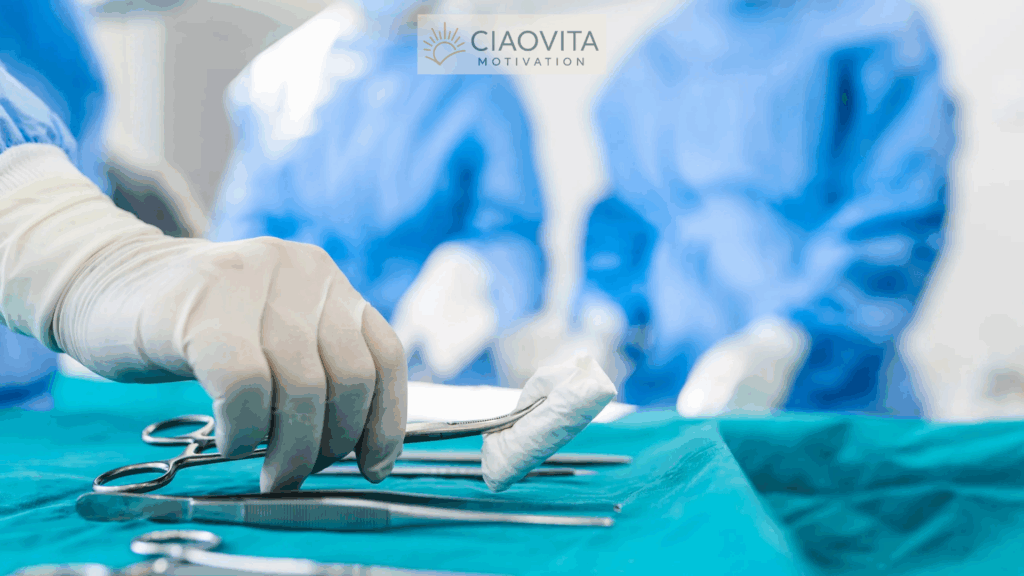
Cartilage Surgery Recovery: The Return to Sport Challenge
What Athletes Need to Know About Getting Back in the Game
When an athlete injures the cartilage in their knee, one question dominates their mind: “When can I play again?” New research from 2025 analyzing nearly 2,400 athletes reveals the reality is far more complex than a simple timeline. The journey from surgery to peak performance involves not just physical healing but psychological readiness, rehabilitation quality and procedure selection.
Cartilage damage in the knee creates unique challenges. Unlike broken bones that heal predictably through natural processes, cartilage has extremely limited ability to repair itself. The tissue lacks blood vessels, which means damaged areas can’t receive the nutrients and healing factors that bones access readily. This fundamental biological limitation forces athletes into tough decisions about surgical intervention.
Understanding modern cartilage restoration procedures
Several surgical techniques exist to address cartilage damage, each with distinct advantages and recovery demands. Microfracture remains one of the most common approaches because surgeons can perform it in a single procedure without harvesting tissue. The surgeon creates tiny holes in the bone beneath damaged cartilage, triggering bleeding that brings stem cells to the area. These cells form repair tissue, but this tissue is fibrocartilage rather than the smooth, durable hyaline cartilage that naturally covers joint surfaces.
Osteochondral autograft transfer (OATS) involves transplanting cylindrical plugs of healthy cartilage from non-weight-bearing areas of your knee to damaged regions. This approach uses your own tissue, eliminating rejection risk. Recent data shows this procedure achieves return to sport rates near 89%, the highest among all techniques. Athletes typically return to competition in approximately five months, making it the fastest recovery option.
For larger defects, surgeons may recommend osteochondral allograft transplantation, which uses donor cartilage to restore the joint surface. This restores actual hyaline cartilage but requires finding appropriately sized tissue from donors. Research analyzing professional athletes found that while this technique shows promise, long-term performance data remains limited.
Matrix-assisted chondrocyte implantation (MACI) represents the most sophisticated current approach. Surgeons harvest your cartilage cells during an initial procedure, send them to a laboratory where they grow on a special scaffold, then implant this tissue-engineered construct weeks later. This two-stage procedure demands more time, with athletes averaging nearly 12 months before returning to sport. However, recent meta-analysis reveals MACI provides 2.15 times better odds of returning at your pre-injury competitive level compared to traditional approaches.
Similar to how platelet-rich plasma treatments harness your body’s natural healing factors, these cartilage procedures attempt to recreate or replace damaged tissue through different mechanisms.
The return to sport reality check
A comprehensive 2025 systematic review analyzing 2,387 athletes found an overall return to sport rate of 80.3%. These numbers sound encouraging until you examine performance level. The critical detail that surgeons often don’t emphasize enough is the gap between returning to athletic activity and returning at your previous competitive level.
Studies of professional athletes paint a sobering picture. In a meta-analysis of 476 professional athletes, 84.3% successfully returned to professional competition at an average of 39.9 weeks postoperatively. However, when researchers analyzed competition level achieved, the majority returned at performance levels below their pre-injury state. This pattern appears consistent across basketball, football, soccer and other high-demand sports.
The disparity between return rates and performance recovery raises important questions. Some athletes struggle with residual symptoms like pain or swelling during explosive movements. Others feel psychologically hesitant, worried about re-injury after investing months in rehabilitation. The prolonged recovery process itself can be mentally exhausting, potentially shifting life priorities during that extended timeframe.
Research specifically examining psychological factors reveals that fear of re-injury represents the primary barrier preventing athletes from returning to competitive sport. Even when tissue heals successfully and objective tests show adequate strength and range of motion, many athletes cannot overcome the mental hurdle of trusting their repaired knee under game conditions.
Professional athletes face unique pressures that recreational athletes don’t experience. Contract negotiations may pressure premature return before complete healing occurs. Team roster decisions can eliminate opportunities even when physical recovery succeeds. Career longevity concerns might encourage earlier retirement rather than risking additional injury through continued high-level competition.
The rehabilitation protocol problem
One of the most striking findings from recent systematic reviews is the massive variation in rehabilitation protocols across different surgeons and medical institutions. This inconsistency creates confusion for patients trying to understand what recovery should look like.
Most protocols agree on starting range of motion exercises early, typically within the first week after surgery. This consistency reflects strong evidence from basic science studies showing that early controlled movement promotes better cartilage healing. Gentle motion helps with nutrient delivery to the repair site through fluid exchange, prevents joint stiffness and maintains muscle activation patterns that would otherwise atrophy rapidly.
The real divergence appears in weightbearing progression, one of the most controversial aspects of cartilage surgery rehabilitation. Some surgeons allow patients to place full weight on their operated leg immediately after certain procedures. Others enforce six weeks or more of protected weightbearing using crutches. For microfracture and cell implantation procedures, many protocols recommend avoiding full weightbearing until six weeks postoperatively, then gradually increasing load over subsequent weeks. Osteochondral transplant protocols often permit more rapid progression, with many patients advancing to full weightbearing by six weeks without an intermediate protected phase.
This variability likely reflects different philosophical approaches to protecting the repair site versus encouraging functional recovery. Conservative protocols aim to minimize mechanical stress during early healing phases, theoretically reducing the risk of repair tissue failure. Aggressive protocols prioritize earlier functional mobility, which may benefit psychological recovery and prevent complications like muscle atrophy, joint stiffness or altered movement patterns that become difficult to correct later.
Just as physical activity approaches must balance activity with protection, cartilage surgery rehabilitation requires this same delicate equilibrium.
The missing piece: clear return to play guidelines
Perhaps the most concerning gap in current cartilage surgery care involves the lack of standardized criteria for clearing athletes to return to full competition. Most protocols rely primarily on time-based guidelines, typically allowing return between four and twelve months depending on the procedure. About half of all protocols studied permit return at six months postoperatively.
This time-based approach has obvious limitations that any experienced clinician recognizes. Healing rates vary tremendously between individuals based on age, general health status, lesion characteristics, surgical technique quality and rehabilitation adherence. Using only calendar dates to determine readiness ignores these crucial individual factors.
More sophisticated protocols incorporate functional assessments, but these remain uncommon in practice. Some surgeons evaluate strength parameters, requiring patients to demonstrate certain thresholds of quadriceps and hamstring power before clearing them for sport. Others use advanced imaging studies to confirm healing quality at the repair site before allowing high-impact activities. Pain assessment and range of motion restoration represent additional considerations, though few protocols formalize these into objective return-to-play criteria.
Athletes need individualized assessment that extends beyond counting weeks on a calendar. Functional testing should evaluate sport-specific movements, not just generic gym-based exercises. A soccer player needs different assessment than a basketball player, and both differ from what a distance runner requires. Psychological readiness deserves formal attention, as fear of re-injury can impair performance even when physical healing appears complete.
Advanced imaging techniques like T2 mapping using MRI may eventually help surgeons assess repair tissue quality objectively before clearing patients for unrestricted activity. This technology can evaluate the biochemical composition of repair tissue, potentially distinguishing between high-quality repair that will withstand athletic demands and lower-quality tissue that might fail under stress.
Lessons from professional athlete outcomes
Studies examining professional basketball players provide valuable insights into real-world outcomes that general statistics might obscure. Approximately 80% of NBA players who underwent microfracture surgery returned to professional competition. However, detailed analysis of their statistical performance revealed declines compared to pre-injury levels, even among those who successfully returned to the court.
This pattern appears across multiple sports and surgical procedures. The ability to participate in competition doesn’t necessarily translate to performing at peak capacity. Reduced explosiveness, decreased endurance, altered movement patterns and lingering psychological effects all contribute to performance decrements that don’t prevent participation but do affect competitive outcomes measurably.
Research into elite athletes parallels findings in recreational competitors regarding sports injury prevention, where both physical preparation and mental readiness determine outcomes.
The role of mental readiness
Recent systematic reviews focusing on psychological factors reveal that mental preparation plays an equally important role as physical rehabilitation in determining return to sport success. Fear of re-injury emerges as the primary psychological barrier, affecting up to 40% of athletes who undergo cartilage procedures.
Pain catastrophizing, where individuals amplify pain sensations and ruminate about worst-case scenarios, predicts poor return to sport outcomes. Athletes with high pain catastrophizing scores show significantly lower rates of returning to competitive athletics even when objective measures of tissue healing appear adequate.
Conversely, self-efficacy and confidence predict successful return to sport. Athletes who believe in their ability to recover and trust their repaired knee demonstrate higher rates of returning at their pre-injury performance level. These findings suggest that psychological interventions, including cognitive behavioral strategies and graduated exposure to sport-specific movements, should form standard components of cartilage surgery rehabilitation.
Moving toward better outcomes
Improving outcomes after cartilage restoration surgery requires advances on multiple fronts. Surgical techniques continue evolving, with newer generation procedures showing promise for reduced complications and faster recovery while maintaining long-term durability. Matrix-assisted cell implantation techniques appear to reduce graft failure problems compared to earlier first-generation approaches.
Rehabilitation science desperately needs high-quality comparative studies examining different protocol approaches through randomized controlled trials. Currently, most protocols reflect individual surgeon preference and institutional tradition rather than evidence-based optimization. Questions about optimal weightbearing progression timing, the role of continuous passive motion devices and the value of accelerated versus conservative protocols remain incompletely answered by rigorous research.
Return to play criteria demand standardization while maintaining necessary individualization for athlete-specific factors. Professional organizations could develop evidence-based guidelines incorporating objective functional testing, psychological readiness assessment and advanced imaging evaluation. These frameworks should remain flexible enough to accommodate patient-specific factors while providing clearer guidance than current time-based approaches alone.
The integration of sports nutrition principles may also support optimal recovery by providing the nutritional building blocks cartilage repair requires.
Practical guidance for athletes
If you’re facing cartilage surgery and hope to return to athletic activities, understanding realistic expectations becomes crucial. Most procedures require at least six months before returning to sport, with many needing a year or more for complete recovery. These timelines reflect biological realities of tissue healing that cannot be rushed regardless of your motivation or work ethic.
Early in recovery, focus exclusively on prescribed rehabilitation exercises while resisting the temptation to accelerate progress beyond your protocol. Cartilage healing follows biological timelines governed by cellular processes, inflammation resolution and tissue remodeling that occur on fixed schedules. Pushing too hard too early risks repair tissue failure requiring additional surgery.
Communicate openly with your surgical team about your athletic goals from the initial consultation. Be specific about your sport, competitive level and performance expectations. This information helps surgeons select appropriate procedures and set realistic expectations aligned with your objectives. A weekend recreational player and a collegiate athlete have different needs that should influence treatment planning.
Ask detailed questions about the specific rehabilitation protocol you’ll follow and the criteria your surgeon uses to determine when you can safely return to full activity. If your surgeon provides only vague time-based guidelines without discussing functional milestones or objective testing, consider seeking additional opinions from specialists experienced in treating athletes.
Working with a physical therapist experienced specifically in sports rehabilitation and cartilage procedures can dramatically impact your outcome. Generic protocols designed for general populations may not optimize your recovery. Specialized therapists can progress your program based on your individual healing response and sport-specific demands rather than following rigid cookbook timelines. They can also address sport-specific movement patterns, biomechanical deficits and strength imbalances that general protocols might overlook.
Prepare mentally for a gradual return rather than expecting a single clearance date when everything suddenly becomes permissible. You’ll likely progress through modified practice sessions, limited competition with playing time restrictions, and eventually unrestricted participation over a period of weeks or months. This staged approach helps rebuild physical capacity while simultaneously addressing psychological readiness and confidence in your repaired knee.
Conclusion
Returning to sport after knee cartilage surgery represents a complex journey influenced by surgical technique selection, rehabilitation protocol quality, individual biological healing capacity and psychological factors. While most athletes successfully return to some level of athletic participation, regaining pre-injury performance levels remains challenging for many. The wide variation in rehabilitation protocols and the current lack of standardized return to play criteria highlight areas urgently needing improvement in cartilage restoration care.
Athletes considering these procedures should approach decision-making with realistic expectations, understanding that successful surgery doesn’t automatically guarantee returning to competitive athletics at previous performance levels. However, with appropriate procedure selection guided by current evidence, diligent rehabilitation adherence and patient progression respecting biological healing timelines, many athletes can return to the sports they love.
If you’re dealing with knee cartilage damage, invest time in thoroughly understanding your options before making surgical decisions. Seek experienced surgeons who specialize specifically in cartilage restoration procedures and maintain current knowledge of evolving techniques. Work with rehabilitation professionals familiar with athletic recovery demands and sport-specific movement patterns. Your patience during recovery and commitment to the rehabilitation process will significantly influence your ultimate outcome, potentially determining whether you return to athletic activity or return to peak competitive performance.
References
- Kunze KN, Mazzucco M, Thomas Z, Uzzo R, Rodeo SA, Warren RF, Wickiewicz TL, Williams RJ. High Rate of Return to Sport for Athletes Undergoing Articular Cartilage Restoration Procedures for the Knee: A Systematic Review of Contemporary Studies. Am J Sports Med. 2025;53(1):125-34.
- Kunze KN, Uzzo RN, Thomas ZD, Hicks J, Rodeo SA, Williams RJ. Return to Sport in Professional Athletes After Cartilage Restoration Surgery of the Knee: A Systematic Review and Meta-Analysis. Cartilage. 2024;16(4):409-18.
- Harris JD, Siston RA, Pan X, Flanigan DC. Return to Sport After Articular Cartilage Repair in Athletes’ Knees: A Systematic Review. Arthroscopy. 2015;31(10):2072-84.
- Hurley ET, Davey MS, Jamal MS, Manjunath AK, Alaia MJ, Strauss EJ. Return-to-Play and Rehabilitation Protocols following Cartilage Restoration Procedures of the Knee: A Systematic Review. Cartilage. 2021;13(Suppl 1):907S-914S.
- Ardern CL, Taylor NF, Feller JA, Webster KE. Fifty-five per cent return to competitive sport following anterior cruciate ligament reconstruction surgery: an updated systematic review and meta-analysis including aspects of physical functioning and contextual factors. Br J Sports Med. 2014;48(21):1543-52.
© 2025 Alice & Marcus Guimarães. All rights reserved.This site is proudly created with WordPress.