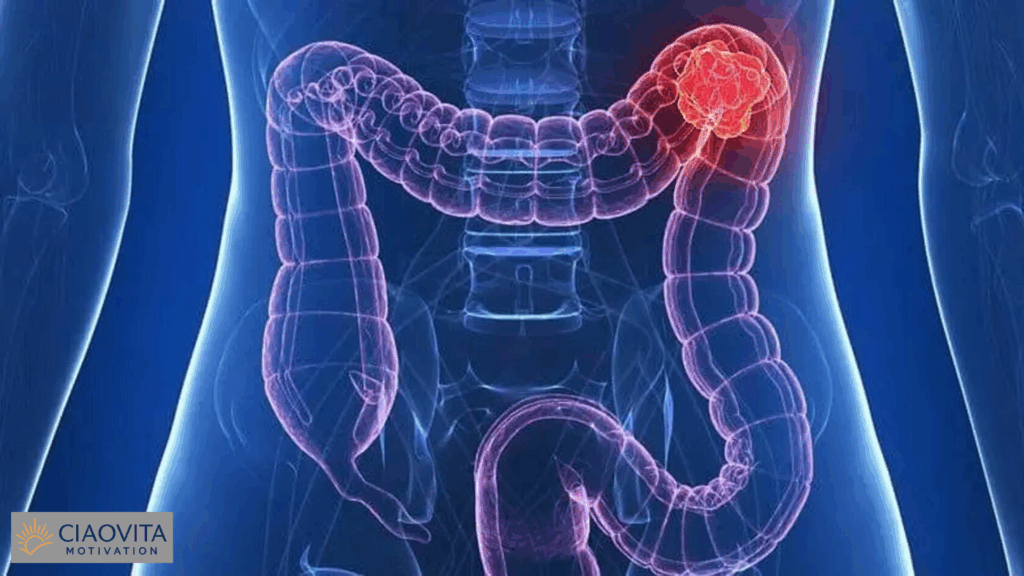
Colorectal Cancer Screening: AI and Early Detection
Understanding a Silent Threat to Your Health
Colorectal cancer represents one of medicine’s most preventable yet deadly diseases. Every year, approximately 1.9 million new cases occur worldwide, resulting in 900,000 deaths. The tragedy deepens when you understand that early detection through screening provides a 98% one-year survival rate. Yet more than half of all cases remain undetected until advanced stages, when treatment options narrow and survival chances plummet. Recent scientific breakthroughs in artificial intelligence detection and comprehensive screening analysis are transforming how doctors identify and prevent this silent killer. Understanding these advances could save your life or the life of someone you love.
The hidden progression from polyp to cancer
Colorectal cancer rarely appears suddenly. The journey from healthy tissue to invasive disease typically spans more than a decade, beginning when normal intestinal cells develop into benign growths called polyps. Scientists estimate that 60 to 80% of cases occur sporadically, meaning they develop without family history or clear hereditary links. These sporadic cases concentrate in people over 50, likely because aging cells accumulate DNA damage over time and prolonged exposure to dietary and environmental factors increases risk.
The transformation follows what researchers call the adenoma-carcinoma sequence. Think of it as a series of unfortunate cellular events unfolding inside your colon. First, genetic instability causes cells to multiply uncontrollably, forming a polyp. Additional mutations then allow these cells to invade deeper layers of the intestinal wall. Research examining early-onset colorectal cancer risk factors identified family history as increasing risk 4.2 times, while obesity, hyperlipidemia and alcohol consumption each significantly elevate cancer development probability.
Eventually, some cells gain the ability to break away and travel to distant organs through a process called metastasis. When a tumor reaches approximately 2 millimeters in size, it triggers the growth of new blood vessels through angiogenesis. However, these new vessels form poorly, creating leaky and chaotic networks unlike organized healthy blood vessels. Cancer cells undergo epithelial-mesenchymal transition, essentially changing from stationary to mobile cells, like breaking free from a crowd. These rogue cells navigate through surrounding tissue until encountering blood or lymphatic vessels.
Recent research on predicting liver metastasis using artificial intelligence analyzed imaging data from 17 studies. The pooled results demonstrated AI-based systems achieve 86% sensitivity and 82% specificity in predicting distant metastasis, with an area under the curve of 0.91. This discovery matters because many colorectal cancers spread to other body parts long before standard screening tests detect the original tumor, explaining why some patients develop distant tumors even after seemingly successful primary cancer treatment.
Revolutionary screening methods that actually work
A groundbreaking 2025 network meta-analysis published in BMC Medicine examined seven randomized controlled trials involving 663,319 participants. This comprehensive analysis compared guaiac-based fecal occult blood testing, immunochemical fecal tests, flexible sigmoidoscopy, computed tomographic colonography and total colonoscopy. The results provide the most definitive evidence yet on screening effectiveness.
Colonoscopy emerged as the most effective single screening method, with 10-year intervals reducing colorectal cancer-specific mortality by 73%. This dramatic benefit stems from colonoscopy’s unique dual advantage: it both detects existing cancers and removes precancerous polyps during the same procedure. When doctors identify and remove adenomatous polyps before they transform into cancer, they literally prevent the disease from developing.
Flexible sigmoidoscopy demonstrated significant benefits when performed every 5 years, reducing both cancer incidence and mortality. This procedure examines only the lower portion of the colon, making it quicker and requiring less extensive preparation than full colonoscopy. However, it misses cancers developing in the upper colon regions.
Fecal immunochemical testing offers a non-invasive alternative, detecting hidden blood in stool samples. A systematic review of effectiveness found biennial FIT screening significantly reduces colorectal cancer mortality. The test works by identifying hemoglobin from bleeding polyps or tumors. While less sensitive than colonoscopy for detecting small polyps, FIT’s non-invasive nature encourages higher participation rates among people who avoid colonoscopy.
The research examined adherence as a critical factor in screening effectiveness. Even the most effective screening method fails if people don’t complete it. Studies consistently show that easier, less invasive tests like FIT achieve higher completion rates than colonoscopy, though colonoscopy provides superior detection when actually performed. Understanding your gut health creates a foundation for recognizing when something changes that warrants medical attention.
Artificial intelligence transforms detection accuracy
Perhaps the most exciting recent development involves artificial intelligence systems that assist during colonoscopy. A comprehensive systematic review published in eClinicalMedicine analyzed randomized controlled trials comparing AI-assisted colonoscopy with standard procedures. The results were remarkable.
Twelve randomized trials involving 11,267 patients demonstrated that AI-assisted colonoscopy significantly enhances adenoma detection rates. The pooled adenoma detection rate increased from approximately 37% with standard colonoscopy to 45% with AI assistance, representing a relative increase of 21%. This translates directly into more precancerous polyps identified and removed before they transform into cancer.
The technology works by analyzing real-time video feeds during colonoscopy, instantly flagging suspicious areas that might represent polyps. These AI systems train on thousands of colonoscopy images, learning to recognize subtle patterns associated with adenomas that human eyes might miss. The computer essentially serves as a second set of highly trained eyes, constantly scanning for abnormalities.
A meta-analysis examining miss rates in six tandem-design randomized trials with 1,718 patients found AI reduced adenoma miss rate by 54% compared to standard colonoscopy. In tandem studies, doctors perform colonoscopy twice on the same patient, once with AI and once without, revealing how many polyps get overlooked. The dramatic reduction in miss rates suggests AI prevents numerous cancers that would otherwise develop from undetected polyps.
Interestingly, the benefits appeared most pronounced for endoscopists with lower baseline adenoma detection rates and for detecting smaller, flatter polyps that challenge even experienced doctors. This democratizing effect could standardize colonoscopy quality across different skill levels and practice settings. Research exploring how AI revolutionizes healthcare suggests these systems may soon expand beyond colonoscopy into other screening applications.
Understanding your personal risk factors
While age remains the strongest single risk factor, with incidence rising dramatically after 50, other modifiable factors significantly influence your colorectal cancer risk. A systematic review examining early-onset cases in people under 50 identified several critical risk factors through meta-analysis of 36 studies.
Family history emerged as the most powerful predictor, increasing risk 4.21 times compared to people without affected first-degree relatives. This elevated risk likely reflects both inherited genetic susceptibilities and shared environmental exposures within families. If your parent or sibling developed colorectal cancer, especially before age 50, discuss earlier screening with your doctor.
Obesity demonstrated consistent association with increased risk, with a pooled relative risk of 1.54. The relationship between excess body weight and cancer likely operates through multiple mechanisms, including chronic inflammation, insulin resistance and altered hormone levels. Studies found obesity during adolescence particularly increases both incidence and mortality of early-onset colorectal cancer. Understanding how metabolic syndrome connects to cancer risk helps clarify prevention strategies.
Hyperlipidemia, characterized by elevated blood cholesterol and triglycerides, increased risk 1.62 times. The mechanisms remain under investigation, but likely involve inflammatory processes and altered cell signaling pathways. Alcohol consumption showed dose-dependent effects, with high intake significantly elevating risk compared to abstinence or light drinking.
Physical inactivity emerged as another modifiable risk factor. Regular exercise appears protective through multiple pathways, including reducing inflammation, improving immune function and promoting healthy weight maintenance. The protective effect operates independent of body weight, meaning even overweight individuals who exercise regularly show lower risk than sedentary people of normal weight. Research on sedentary behavior and cancer risk provides additional context on this relationship.
Dietary factors play complex roles. High consumption of red and processed meats consistently associates with increased risk in multiple studies. A comprehensive meta-analysis examining 111 cohort studies found colorectal cancer risk increases 12% for each 100 grams daily increase in red and processed meat intake. Conversely, fiber-rich diets, particularly from whole grains and vegetables, demonstrate protective effects.
The concerning rise in younger adults
Traditionally considered a disease of older adults, colorectal cancer incidence has increased dramatically in people under 50 over recent decades. Projections suggest that within the next decade, rectal cancer incidence in adults aged 20-34 will increase 90%, while colon cancer will rise 124% in this age group. For adults 35-49, increases of 27% and 46% are projected respectively.
This alarming trend prompted the U.S. Preventive Services Task Force to lower recommended screening age from 50 to 45 for average-risk individuals. The reasons behind rising early-onset cases remain incompletely understood, though changing dietary patterns, increasing obesity rates and sedentary lifestyles likely contribute.
Young patients often present with more advanced disease at diagnosis, partly because symptoms get dismissed as less serious conditions and partly because aggressive screening doesn’t typically begin until middle age. This late detection contributes to poorer outcomes in younger patients despite their otherwise better overall health. The pattern underscores the importance of taking persistent symptoms seriously regardless of age.
Current detection methods and their limitations
Colonoscopy remains the reference standard for colorectal cancer detection. During this procedure, a doctor inserts a flexible tube with a camera through the rectum, examining the entire colon’s internal lining. The procedure allows simultaneous polyp removal, providing both diagnostic and therapeutic benefits. However, colonoscopy requires extensive bowel preparation, causes discomfort and demands significant medical expertise. Some people avoid it due to these barriers, limiting its effectiveness as a population screening tool.
Fecal immunochemical testing provides a simpler alternative, detecting hidden blood in stool samples collected at home. While less sensitive than colonoscopy for detecting small polyps, FIT’s convenience and non-invasive nature improve participation rates. Regular annual FIT testing significantly reduces colorectal cancer mortality in population studies, though positive results require follow-up colonoscopy for definitive diagnosis.
Stool DNA tests represent a newer approach, detecting both blood and abnormal DNA shed by polyps and cancers into stool. These tests demonstrate higher sensitivity than FIT for detecting both cancer and advanced adenomas, but cost more and require testing only every three years instead of annually.
CT colonography, sometimes called virtual colonoscopy, creates detailed colon images using computed tomography scanning. This method requires the same bowel preparation as traditional colonoscopy but avoids sedation and instrument insertion. It effectively detects larger polyps and cancers but may miss smaller, flatter lesions representing early-stage disease. Unlike traditional colonoscopy, CT colonography cannot remove polyps, requiring subsequent colonoscopy if abnormalities appear.
Capsule endoscopy involves swallowing a pill-sized camera that captures thousands of images while traveling through the digestive tract. Recent advances include magnetic guidance systems for better control. However, capsules currently work best as screening tools rather than for definitive diagnosis, since they cannot remove suspicious tissue for testing.
Each method presents trade-offs between effectiveness, invasiveness, cost and patient acceptance. The best screening test is ultimately the one that gets completed. Some experts advocate for offering multiple options, allowing people to choose methods matching their preferences and circumstances.
What tissue stiffness reveals about cancer
One particularly intriguing recent discovery involves the physical properties of tumor tissue. Scientists have found that cancer tissue demonstrates significantly greater stiffness than healthy tissue, with this stiffness increasing as cancer progresses through different stages. Researchers measured this using sophisticated techniques including atomic force microscopy, which uses a tiny probe to indent tissue at microscopic levels measuring resistance with extreme precision.
The results consistently show healthy bowel tissue has a Young’s modulus, a measure of stiffness, between 0.44 and 9.9 kilopascals. In contrast, cancer tissue ranges from 2.81 to 157.3 kilopascals, depending on stage. More advanced cancers generally display greater stiffness.
This physical difference could provide doctors with new ways to detect cancer early and assess how aggressive a tumor might be. Imagine if doctors could measure tissue stiffness during routine examination and immediately identify suspicious areas requiring closer inspection. While this technology remains investigational, it represents an exciting potential frontier in early detection.
Taking action for your health
The science behind colorectal cancer screening has never been more definitive. Systematic evidence demonstrates regular screening dramatically reduces both cancer incidence and mortality. AI-enhanced detection improves accuracy beyond what human observation achieves alone. Multiple effective screening options exist, accommodating different preferences and circumstances.
Yet knowledge means nothing without action. Current screening programs typically begin at age 45-50 for average-risk individuals, though people with family history should discuss earlier screening with physicians. If you meet screening age criteria and haven’t been tested, schedule an appointment. If you have persistent symptoms like changes in bowel habits, rectal bleeding, unexplained weight loss or persistent abdominal pain, seek medical evaluation regardless of age.
Pay attention to your body. While many colorectal cancer symptoms overlap with less serious conditions, persistent changes deserve medical evaluation. Don’t dismiss ongoing symptoms as minor or too embarrassing to discuss. Your gut microbiome influences far more than digestion, affecting overall health in ways scientists continue discovering.
Prevention matters too. While genetic factors influence colorectal cancer risk, lifestyle choices significantly impact your chances of developing the disease. Regular physical activity, fiber-rich diets low in processed meats, maintaining healthy weight, avoiding excessive alcohol and not smoking all reduce risk. These same habits that prevent colorectal cancer also protect against heart disease, diabetes and other chronic conditions, multiplying their value.
The gap between scientific knowledge and clinical practice means many people still receive late-stage diagnoses despite available screening tools. Don’t become one of these statistics. Screening saves lives, even if procedures seem inconvenient or uncomfortable. The temporary discomfort of colonoscopy preparation pales compared to the devastating impact of late-stage cancer diagnosis.
Conclusion
Understanding colorectal cancer screening empowers you to make informed decisions protecting your health. Recent research involving hundreds of thousands of participants confirms screening works, with 10-year colonoscopy programs reducing cancer deaths by 73%. Artificial intelligence systems now enhance detection accuracy, catching 21% more precancerous polyps than standard procedures. Multiple effective screening options accommodate different preferences and circumstances.
The tragedy of colorectal cancer lies not in its deadliness but in its preventability. Most cases develop slowly over a decade or more, providing ample opportunity for detection and intervention. When caught early, survival rates approach 98%. Yet half of all cases remain undetected until advanced stages, when survival plummets and treatment options narrow.
This gap between what medicine can achieve and what actually happens results from people not getting screened. Don’t let fear, inconvenience or embarrassment prevent you from accessing life-saving screening. The tools for fighting colorectal cancer improve rapidly, but they only work when people use them. Take action today. Schedule your screening, discuss your family history with your doctor and make lifestyle choices reducing your risk. Your future self will thank you.
References
- Han C, Wu F, Xu J. Effectiveness of sigmoidoscopy or colonoscopy screening on colorectal cancer incidence and mortality: a systematic review and meta-analysis of randomized controlled trial. Front Oncol. 2024;14:1364.
- Colorectal Cancer Screening Literature Review Committee. Single-round performance of colorectal cancer screening programs: a network meta-analysis of randomized clinical trials. BMC Med. 2025;23:948.
- Yan A, Ye X, Jiang Q, et al. Effectiveness of colorectal cancer screening on all-cause and CRC-specific mortality reduction: a systematic review and meta-analysis. Cancers. 2023;15(7):1948.
- Lou S, Du F, Song W, et al. Artificial intelligence for colorectal neoplasia detection during colonoscopy: a systematic review and meta-analysis of randomized clinical trials. EClinicalMedicine. 2023;65:1022.
- Bai S, Singh B, Ethakota J, et al. Artificial intelligence in the diagnosis and management of colorectal cancer: a systematic review. Healthcare. 2025;13(19):2517.
- Tan S, Zeng P, Wang L, et al. Effectiveness of artificial intelligence-assisted colonoscopy in detecting and diagnosing colorectal tumors: a systematic review and network meta-analysis. BMC Med. 2024;12:5406.
- Chen Y, Wang H, Zhang L, et al. Diagnostic accuracy of artificial intelligence based on imaging data for predicting distant metastasis of colorectal cancer: a systematic review and meta-analysis. Front Oncol. 2025;15:1558.
- Jiang Q, Peng H, Liu W, et al. Risk factors for early-onset colorectal cancer: systematic review and meta-analysis. Front Oncol. 2023;13:11323.
- Vilar E, Gruber SB. The genetics of colorectal cancer. Digestion. 2025;106(2):91-99.
- Vicinanza R, Piscopo I, Iannicelli AM, et al. Foods and beverages and colorectal cancer risk: a systematic review and meta-analysis of cohort studies. Ann Oncol. 2017;28(7):1788-02.
- Seow-En I, Koh YX, Zhao Y, et al. Predictive modeling algorithms for liver metastasis in colorectal cancer: a systematic review. Ann Hepatobiliary Pancreat Surg. 2024;28(1):14-24.
- Ola I, Cardoso R, Hoffmeister M, Brenner H. Utilization of colorectal cancer screening tests: a systematic review and time trend analysis. EClinicalMedicine. 2024;75:102783.
- Jodal HC, Helsingen LM, Anderson JC, et al. Colorectal cancer screening with faecal testing, sigmoidoscopy or colonoscopy: a systematic review and network meta-analysis. BMJ Open. 2019;9:e032773.
- Simmonds PC, Primrose JN, Colquitt JL, et al. Surgical resection of hepatic metastases from colorectal cancer: a systematic review. Br J Cancer. 2006;94(7):982-99.
- Tian J, Afebu KO, Bickerdike A, et al. Fundamentals of bowel cancer for biomedical engineers. Ann Biomed Eng. 2023;51(4):679-01
© 2026 Alice & Marcus Guimarães. All rights reserved.This site is proudly created with WordPress.