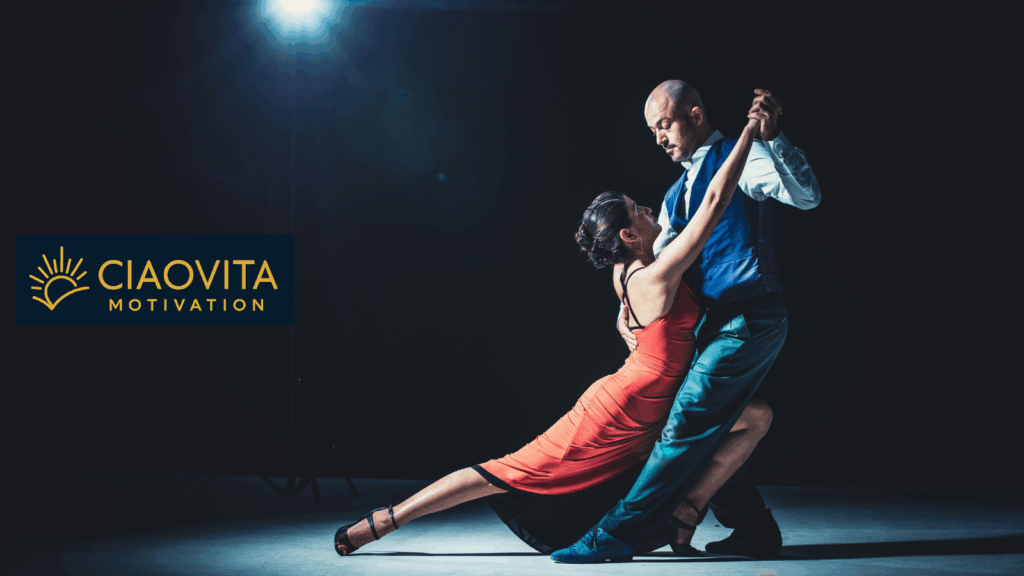
Dance Transforms Brain Health and Physical Fitness
How Movement Patterns Delay Cognitive Decline in Older Adults
The worldwide aging population confronts unprecedented challenges in preserving physical health, cognitive function and psychological wellbeing. While conventional exercise programs dominate health recommendations, groundbreaking research reveals that dance offers unique advantages extending far beyond traditional physical activity. Recent scientific investigations demonstrate that structured dance interventions provide superior outcomes for older adults across multiple health domains, challenging our understanding of optimal exercise for aging populations.
The evidence supporting dance as a comprehensive health intervention continues to strengthen. Scientists examining thousands of participants across diverse cultural backgrounds have documented remarkable improvements in cognitive function, physical fitness and emotional wellbeing. These findings suggest that dance represents more than simple entertainment or exercise, it constitutes a powerful therapeutic tool that addresses the complex needs of aging adults through integrated multi-sensory stimulation.
The Physical Foundation of Dance Benefits
Scientific evidence consistently demonstrates that dance interventions significantly improve multiple aspects of physical health in older adults. A comprehensive systematic literature review analyzing 18 studies found that dance, regardless of style, can significantly improve muscular strength and endurance, balance and other aspects of functional fitness. The effectiveness rates prove remarkable: 82% of studies measuring muscular strength and endurance showed significant positive changes, while 89% of studies examining balance demonstrated meaningful improvements.
What makes dance particularly compelling involves its adaptability. Research spanning participants aged 52 to 87 years demonstrates that dance interventions can be modified to accommodate various physical limitations and cultural preferences. Unlike traditional exercise programs that often feel monotonous or intimidating to older adults, dance naturally incorporates elements addressing multiple fitness components simultaneously. When participants engage in ballroom, contemporary, cultural, jazz or other dance forms, they unknowingly perform complex movements challenging cardiovascular endurance, flexibility, coordination and strength within a single session.
The retention rates tell an important story about sustainability. Studies consistently report completion rates between 81% and 100%, with many participants maintaining high levels of engagement throughout interventions lasting from 6 weeks to 8 months. This adherence advantage represents a crucial factor in long-term health outcomes, as the most effective exercise program ultimately becomes the one people continue performing regularly without external motivation.
Even individuals with existing health conditions benefit from dance interventions. Research specifically examining older adults with visual impairment and metabolic syndrome found significant improvements in measured outcomes. Dance programs for visually impaired older adults showed significant positive increases in muscular endurance, strength and balance assessments. Similarly, older adults with metabolic syndrome demonstrated significant improvements in cognitive functioning through dance participation, highlighting the intervention’s versatility across diverse health challenges.
Cognitive Enhancement Through Movement Patterns
Perhaps the most fascinating aspect of dance research involves its impact on cognitive function. The combination of physical movement, musical rhythm, memorization of choreographed sequences and social interaction creates a unique neurological environment that standard exercise cannot replicate. Studies investigating dance interventions for cognitive health reveal that 80% of measurements showed significant positive changes in cognitive ability.
The complexity of dance movements appears to provide neuroprotective effects extending beyond simple physical activity. When participants learn new movement patterns, remember choreographed sequences and coordinate their movements with music and partners, they engage multiple brain regions simultaneously. This multi-domain stimulation has been shown to improve memory functions, executive control and processing speed in ways that traditional exercise alone cannot achieve.
Recent meta-analysis research comparing dance to other physical activities found equal effectiveness in improving anxiety and depression symptoms. However, preliminary evidence suggests dance may be superior in improving motivation, aspects of memory and social cognition while reducing distress. Research specifically examining older adults with mild cognitive impairment found that choreographed dance programs combining various styles produced greater improvements in verbal memory recognition compared to standard physical therapy interventions.
The cognitive demands of dance, including spatial awareness, pattern recognition and sequence memory, appear to create a form of neurological cross-training that strengthens cognitive reserve. This proves particularly important given that physical inactivity commonly affects individuals aged 60 years and older, and many face barriers including low self-efficacy, pre-existing medical conditions, physical limitations, time constraints and cultural factors. Dance interventions effectively overcome these barriers through their engaging and culturally adaptable nature.
Psychological and Social Wellbeing Enhancement
The psychological benefits of dance extend far beyond the endorphin release associated with physical activity. Dance interventions consistently demonstrate improvements in quality of life measures, with studies showing enhanced emotional wellbeing, reduced anxiety and depression symptoms and increased motivation for continued physical activity. The social nature of many dance forms contributes significantly to these psychological benefits.
Group dance activities naturally foster social connections, provide opportunities for non-verbal communication and create shared experiences combating isolation commonly experienced by older adults. The partnership aspects of certain dance styles, such as ballroom dancing, require participants to develop trust, communication and coordination with others. This social engagement component appears to amplify the psychological benefits beyond what individual exercise programs typically provide.
Research examining Greek dance participation among individuals with chronic heart failure found remarkable improvements in intrinsic motivation across multiple domains. Participants showed enhanced enjoyment and interest, increased perceived competence and greater willingness to invest effort in their health management. These psychological changes often translate into broader lifestyle improvements extending well beyond the dance studio.
The aesthetic and artistic elements of dance engage emotional and creative centers of the brain that remain untapped during conventional workouts. This engagement creates intrinsic motivation supporting long-term adherence to physical activity. Unlike other forms of physical activity, dance includes an aesthetic form of artistic expression that can produce physical results comparable with formal exercise training while improving social and behavioral factors such as self-motivation.
The Neuroscience Behind Dance Effectiveness
The effectiveness of dance interventions appears to stem from several key factors distinguishing it from traditional exercise approaches. The musical component of dance provides external rhythm cues facilitating movement coordination and timing. This musical foundation helps participants maintain appropriate exercise intensity while reducing the perceived effort often associated with structured exercise programs. The rhythm naturally guides participants through varying intensities and movement patterns without requiring constant conscious effort or external motivation.
Cultural familiarity of many dance forms reduces barriers to participation. Most cultures have traditional dances that feel familiar and approachable, removing the intimidation factor often preventing older adults from beginning new physical activities. This cultural connection can transform exercise from an obligation into a celebration of heritage and community, creating powerful emotional engagement that sustains long-term participation.
Dance therapy, defined by the American Dance Therapy Association as “the psychotherapeutic use of movement to further the emotional, cognitive, physical and social integration of the individual,” demonstrates unique properties. Cross-sectional studies show that older adults who dance regularly have greater flexibility, postural stability, balance, physical reaction time and cognitive performance than those who do not dance regularly. These differences suggest that dance produces cumulative benefits building over time rather than temporary improvements disappearing with program cessation.
Practical Implementation and Evidence-Based Dosage
Research indicates that effective dance interventions require minimal time investment while producing maximum health benefits. Studies demonstrating superior cognitive and psychological benefits typically involved sessions lasting 40 to 60 minutes, conducted twice weekly for periods of at least two months. However, interventions ranged from once per week to four times per week, with session durations varying from 30 minutes to 2 hours and total program lengths from 6 weeks to 8 months.
The variety of effective dance styles means that programs can be tailored to individual preferences, physical capabilities and cultural backgrounds. Research includes ballroom styles such as foxtrot, salsa, tango, bolero, swing, polka, cha-cha, waltz and merengue, contemporary dance with improvisation and the Lebed method, cultural dances including Greek, Turkish, Korean, Cantonese and line dancing, and jazz forms. Whether participants choose ballroom dancing, cultural folk dances, contemporary movement or structured dance fitness programs, the health benefits remain consistent across styles.
Safety considerations remain paramount in program design. Research consistently shows that appropriately structured dance interventions can be safely implemented even for individuals with chronic health conditions, including Parkinson’s disease, heart failure and mild cognitive impairment. The key lies in proper program adaptation and qualified instruction accounting for individual limitations and progression needs. Programs should begin with simpler movements and gradually increase complexity as participants develop confidence and competence.
Future Implications and Clinical Applications
The growing body of evidence supporting dance as a comprehensive health intervention has significant implications for aging populations worldwide. As healthcare systems struggle with the increasing costs and complexity of age-related health issues, dance represents a cost-effective, enjoyable and sustainable intervention addressing multiple health domains simultaneously.
The research suggests that dance interventions should be considered equivalent to, if not superior to, traditional exercise programs for older adults seeking to maintain or improve their physical, cognitive and psychological health. This evidence-based approach to recommending dance activities empowers both healthcare providers and individuals to make informed decisions about optimal aging strategies.
Given that the United States older adult population is predicted to reach 92 million by 2060, compared with 30 million in 2000, creative, appealing and effective methods of physical activity are urgently needed. Dance provides a versatile activity that can be adjusted to fit target population age, physical limitations and culture while offering superior adherence rates compared to traditional exercise programs.
Conclusion
The future of healthy aging may well include dance studios alongside gymnasiums, community dance programs integrated with healthcare delivery and dance prescriptions written by physicians. As research continues to reveal the mechanisms underlying dance’s comprehensive benefits, we move closer to understanding how this ancient human activity can address the modern challenges of aging in the 21st century.
Dance offers hope for transforming the experience of aging from decline to continued growth, connection and vitality. The evidence demonstrates that older adults who engage in regular dance activities experience measurable improvements in physical fitness, cognitive function and emotional wellbeing. These benefits accumulate over time, creating a positive trajectory that supports healthy aging and enhanced quality of life.
The remarkable adherence rates observed in dance programs suggest that participants discover intrinsic value beyond simple health benefits. They find joy, connection, creative expression and cultural celebration through movement. This multifaceted engagement creates sustainable motivation that traditional exercise programs struggle to achieve, making dance not just an effective intervention but a genuinely enjoyable path to healthy aging.
References
- Hewston P, Kennedy CC, Borhan S, Merom D, Santaguida P, Ioannidis G, et al. Effects of dance on cognitive function in older adults: a systematic review and meta-analysis. Age Ageing. 2021;50(4):1084-1092.
- Fong Yan A, Nicholson LL, Ward RE, Hiller CE, Dovey K, Parker HM, et al. The effectiveness of dance interventions on psychological and cognitive health outcomes compared with other forms of physical activity: a systematic review with meta-analysis. Sports Med. 2024;54:1179-1205.
- Hwang PW, Braun KL. The effectiveness of dance interventions to improve older adults’ health: a systematic literature review. Altern Ther Health Med. 2015;21(5):64-70.
- Prates RACS, Kaczmarska M, Senger D, Matheus SC. Effects of dance interventions on brain health for older adults with cognitive impairment: an umbrella review. BMC Geriatr. 2025;25:846.
- Tung HH, Kuo CY, Lee PL, Chang CW, Chou KH, Lin CP, Chen LK. Efficacy of digital dance on brain imagery, cognition, and health: randomized controlled trial. J Med Internet Res. 2024;26:e57694.
- Lu J, Abd Rahman NA, Wyon M, Shaharudin S. The effects of dance interventions on physical function and quality of life among middle-aged and older adults: a systematic review. PLoS One. 2024;19(4):e0301236.
© 2025 Alice & Marcus Guimarães. All rights reserved.This site is proudly created with WordPress.