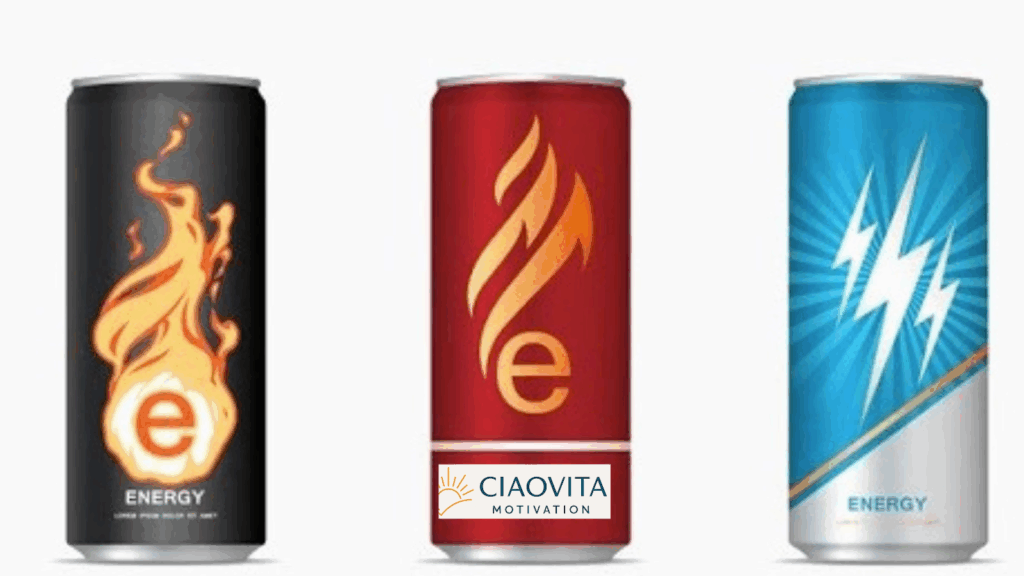
Energy Drinks Performance Guide: What Science Says
Complete Analysis of Benefits, Risks, and Genetic Factors
Energy drinks have transformed the sports nutrition landscape over the past decade. These caffeinated beverages promise instant performance boosts and enhanced athletic capabilities. However, comprehensive scientific research from 2024 and 2025 reveals a fascinating story that extends far beyond marketing promises.
The global energy drink market continues expanding exponentially. Sales reached $73.99 billion globally in 2024, with projections exceeding $80 billion by 2025. This explosive growth reflects widespread consumption among athletes, students and fitness enthusiasts seeking competitive advantages. Understanding the science behind these effects helps separate legitimate benefits from overstated claims.
Recent systematic reviews and meta-analyses demonstrate measurable performance improvements across multiple domains. Yet they also reveal significant cardiovascular concerns and remarkable individual variations in response. The key lies in understanding how these complex beverages interact with human physiology and genetics.
The Science Behind Energy Drinks and Athletic Performance
Understanding the Key Active Ingredients
Caffeine serves as the primary performance enhancing ingredient in most energy drinks. These beverages typically contain between 80 and 325 milligrams of caffeine per serving, roughly equivalent to one to four cups of coffee. This natural stimulant extracted from coffee beans and tea leaves acts as the main driver of performance benefits.
Taurine represents the second most important component found in energy drinks. This amino acid occurs naturally in high concentrations within muscle tissue and plays crucial roles in muscle contraction processes. Energy drinks contain anywhere from 71 to 3,105 milligrams of taurine, with most studies using doses between 1,000 and 2,000 milligrams per serving.
A 2024 network meta-analysis examining caffeine and taurine combinations revealed important synergistic effects. These two compounds work together to enhance calcium release in heart muscle cells, potentially improving cardiovascular function during intense physical activity. The combination balances caffeine’s stimulatory effects with taurine’s neuromodulatory properties, optimizing high-intensity performance while modulating physiological stress responses.
Additional ingredients like B vitamins, amino acids and herbal extracts may provide supplementary benefits. However, caffeine remains the most scientifically validated component. The prevalence of energy drink consumption among athletes ranges from 41 to 69 percent depending on the sport and competitive level studied.
How Energy Drinks Affect Your Body During Exercise
When you consume an energy drink, caffeine reaches peak concentration in your bloodstream within 30 to 120 minutes. The exact timing depends on individual factors, particularly genetic variations in liver enzymes responsible for breaking down caffeine. This absorption pattern explains why most athletes consume energy drinks 30 to 60 minutes before training or competition.
Once absorbed, caffeine blocks special receptors in your brain called adenosine receptors. Adenosine normally signals fatigue and sleepiness, so blocking these receptors effectively delays the onset of tiredness during physical activity. Meanwhile, caffeine stimulates the release of adrenaline, increases fat burning and enhances the recruitment of muscle fibers during contractions.
Taurine works through different mechanisms by affecting how muscle fibers respond to calcium. Since calcium triggers muscle contractions, taurine helps maintain optimal calcium levels within muscle cells. This process results in improved force production and potentially enhanced endurance capacity during prolonged activities. Understanding how physical activity transforms your body helps contextualize these acute effects.
Documented Performance Benefits Across Different Sports
Cardiovascular Effects: What 2024 Research Reveals
A comprehensive 2024 meta-analysis examined acute effects of energy drink consumption on cardiovascular parameters in healthy adults. Researchers analyzed 17 randomized controlled trials involving hundreds of participants. The results provide the most definitive picture yet of how energy drinks affect the cardiovascular system.
Energy drink consumption increased systolic blood pressure by 4.71 mmHg at 60-80 minutes after ingestion. Diastolic blood pressure rose by 4.51 mmHg at 120 minutes. Cardiac output increased by 0.43 liters at 30-40 minutes after consumption. These effects were statistically significant and clinically meaningful.
A 2025 systematic review published in Current Cardiology Reports highlighted cardiovascular risks including increased heart rate, blood pressure elevation and QTc interval prolongation. The review emphasized that while moderate consumption appears relatively safe in healthy adults, certain populations face elevated risks. These include individuals with existing cardiovascular conditions, pregnant women and adolescents with developing cardiovascular systems.
Interestingly, research suggests that energy drinks may produce different cardiovascular effects than equivalent amounts of caffeine alone. This finding implies that taurine, B vitamins and other ingredients interact with caffeine in ways researchers are still working to understand fully. The combination of caffeine with other energy drink ingredients may amplify cardiovascular effects compared to consuming caffeine from coffee or tea.
Athletic Performance Improvements: The Evidence
Multiple scientific studies involving elite athletes demonstrate significant performance benefits from energy drink consumption. A 2021 comprehensive review examined athletic performance, cardiovascular risk factors and genetic associations. The evidence spans endurance activities, team sports and strength-based exercises.
Endurance athletes experience some of the most dramatic benefits from energy drinks. Studies with trained cyclists show time trial improvements ranging from 2.8 to 6.8 percent compared to placebo consumption. For example, cyclists completing one hour time trials finished an average of 109 to 172 seconds faster after consuming energy drinks containing caffeine and taurine.
Team sport athletes also benefit substantially from strategic energy drink consumption. Female soccer players consuming energy drinks before matches demonstrated improved countermovement jump height, faster sprint times and greater total distance covered during simulated games. Similar improvements appear in rugby sevens players, volleyball athletes and handball players.
Strength and power athletes see measurable improvements in maximum repetitions completed, jump height and power output during high intensity exercises. Research with resistance trained athletes shows increases in bench press repetitions and improvements in knee extension exercises after energy drink consumption. This relates to broader principles of how exercise adaptations transform your body.
A 2017 meta-analysis synthesized results from multiple studies examining caffeine-containing energy drinks on physical performance. The analysis concluded that these beverages significantly improved athletic performance across tests of muscle strength, jumps, resistance exercises and specific actions in various sports disciplines. The ergogenic effects appear consistent across different exercise modalities and athlete populations.
The Genetic Factor: Why Individual Responses Vary
Understanding CYP1A2 Genetic Variations
Recent genetic research reveals that individual differences significantly influence how people respond to caffeine consumption. The most important gene affecting these responses is called CYP1A2, which controls approximately 95 percent of caffeine breakdown in the liver. Variations in this gene create fast and slow caffeine metabolizers.
People with different versions of this gene process caffeine at dramatically different rates. Fast metabolizers clear caffeine from their systems within four to six hours, while slow metabolizers may retain significant caffeine levels for eight to twelve hours. These genetic differences affect both the magnitude of performance benefits and the duration of effects.
Fast metabolizers typically experience greater performance improvements from moderate caffeine doses. They can also tolerate higher amounts without significant side effects like anxiety, jitteriness or sleep disruption. Conversely, slow metabolizers may experience prolonged effects from smaller doses and show greater susceptibility to adverse effects.
A 2021 review on energy drinks and sports performance examined the genetic associations between consumption patterns and athletic outcomes. Research with competitive cyclists showed that individuals with the fast metabolizer genetic variant experience time trial improvements of 4.8 to 6.8 percent with appropriate caffeine dosing. However, those with the slow metabolizer variant may actually experience decreased performance at higher doses.
This genetic variation explains the wide range of individual responses observed in research studies. Some participants show remarkable performance improvements while others experience minimal benefits or even negative effects from identical energy drink consumption. The genetic component accounts for much of this variability that researchers previously attributed to training status or psychological factors.
Practical Applications for Athletes and Active Individuals
Understanding your genetic caffeine metabolism could help optimize energy drink consumption for maximum benefit with minimal risk. Athletes with fast caffeine metabolism might benefit from consuming energy drinks 30 to 60 minutes before competition, while slow metabolizers might need 60 to 90 minutes for optimal timing.
The duration of athletic events also matters for dosing strategy. Endurance activities lasting several hours may benefit from smaller, repeated doses rather than single large amounts. Team sports with multiple games or matches might require strategic timing between events to maintain benefits without accumulating excessive caffeine levels.
Unfortunately, genetic testing for athletic performance remains expensive and is not widely available to most athletes. Commercial genetic testing services exist but interpretation requires expertise. Therefore, most people must determine their optimal approach through careful experimentation under professional guidance, starting with lower doses and monitoring individual responses.
Signs that suggest fast metabolism include feeling energized quickly after consumption, effects wearing off within a few hours and minimal sleep disruption from afternoon consumption. Slow metabolism indicators include prolonged energy, difficulty sleeping hours after consumption and increased anxiety or jitteriness from moderate doses.
Cognitive Performance and Mental Enhancement
Evidence for Cognitive Benefits
Beyond physical performance, energy drinks significantly impact brain function and mental capabilities. Multiple studies demonstrate improvements in attention, reaction time and overall alertness following energy drink consumption. However, the magnitude varies between individuals and circumstances.
Research involving young adults found that consuming energy drinks improved performance on attention-based tasks and reduced simple reaction times. These benefits appear most pronounced in situations involving sustained mental effort or when fighting fatigue. Sleep-deprived individuals often experience particularly noticeable cognitive improvements from energy drink consumption.
A 2024 randomized controlled trial examined acute effects of a caffeine-based energy drink on cognitive performance using validated neurocognitive tests. Results showed energy drink consumption enhanced reaction time on behavioral control tasks, reduced mental fatigue ratings and increased subjective feelings of stimulation. Working memory performance also improved significantly compared to placebo conditions.
Memory enhancement represents another area of scientific interest. Some studies suggest energy drinks may improve both working memory and long-term recall, though these effects appear smaller and less consistent than attention improvements. The combination of caffeine and glucose in many energy drinks may contribute to memory benefits, as both substances fuel brain metabolism. Understanding how lifestyle factors affect brain health provides broader context for these cognitive effects.
However, cognitive benefits come with important caveats. Very high caffeine doses can increase anxiety and jitteriness, potentially impacting performance negatively. The famous inverted U-curve effect suggests that while moderate stimulation improves performance, excessive stimulation becomes counterproductive.
Regular caffeine consumers may experience diminished benefits due to tolerance development. People who drink coffee daily might not experience the same cognitive boost from energy drinks as occasional caffeine users. This tolerance factor partly explains inconsistent results across different research studies.
Optimal Dosing and Timing Strategies
Evidence-Based Dosing Recommendations
Scientific research identifies specific dosage ranges that maximize benefits while minimizing unwanted side effects. The most effective caffeine doses range from 3 to 6 milligrams per kilogram of body weight. For a 70 kilogram individual, this equals approximately 210 to 420 milligrams of caffeine total.
Consuming more than 6 milligrams per kilogram provides no additional performance benefits and significantly increases the risk of side effects. This finding suggests that liver enzymes responsible for caffeine metabolism become saturated at higher doses, preventing further beneficial effects. The dose-response relationship plateaus beyond this threshold.
Taurine appears most effective at doses between 1,000 and 2,000 milligrams. While some studies have safely used doses up to 6,000 milligrams daily for one week, these higher amounts do not provide proportionally greater performance benefits. Most commercial energy drinks fall within the effective range for both caffeine and taurine content.
The 2024 network meta-analysis on caffeine and taurine combinations concluded that co-supplementation enhances anaerobic performance and reaction time, credibly outperforming either compound alone. The combination optimizes high-intensity performance while modulating physiological stress responses. However, effects on aerobic endurance remain context-dependent, influenced by exercise conditions and individual variability.
Strategic Timing for Maximum Benefits
The most effective approach involves consuming energy drinks 30 to 60 minutes before athletic activity. This timing allows caffeine levels to reach peak concentration during the most demanding portions of training or competition. For example, a tennis player might consume an energy drink 45 minutes before a match to ensure peak caffeine effects during the most intense rallies.
Genetic factors influence optimal timing significantly. Fast metabolizers experience peak effects sooner and may benefit from consumption closer to activity start. Slow metabolizers require longer lead times to achieve peak blood caffeine concentrations. Individual experimentation helps determine personal optimal timing.
Always test energy drink consumption during training sessions before using them in competition. Individual responses vary significantly between people, and competition represents the worst possible time to discover negative reactions like stomach upset, excessive anxiety or other unwanted effects. This principle aligns with broader sports nutrition timing strategies.
Avoid consuming energy drinks late in the day, as caffeine can disrupt sleep patterns for up to eight hours after consumption. Poor sleep quality negatively affects athletic performance, recovery and overall health. A general guideline suggests avoiding caffeine consumption after 2 PM to protect evening sleep quality.
Safety Considerations and Risk Populations
Identifying High Risk Groups
Certain populations face elevated risks from energy drink consumption and require special consideration. Young people under 18 years old show heightened sensitivity to caffeine effects due to their developing cardiovascular and nervous systems. A 2024 systematic review in the Journal of Pediatrics called for increased regulation, noting the US remains among the least regulated countries regarding energy drink access for minors.
Pregnant and nursing women should avoid these beverages entirely, as caffeine crosses the placenta and enters breast milk. The American College of Obstetricians and Gynecologists recommends limiting caffeine intake during pregnancy to less than 200 milligrams daily.
Athletes themselves may face unique risks due to combining energy drinks with intense physical activity. The increased heart rate from vigorous exercise combined with stimulant effects from beverages can potentially strain cardiovascular systems beyond safe limits. This concern becomes particularly relevant during hot weather conditions or in athletes who are dehydrated.
Individuals with existing cardiovascular conditions including hypertension, arrhythmias or structural heart disease should consult healthcare providers before consuming energy drinks. Several case reports document serious cardiovascular events including ventricular fibrillation, myocardial infarction and cardiac arrest following energy drink consumption in susceptible individuals.
People taking medications that affect heart rate or blood pressure should discuss energy drink consumption with their doctors. Some medications interact with caffeine in ways that can be dangerous. Antidepressants, blood thinners and certain heart medications may have altered effects when combined with high caffeine intake.
Warning Signs and When to Stop
Warning signs of excessive consumption include persistent rapid heartbeat lasting more than four hours, chest pain or pressure, severe anxiety or panic attacks, nausea or vomiting and significant difficulty sleeping. Anyone experiencing these symptoms should discontinue energy drink use immediately and consult healthcare providers.
The 2025 systematic review emphasized that emergency room visits related to energy drink consumption have increased dramatically over recent years. Symptoms requiring immediate medical attention include chest pain, irregular heartbeats, severe headache, significant blood pressure elevation and signs of dehydration or heat illness during exercise.
Long-term regular consumption of high-caffeine energy drinks can lead to tolerance, requiring progressively larger amounts to achieve the same performance effects. This escalation increases the likelihood of experiencing adverse cardiovascular and nervous system effects while diminishing the original benefits that motivated consumption.
Caffeine dependency represents a real concern for regular energy drink users. Some individuals develop withdrawal symptoms when stopping consumption, including severe headaches, fatigue, irritability and difficulty concentrating. These symptoms typically peak within 24 to 48 hours and can last up to a week.
Making Informed Decisions About Energy Drinks
The decision to use energy drinks should be based on individual goals, current health status and sport specific demands. These beverages can provide meaningful performance benefits for many athletes when used appropriately and with proper understanding of their effects. However, they are not necessary for athletic success.
Many elite athletes achieve outstanding performance without ever consuming energy drinks. Traditional approaches like proper nutrition strategies, adequate hydration and progressive training remain the foundation of athletic excellence. Energy drinks work best as one tool among many rather than a magic solution to performance challenges.
Consider genetic factors when available, but recognize that genetic testing remains expensive and not widely accessible. Most athletes must rely on careful self-experimentation, starting with lower doses and monitoring individual responses including sleep quality, anxiety levels and cardiovascular parameters like resting heart rate.
The scientific evidence clearly demonstrates performance improvements across various athletic activities ranging from endurance sports to team competitions and strength training. However, this same research reveals cardiovascular concerns and dependency risks that cannot be ignored. Understanding your individual response patterns, respecting established dosage guidelines and prioritizing long-term health over short-term performance gains helps inform consumption decisions.
Remember that no beverage can replace the fundamentals of proper training, adequate nutrition and sufficient recovery. If you choose to incorporate energy drinks into your routine, approach them as a strategic tool rather than a daily necessity. Always listen to your body’s signals about what works best for your unique physiology and athletic goals.
The 2024 and 2025 research provides the most comprehensive picture yet of energy drink effects on human performance and health. This evidence-based understanding empowers athletes, coaches and fitness enthusiasts to make informed decisions that optimize benefits while minimizing risks. As research continues evolving, the importance of individual genetic factors and personalized approaches to performance nutrition becomes increasingly clear.
References
- Gualberto PIB, Benvindo VV, Waclawovsky G, Deresz LF. Acute effects of energy drink consumption on cardiovascular parameters in healthy adults: a systematic review and meta-analysis of randomized clinical trials. Nutr Rev. 2024;82(8):1028-45.
- Mandato J, Kola R, Tyson T, Laffin L, Bales R. The Effects of Energy Drinks on the Cardiovascular System: A Systematic Review. Curr Cardiol Rep. 2025;27(1):156.
- Gutiérrez-Hellín J, Varillas-Delgado D. Energy Drinks and Sports Performance, Cardiovascular Risk, and Genetic Associations; Future Prospects. Nutrients. 2021;13(3):715.
- Souza DB, Del Coso J, Casonatto J, Polito MD. Acute effects of caffeine-containing energy drinks on physical performance: A systematic review and meta-analysis. Eur J Nutr. 2017;56(1):13-27.
- Network meta-analysis. Caffeine and taurine: a systematic review and network meta-analysis of their individual and combined effects on physical capacity, cognitive function, and physiological markers. Front Nutr. 2024.
- Vetter VL. Cardiovascular Toxicity of Energy Drinks in Youth: A Call for Regulation. J Pediatr. 2024;281.
- Schwager LE, Helwig NJ, Rogers EM, et al. Novel energy drink improves cognitive function and mood, without influencing myocardial oxygen demand or ventricular repolarization. J Am Nutr Assoc. 2024;43(1):33-47.
© 2025 Alice & Marcus Guimarães. All rights reserved.This site is proudly created with WordPress.