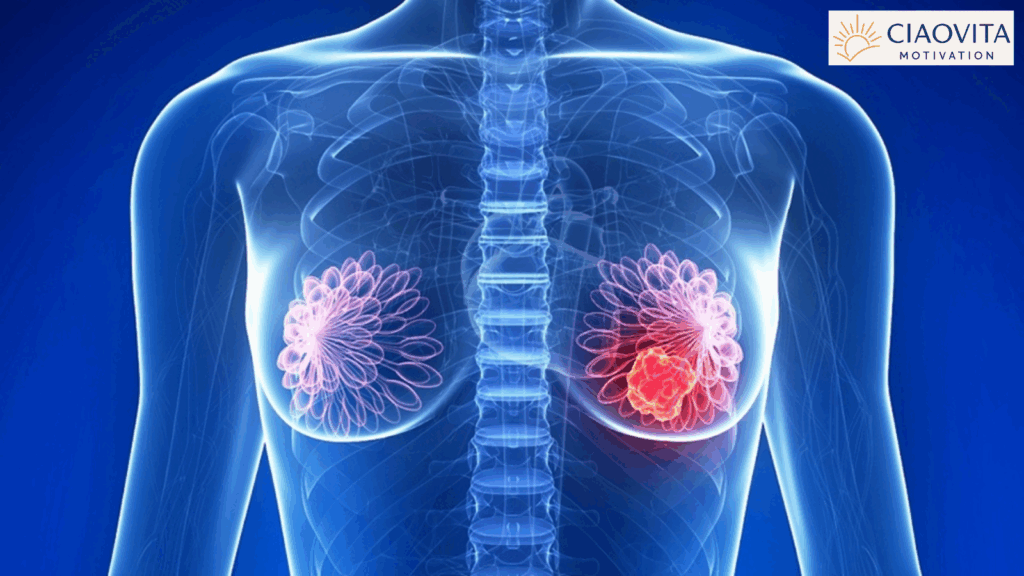
Breast Cancer Prevention: Lifestyle Reduces Risk 95%
Science-Backed Strategies for Early Detection and Treatment
Breast cancer remains one of the most common cancers affecting women worldwide, but groundbreaking research reveals a transformative truth. Up to 95% of breast cancer cases stem from lifestyle and environmental factors rather than inherited genetic predisposition. This discovery fundamentally changes our understanding and places unprecedented control directly in our hands through informed daily choices.
Scientists analyzing decades of data estimate that environmental factors cause approximately 70% of all cancers. However, breast cancer demonstrates an even stronger connection to lifestyle choices, with 90-95% of cases linked to modifiable risk factors. Only 5-10% result from inherited genetic mutations like BRCA1 and BRCA2. This evidence shifts focus from fatalistic thinking toward empowered prevention strategies that dramatically reduce risk through targeted lifestyle modifications.
Understanding these protective factors helps women make informed decisions about health choices that can prevent cancer development. The evidence comes from multiple large-scale studies tracking hundreds of thousands of women across decades, providing robust scientific support for specific prevention recommendations. Research consistently demonstrates that women who adopt multiple healthy behaviors show exponentially better outcomes than those focusing on single interventions.
Dietary Patterns Transform Cancer Risk
Research consistently demonstrates that specific dietary patterns significantly influence breast cancer development. The World Cancer Research Fund analyzed extensive studies confirming strong connections between nutrition choices and cancer prevention outcomes. Women who follow healthy dietary patterns show dramatically lower cancer rates compared to those consuming typical Western diets high in processed foods and saturated fats.
A healthy anti-cancer diet emphasizes fresh fruits, vegetables, whole grains and legumes while limiting red meat, processed foods and excessive salt intake. These foods contain powerful compounds including antioxidants, phytochemicals and fiber that support immune function and cellular repair mechanisms. These natural compounds help eliminate potentially dangerous cells before they develop into cancerous tumors. The Mediterranean diet demonstrates particularly strong protective effects through its emphasis on plant-based foods and healthy fats.
Trans fatty acids represent one of the most dangerous dietary components linked to cancer development. These harmful fats disrupt metabolic processes, increase systemic inflammation and promote abdominal obesity. Food manufacturers often hide these fats in processed snacks, baked goods, margarine and fried foods. Reading ingredient labels carefully helps identify products containing partially hydrogenated oils that should be avoided.
Conversely, vegetable fiber provides remarkable protective benefits against breast cancer development. Fiber stimulates beneficial bacterial fermentation in the intestines, producing short-chain fatty acids like butyrate. These compounds reduce cell proliferation rates and enhance natural apoptosis processes that eliminate potentially cancerous cells before they multiply. Research following over 16,000 women found that those consuming high-fiber diets showed significantly lower breast cancer rates across all age groups.
The protective effect was strongest among postmenopausal women, with studies documenting a 25% risk reduction for every 20 grams of daily fiber intake. This represents approximately the amount found in eating several servings of vegetables, fruits and whole grains daily. Understanding how dietary choices shape health outcomes provides crucial insights for cancer prevention strategies.
Physical Activity: Powerful Prevention Medicine
Regular physical activity delivers equally impressive preventive effects against breast cancer across all age groups and activity intensities. Exercise reduces cancer risk by 10-25% compared to sedentary lifestyles, with more vigorous activity providing greater protection. Multiple studies confirm these benefits persist regardless of body weight, genetic background or family history.
The World Cancer Research Fund recommends at least 30 minutes of moderate activity daily, equivalent to brisk walking that elevates heart rate. However, more intensive exercise provides greater protection, with vigorous activity reducing risk by up to 40%. Understanding how physical activity transforms health reveals multiple protective mechanisms at work simultaneously.
Exercise works through multiple biological mechanisms including hormone regulation, immune system enhancement and inflammation reduction. Physical activity lowers circulating estrogen levels, improves insulin sensitivity and reduces chronic inflammation that can promote cancer development. Women who maintain consistent physical activity throughout their lives show significantly lower cancer rates, particularly after menopause when hormonal changes increase vulnerability.
The protective effect persists even among women with family histories of breast cancer, suggesting that exercise can overcome genetic predisposition through beneficial metabolic changes. Studies tracking women for over 20 years found that those exercising regularly maintained lower body weight, better hormone profiles and stronger immune systems compared to inactive women. Regular movement provides protection against multiple diseases beyond cancer prevention.
Alcohol Consumption: Hidden Cancer Risk
Alcohol consumption creates measurable increases in breast cancer risk through three primary biological mechanisms. First, alcohol affects estrogen levels by activating aromatase enzymes that convert testosterone to estrogen. Second, alcohol disrupts normal menstrual cycle patterns and hormone regulation. Third, alcohol metabolism produces toxic byproducts including acetaldehyde that directly damages DNA and impairs cellular repair mechanisms.
Even moderate alcohol intake carries measurable risks that many women underestimate. Consuming just 10 grams of alcohol daily increases breast cancer risk by 8% in postmenopausal women and 9% in premenopausal women. This amount equals approximately one small glass of wine or half a standard beer consumed daily. The risk increases proportionally with higher consumption levels.
Research tracking over 135,000 people across decades confirmed that alcohol consumption of 5-14.9 grams daily significantly elevates breast cancer risk compared to non-drinkers. Weekend binge drinking creates particularly high estrogen spikes that compound these dangers even when average weekly consumption seems moderate. The pattern of drinking matters as much as total volume consumed.
Women concerned about cancer risk should seriously consider limiting or eliminating alcohol consumption entirely. Alternative strategies like choosing non-alcoholic beverages at social events help maintain social connections without health risks. Understanding these evidence-based connections between alcohol and cancer empowers informed decision-making about consumption patterns.
Body Weight: Critical Risk Factor
Obesity represents another controllable risk factor with dramatic health implications affecting cancer development and treatment outcomes. Excess body weight increases cancer risk through multiple pathways including insulin resistance, hormone disruption, chronic inflammation and immune dysfunction. Adipose tissue produces estrogen even after menopause, maintaining elevated hormone levels that promote cancer growth.
Studies following over 82,000 women revealed that those with higher body mass index faced 33% greater mortality risk compared to women maintaining normal weight. This relationship between obesity and poor outcomes persists even with optimal medical treatment, highlighting prevention importance. Understanding metabolic syndrome connections reveals how weight affects multiple health outcomes.
The mechanisms connecting obesity to cancer include altered adipokine secretion, increased oxidative stress and impaired immune surveillance. Visceral fat particularly promotes inflammation that creates favorable conditions for cancer development and progression. Women who gain significant weight during adulthood face higher risks than those maintaining stable healthy weight throughout life.
Weight loss interventions show promise for reducing cancer risk even among women already overweight. Evidence-based strategies for maintaining healthy weight include combining dietary improvements with regular physical activity. Losing just 5-10% of body weight provides measurable health benefits including improved hormone balance and reduced inflammation markers.
Modern Screening: Early Detection Revolution
Mammography screening represents the cornerstone of early breast cancer detection programs worldwide. The International Agency for Research on Cancer confirms that organized screening programs reduce mortality by 23% among women aged 50-69 who receive invitations to participate. Among women who actually participate consistently in screening programs, mortality reduction reaches 40%, highlighting the critical importance of regular screening adherence.
Digital mammography technology continues advancing with innovations like tomosynthesis providing three-dimensional breast imaging. These improvements enhance detection accuracy while reducing false positive results that cause unnecessary anxiety and invasive procedures. Modern screening detects cancers at earlier stages when treatment options prove most effective and survival rates reach their highest levels.
Different imaging methods serve specific purposes in comprehensive screening approaches. Mammography excels at detecting microcalcifications and architectural distortions invisible to physical examination. Ultrasound helps evaluate palpable lumps and guides precise biopsy procedures when suspicious areas require tissue sampling. Magnetic resonance imaging provides additional sensitivity for high-risk women with dense breast tissue.
American data from 2008 showed that mammography utilization peaked around 2000 and then stabilized at slightly lower rates. In 2008, approximately 72.8% of non-poor women reported having mammograms within the past two years compared to only 51.4% of poor women. This reveals significant disparities in healthcare access that contribute to outcome differences across socioeconomic groups.
Molecular Classification: Personalized Medicine
Scientific advances in genomics revolutionized breast cancer treatment through molecular classification systems. Researchers identified distinct cancer subtypes based on genetic expression patterns rather than just physical tumor characteristics. This molecular approach divides breast cancer into four main categories with different prognosis and treatment responses.
Luminal A tumors express estrogen receptors and show favorable prognosis with 88.8% five-year survival rates. These cancers typically respond well to hormone-blocking therapies like tamoxifen or aromatase inhibitors. Women with Luminal A cancers often avoid chemotherapy, reducing treatment side effects while maintaining excellent outcomes.
Luminal B cancers also express hormone receptors but demonstrate more aggressive behavior with higher proliferation rates measured by Ki-67 protein levels. These tumors require combination treatments including chemotherapy alongside hormone therapy for optimal outcomes. The more aggressive nature means closer monitoring and potentially longer treatment durations.
HER2-positive cancers overexpress specific growth factor receptors and historically carried poor prognosis before targeted therapies emerged. However, drugs like trastuzumab dramatically improved outcomes by specifically blocking these receptors and preventing cancer cell growth. Modern combination regimens using HER2-targeted agents achieve survival rates comparable to hormone-positive cancers.
Triple-negative breast cancers lack estrogen, progesterone and HER2 receptors, making them challenging to treat with targeted therapies. However, these tumors often respond better to chemotherapy than other subtypes. Complete pathological response to treatment predicts excellent long-term outcomes, with many patients achieving cure through aggressive initial treatment.
Treatment Evolution: From Surgery to Precision Medicine
Modern breast cancer treatment combines multiple approaches tailored to individual tumor characteristics and patient factors. Surgery remains fundamental, but techniques evolved toward less invasive procedures with equivalent effectiveness. Breast-conserving surgery followed by radiation therapy achieves survival rates equal to mastectomy for appropriate candidates, allowing women to preserve their natural breast appearance.
Sentinel lymph node biopsy replaced routine axillary lymph node dissection for most patients, dramatically reducing surgical complications including lymphedema while maintaining diagnostic accuracy. This technique identifies the first lymph nodes receiving drainage from tumors, allowing precise staging with minimal tissue removal.
Adjuvant chemotherapy and hormone therapy significantly improve outcomes when administered after primary surgery. These systemic treatments target microscopic cancer cells that might remain after surgical removal, reducing recurrence risk by 20-38% depending on patient age and tumor characteristics. The mortality benefits from adjuvant therapy persist for 5-15 years after treatment initiation.
Modern treatment selection increasingly relies on molecular testing results rather than traditional staging alone. Genomic assays like Oncotype DX predict recurrence risk and chemotherapy benefit, helping doctors identify patients who can safely avoid chemotherapy. This precision medicine approach maximizes survival while minimizing unnecessary treatment toxicity.
Socioeconomic Disparities: The Inequality Crisis
Breast cancer outcomes reveal striking disparities based on socioeconomic status and race that persist despite medical advances. Death rates historically were higher among affluent women due to higher incidence rates. However, by 2003-2007, this relationship completely reversed as affluent women gained greater access to modern screening and treatments.
Women living in poor areas now face 7% higher risk of breast cancer death compared to those in affluent areas. The decline in mortality began earlier and progressed faster among women in affluent counties compared to poor areas. These disparities reflect differences in screening access, stage at diagnosis, treatment quality and follow-up care availability.
African American women show the lowest five-year survival rate at 77.5% compared to 88.8% for non-Hispanic white women and 90.3% for Asian American women. These differences reflect disparities in stage at diagnosis, tumor biology and access to high-quality treatment facilities. Understanding how lifestyle factors affect health outcomes reveals complex connections between environment and disease.
Screening rates continue showing significant disparities across socioeconomic groups. Among poor women, only 51.4% had mammograms within the past two years compared to 72.8% of non-poor women. These gaps contribute to later-stage diagnoses when treatment proves less effective and survival rates decline. Addressing healthcare access represents a critical public health priority.
State-level data reveals additional geographic disparities in both screening and outcomes. Mammography screening rates among women aged 40 and older ranged from 49.7% in Utah to 72.4% in Massachusetts. Similarly, breast cancer mortality rates varied dramatically by state and race, highlighting opportunities for targeted interventions.
Combined Prevention Strategies
The dramatic improvement in breast cancer outcomes results from combining early detection with effective treatments and prevention strategies rather than relying on single interventions. Countries implementing organized screening programs while expanding access to modern therapies achieved the greatest mortality reductions over the past three decades.
Personal prevention strategies work synergistically when combined together. Women who maintain healthy weight, exercise regularly, limit alcohol consumption and eat fiber-rich diets show the greatest risk reductions compared to those adopting single healthy behaviors. These lifestyle factors also improve treatment outcomes and reduce complications when cancer does occur.
Even with optimal treatments available, tumor stage at diagnosis remains the strongest predictor of long-term survival outcomes. This emphasizes the critical importance of prevention and early detection rather than relying solely on treatment advances. Related research on bowel cancer reveals similar patterns across cancer types.
The convergence of prevention science, early detection technology and precision treatment creates unprecedented opportunities for reducing breast cancer impact on individual lives and society. Women armed with this knowledge can make informed decisions about screening schedules, lifestyle modifications and treatment options when necessary.
Taking Action for Your Health
Take control of your health by discussing appropriate screening schedules with your healthcare provider based on personal risk factors and family history. Maintain a healthy lifestyle through balanced nutrition emphasizing whole foods and regular physical activity. Stay informed about advances in prevention and treatment through reliable medical sources.
Understanding that up to 95% of breast cancer cases connect to controllable lifestyle factors empowers women to take proactive steps. Simple daily choices about diet, exercise, alcohol consumption and weight management compound over time to dramatically reduce cancer risk. Combined with regular screening, these strategies provide the strongest defense against breast cancer.
Knowledge combined with consistent action provides the most powerful protection available. The scientific evidence clearly demonstrates that prevention works better than treatment alone. Every woman deserves access to this life-saving information and the healthcare resources needed to implement evidence-based prevention strategies effectively. Understanding the psychological impacts of cancer treatment helps women make fully informed decisions about their care.
References
- Kolak A, Kamińska M, Sygit K, Budny A, Surdyka D, Kukiełka-Budny B, Burdan F. Primary and secondary prevention of breast cancer. Ann Agric Environ Med. 2017;24(4):549-53.
- Merino Bonilla JA, Torres Tabanera M, Ros Mendoza LH. Breast cancer in the 21st century: From early detection to new therapies. Radiología. 2017;59(5):368-79.
- DeSantis C, Siegel R, Bandi P, Jemal A. Breast Cancer Statistics, 2011. CA Cancer J Clin. 2011;61:409-18.
- World Cancer Research Fund International. Diet, nutrition, physical activity and breast cancer. Continuous Update Project Expert Report 2018. Available from: https://www.wcrf.org/diet-activity-and-cancer/
- International Agency for Research on Cancer. IARC Handbooks of Cancer Prevention: Breast Cancer Screening. Lyon: IARC Press; 2016.
© 2025 Alice & Marcus Guimarães. All rights reserved.This site is proudly created with WordPress.