
Meditation and Stress: What 2024 Science Reveals
Evidence-Based Guide to Mindfulness Benefits for Anxiety Relief and Mental Wellness
Meditation isn’t ancient wisdom wrapped in marketing anymore. After decades of methodological problems in research, scientists finally tested meditation with the same rigor they use for pharmaceutical drugs. The 2024 findings from top medical journals reveal something remarkable: meditation creates measurable changes in your brain structure, stress hormones and mental health that rival medication without any side effects.
The Research Revolution That Changed Everything
For years, meditation studies suffered from a critical flaw. Researchers would teach one group to meditate and compare them to a control group doing absolutely nothing. Imagine testing blood pressure medication by giving pills to half the participants while telling others to sit quietly and wait. The placebo effect alone could explain any improvements.
This methodological weakness made it nearly impossible to determine whether meditation actually worked or if people simply felt better from receiving attention in a calm environment. The scientific community remained skeptical, and rightfully so.
Everything changed when researchers started comparing meditation to active treatments like exercise programs, health education classes and support groups. Both groups received equal attention and time investment, eliminating the placebo variable. The groundbreaking 2014 JAMA Internal Medicine systematic review by Goyal and colleagues pioneered this approach, analyzing only studies with proper active controls.
The results were remarkable and have been consistently replicated through 2024. Mindfulness meditation benefits aren’t just real—they’re measurable, reproducible and comparable to pharmaceutical interventions.
Meditation Versus Antidepressants: The JAMA Study
The most important meditation study came from researchers at Georgetown University Medical Center. Published in JAMA Psychiatry in January 2023, this randomized controlled trial directly compared mindfulness-based stress reduction to escitalopram, a commonly prescribed SSRI antidepressant, in adults with anxiety disorders.
The trial involved 276 participants diagnosed with generalized anxiety disorder, social anxiety disorder, panic disorder or agoraphobia. Half received 8 weeks of mindfulness-based stress reduction with 2.5 hours of weekly classes plus daily home practice. The other half took escitalopram, starting at 10mg daily and titrating up to 20mg based on response.
The primary outcome measured anxiety symptom reduction using the Clinical Global Impression of Severity scale. After 8 weeks, both groups showed clinically meaningful improvement. The mindfulness group reduced anxiety severity by 1.35 points while the medication group reduced it by 1.43 points. Statistical analysis confirmed noninferiority—meditation worked just as well as the antidepressant.
Here’s the critical difference: the medication group experienced typical SSRI side effects including nausea, fatigue and sexual dysfunction. The meditation group reported zero pharmacological side effects. No weight gain, no withdrawal symptoms, no sexual problems. Just a skill they could use anywhere, anytime, for the rest of their lives.
Your Brain on Meditation: The Neurobiological Evidence
November 2024 brought groundbreaking research published in Biomedicines that synthesized decades of neuroimaging studies showing how meditation physically changes brain structure and function. The systematic review examined studies using MRI, fMRI and PET scans to document meditation-induced neuroplasticity.
The findings reveal meditation creates measurable changes in multiple brain regions. The prefrontal cortex, responsible for executive function and emotional regulation, shows increased cortical thickness in regular meditators. The anterior cingulate cortex, involved in attention and self-regulation, demonstrates enhanced connectivity. Perhaps most significantly, the amygdala—your brain’s fear and stress center—shows reduced reactivity to emotional stimuli.
These aren’t subtle changes. Studies comparing long-term meditators to non-meditators consistently document differences in gray matter volume, cortical thickness and functional connectivity. The research team noted that even short-term mindfulness interventions of 8 weeks produce significant neurobiological effects, particularly in brain areas regulating stress response, emotional control and cognitive processing.
The mechanisms extend beyond structure. Meditation modulates neurotransmitter systems including serotonin, dopamine and GABA. It influences gene expression pathways activated in stress responses. Brain areas like the posterior cingulate cortex and limbic system show altered activity patterns that correlate with reduced anxiety and improved emotional resilience.
This neurobiological evidence explains why mental wellness strategies based on meditation produce lasting benefits. You’re not just feeling better temporarily—you’re literally rewiring neural circuits.
The Cortisol Connection: Measuring Stress Hormones
One of the most compelling pieces of evidence comes from a massive 2024 meta-analysis published in Psychoneuroendocrinology. Researchers at the University of Leeds analyzed 58 randomized controlled trials involving 3,508 participants to determine whether stress management interventions actually change cortisol levels, the body’s primary stress hormone.
The results were unequivocal. Meditation and mindfulness interventions showed medium positive effects on cortisol reduction with effect sizes of 0.345. To put that in context, this represents a meaningful reduction in stress hormone levels detectable in blood, saliva and hair samples.
The analysis revealed something even more interesting. Studies using active control groups—where both groups received attention and engagement—showed significantly stronger effects at 0.477 compared to passive controls at 0.129. This confirms meditation’s benefits aren’t just placebo effects from receiving attention.
The cortisol findings matter because elevated stress hormones drive numerous health problems. Chronic cortisol elevation contributes to anxiety, depression, immune suppression, cardiovascular disease, metabolic dysfunction and accelerated aging. Reducing cortisol through meditation addresses stress at its biological root.
A related November 2024 systematic review in Healthcare examined how mindfulness interventions modify cortisol through brain changes. The research documented that meditation induces functional and structural changes in brain areas directly controlling hypothalamic-pituitary-adrenal axis activity—the system regulating cortisol secretion.
Specifically, meditation alters activity in the prefrontal cortex, anterior cingulate cortex and amygdala, which collectively regulate the hypothalamus, pituitary gland and adrenal glands. By changing how these brain regions function, meditation provides top-down control of stress hormone production. This explains why meditation’s effects on cortisol reduction methods extend beyond the practice session itself.
Depression Treatment During the Pandemic
The August 2024 meta-analysis in Scientific Reports examined meditation’s effectiveness for depression during the COVID-19 pandemic. Researchers analyzed 26 randomized controlled trials with 3,367 participants who received mindfulness meditation interventions while dealing with pandemic-related stress.
The pooled effect size for reducing depressive symptoms was large and statistically significant at -1.14 with a 95 percent confidence interval of -1.45 to -0.83. This represents meaningful clinical improvement in depression severity. The analysis included studies using various meditation formats including traditional in-person classes, online programs and app-based interventions.
Importantly, the research documented that mindfulness meditation achieved these results at lower cost compared to cognitive behavioral therapy, usual care and maintenance antidepressant medication. The simplicity and safety of meditation make it particularly valuable as an accessible intervention requiring no prescription, no specialized equipment and no geographic constraints.
The pandemic context makes these findings especially relevant. During periods of heightened stress and limited access to traditional mental healthcare, meditation provided an effective, scalable intervention for managing depression symptoms. The research confirmed meditation works across diverse delivery methods, making it adaptable to individual preferences and circumstances.
The Practice Reality: What Actually Works
Understanding what meditation can and cannot do requires looking at the evidence honestly. The research shows meditation excels at reducing negative emotional states like anxiety relief techniques including stress, anxiety and depression. It creates measurable improvements in emotional regulation, stress resilience and pain management.
However, meditation shows limited evidence for specific behavioral changes. Studies find little support for using meditation alone to quit smoking, reduce alcohol consumption, improve sleep patterns or manage weight. Meditation’s strengths lie in emotional and stress regulation, not in changing ingrained habits or behaviors.
The dose matters considerably. Studies demonstrating significant benefits typically involved 8-week programs with about 2.5 hours of weekly instruction plus 20-25 minutes of daily home practice. This totals roughly 175 minutes of practice per week—more than most beginners attempt.
Traditional meditation teachers have always emphasized that meditation develops as a skill requiring consistent practice over time. You wouldn’t expect to play piano proficiently after sporadic practice, so why expect meditation to transform mental health overnight? The research confirms this traditional wisdom.
Skill level progression appears important though most research studies only tracked beginners. The 8-week programs used in clinical trials probably represent just initial skill development. In traditional contexts, people practice for years or decades to develop expertise. The relatively brief training periods used in research might explain why some potential benefits haven’t shown up in studies yet.
Starting Your Practice: Evidence-Based Recommendations
If you want to try meditation based on scientific evidence rather than marketing claims, focus on mindfulness meditation specifically. The research evidence overwhelmingly supports mindfulness-based approaches for stress, anxiety and depression. Mindfulness-Based Stress Reduction remains the most thoroughly studied intervention with the strongest evidence base.
Begin with manageable time commitments and prioritize consistency over duration. Start with 5 minutes daily for the first two weeks. Gradually increase to 10 minutes, then 15, eventually reaching 20-25 minutes daily by week eight. Daily practice matters more than session length, especially initially.
Quality instruction probably matters though research hasn’t definitively shown how much. Look for structured programs including MBSR classes at hospitals or medical centers, evidence-based app programs like those used in clinical trials, local meditation centers teaching mindfulness, or online courses from qualified instructors. Avoid anything promising quick fixes or dramatic life transformations—these claims exceed what research supports.
Track your practice and notice patterns without judgment. Research shows most studies didn’t monitor how much participants actually practiced at home, which might explain inconsistent results across studies. Pay attention to how you feel on days you meditate versus days you don’t, but avoid self-criticism for missed sessions. Just restart and continue building the skill.
Setting Realistic Expectations
Based on research timelines, expect subtle changes in stress management after 2-4 weeks of consistent daily practice. Meaningful improvements typically appear around weeks 6-8. Deeper benefits probably develop after three months or more, though few studies tracked participants for extended periods.
Remember that meditation showed small to moderate effect sizes in research. If you’re dealing with severe depression, anxiety, substance abuse, eating disorders or trauma symptoms, consider meditation as one component of comprehensive treatment potentially including therapy, medication or other professional interventions.
The research also reveals limitations in our current understanding. Most studies lasted only 8 weeks, probably too brief to capture meditation’s full potential benefits. In Eastern traditions where meditation originated, people practice for decades to develop mastery. The research represents early stages of understanding an ancient practice through modern scientific methods.
The Science Is Clear
Meditation isn’t magic, but it’s definitely not placebo either. The most rigorous scientific research from 2023-2024 shows mindfulness meditation genuinely reduces stress, anxiety and depression with effects comparable to medication but without any side effects. The benefits are measurable in brain structure, stress hormones and clinical symptom scales.
The 2023 JAMA Psychiatry trial proved meditation matches antidepressant effectiveness. The 2024 Psychoneuroendocrinology meta-analysis documented cortisol reduction. The November 2024 Biomedicines review revealed neuroplastic brain changes. The August 2024 Scientific Reports analysis confirmed depression treatment efficacy.
These aren’t fringe studies or weak evidence. We’re talking about top-tier medical journals, large sample sizes, rigorous methodology and consistent replication. The scientific case for meditation’s effectiveness in managing stress, anxiety and depression is now stronger than ever.
The key is approaching meditation with evidence-based expectations. Think small, consistent improvements over months rather than dramatic overnight changes. Like any worthwhile skill, meditation requires patience, regular practice and realistic goals. But for millions of people dealing with modern life’s stresses, those small improvements accumulate into something genuinely transformative.
Whether you decide to try meditation or not, you now know what the highest-quality science actually says. In a world saturated with wellness trends and unproven claims, it’s refreshing to find an intervention delivering on its promises—even if those promises are more modest and more grounded than marketing might suggest.
References
- Hoge EA, Bui E, Mete M, et al. Mindfulness-Based Stress Reduction vs Escitalopram for the Treatment of Adults With Anxiety Disorders: A Randomized Clinical Trial. JAMA Psychiatry. 2023;80(1):13-21.
- Neurobiological Changes Induced by Mindfulness and Meditation: A Systematic Review. Biomedicines. 2024;12(11):2613.
- Rogerson O, Wilding S, Prudenzi A, O’Connor DB. Effectiveness of stress management interventions to change cortisol levels: a systematic review and meta-analysis. Psychoneuroendocrinology. 2024;159:106415.
- Mindfulness-Based Interventions and the Hypothalamic-Pituitary-Adrenal Axis: A Systematic Review. Healthcare. 2024;16(6):115.
- Fu Y, Song Y, Li Y, Sanchez-Vidana DI. The effect of mindfulness meditation on depressive symptoms during the COVID-19 pandemic: a systematic review and meta-analysis. Sci Rep. 2024;14:18213.
- Goyal M, Singh S, Sibinga EM, et al. Meditation programs for psychological stress and well-being: a systematic review and meta-analysis. JAMA Intern Med. 2014;174(3):357-68.
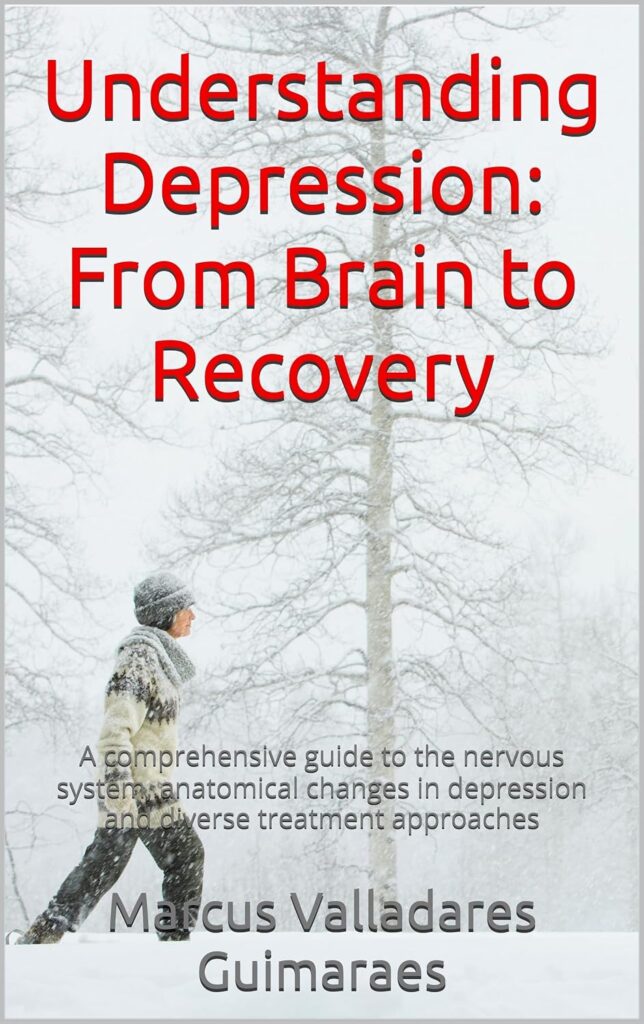
“Understanding Depression: From Brain to Recovery” is an accessible scientific guide that explains depression from neuroanatomy to healing strategies. You will discover how specific brain structures, including the hippocampus, amygdala and prefrontal cortex, are involved in the illness, the different forms of depression and a comprehensive overview of treatments beyond medications. The book dedicates particular attention to physical activity as a neurobiological ally and to Viktor Frankl’s logotherapy for finding meaning in difficulties. Written with clear and rigorous language, it offers practical tools to recognize and address depression, whether for personal experience or to help those you love.
Discover the Complete Guide – Begin Your Journey of Understanding
© 2025 Alice & Marcus Guimarães. All rights reserved.This site is proudly created with WordPress.