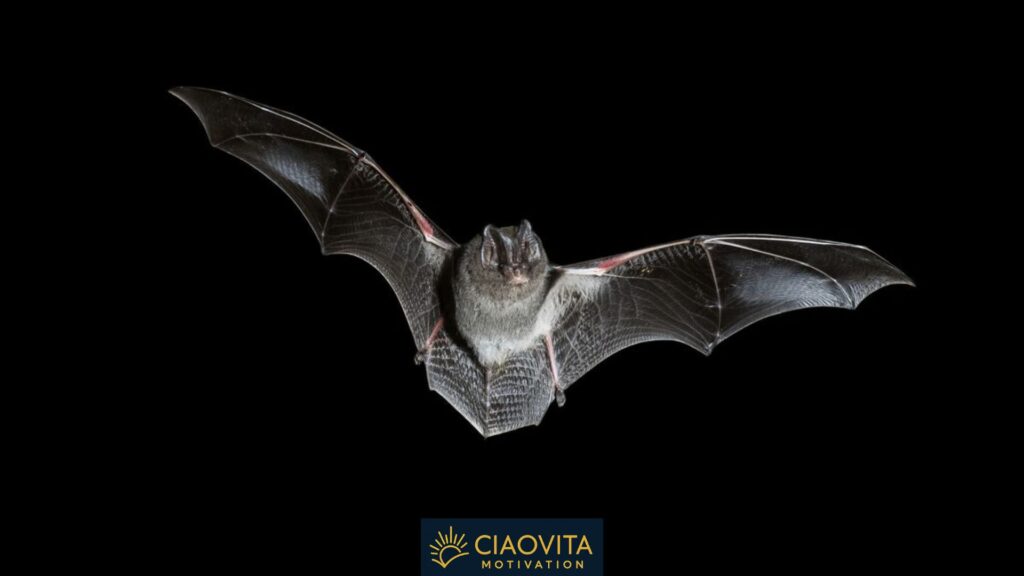
One Health approach: Bats, deforestation and pandemic risk.
How Forest Loss and Wildlife Contact Create Global Health Threats.
The world faces an escalating crisis where human health, animal welfare and environmental destruction converge in dangerous ways. The One Health approach recognizes that human health is fundamentally connected to animal health and our shared environment. Recent scientific evidence reveals how deforestation, climate change and wildlife contact create perfect conditions for deadly disease outbreaks that threaten global populations.
Understanding this interconnection has never been more critical. The COVID-19 pandemic demonstrated how quickly a virus can spread across the globe, but it represents just one example in a growing pattern. Scientists have identified that approximately 75% of emerging infectious diseases are zoonotic, meaning they jump from animals to humans. Bats play a unique role in this disease ecology, hosting more than 60 known zoonotic viruses without showing signs of illness themselves.
The One Health concept explained
The One Health approach breaks down traditional barriers between medical disciplines. It unites human medicine, veterinary medicine and environmental science into a coordinated framework. This integration allows health professionals to identify and respond to disease threats before they become pandemics.
The strategy emerged from recognition that health challenges cannot be solved through isolated efforts. Environmental health factors shape disease patterns in complex ways. When forests disappear, ecosystems collapse and create new pathways for pathogens to reach human populations.
Research published in Proceedings of the National Academy of Sciences demonstrates how deforestation from 1990 to 2016 correlates with increased outbreaks of vector-borne and zoonotic diseases. The study analyzed global data and found particularly strong associations in tropical countries where biodiversity hotspots face intense development pressure. Temperate regions showed different patterns, with reforestation sometimes contributing to disease emergence through altered ecosystems.
The World Health Organization estimates that zoonotic diseases cause billions of dollars in economic damage annually. Beyond financial costs, these outbreaks devastate communities through death, disability and social disruption. Prevention through One Health strategies costs far less than responding to emergencies after outbreaks begin.
Key elements of One Health implementation include:
- Integrated surveillance systems that monitor human, animal and environmental health simultaneously
- Cross-sector collaboration bringing together diverse expertise and resources
- Community engagement that incorporates local knowledge and priorities
- Laboratory networking to rapidly identify and characterize pathogens
- Policy coordination across government agencies and international bodies
Bats as viral reservoirs
Bats represent one of nature’s most remarkable evolutionary achievements. These flying mammals comprise about 20% of all mammalian species, with over 1,400 species distributed across every continent except Antarctica. Their ability to fly required dramatic physiological adaptations that inadvertently created ideal conditions for viral tolerance.
Research in Nature explains how 64 million years of evolution shaped bat immune systems to balance defense and tolerance. Unlike other mammals, bats maintain dampened inflammatory responses that allow them to coexist with viruses that would kill other hosts. This unique immunology makes bats exceptional reservoir species for emerging pathogens.
Scientists have documented bat populations carrying viruses from multiple families with high zoonotic potential. These include lyssaviruses like rabies, filoviruses including Ebola and Marburg, henipaviruses such as Nipah and Hendra, and coronaviruses related to SARS and COVID-19. Studies show bats host these pathogens at high viral loads without developing clinical disease.
The mechanism behind this tolerance involves several factors. Bats evolved constitutively active interferon responses that provide constant antiviral protection. Their cells express higher baseline levels of antiviral genes compared to other mammals. Additionally, bat inflammasome complexes show dampened activation, preventing the destructive inflammation that characterizes severe disease in humans.
Flight metabolism generates intense oxidative stress that would damage cellular components. Bats developed enhanced DNA repair mechanisms and antioxidant systems to cope with this challenge. These same adaptations may help them tolerate viral infections and limit cancer development despite their long lifespans relative to body size.
Understanding bat virology requires recognizing they are not “disease factories” but rather natural hosts maintaining ecological balance. Problems arise when human activities disrupt this balance and create new transmission pathways.
Nipah virus: A deadly example
The Nipah virus outbreak in Malaysia in 1998-1999 provides a sobering case study of how habitat destruction triggers disease emergence. This previously unknown henipavirus killed 105 people and forced the culling of over one million pigs. The economic and social costs devastated Malaysian pig farming communities.
Pteropus fruit bats serve as the natural reservoir for Nipah virus. These large flying foxes feed on fruit, nectar and flowers across Southeast Asia. Deforestation and agricultural expansion destroyed their natural forest habitat, forcing hungry bats to seek food sources near human settlements.
In Malaysia, bats visited mango trees planted near intensive pig farms. The bats fed on fruit and contaminated the area with saliva, urine and partially eaten fruit. Pigs consumed this contaminated material and became infected. The virus amplified in pig populations before jumping to farmers and abattoir workers through direct contact with infected animals.
Bangladesh experiences near-annual Nipah outbreaks with different transmission dynamics. People become infected by drinking fresh date palm sap that bats contaminate during nighttime feeding. The virus can then spread person-to-person through close contact, causing mortality rates ranging from 40% to 75% depending on the outbreak.
A comprehensive six-year study published in PNAS analyzed Nipah virus dynamics in Pteropus bat populations across Bangladesh. Researchers found that outbreaks in bats are driven by increased population density, loss of immunity over time and viral recrudescence. Bats carry the virus across the country and can shed it at any time of year, though human cases cluster during the November to April date palm sap harvest season.
The spatial distribution of human cases correlates with sap consumption patterns in the “Nipah belt” region. However, spillover events also occur outside this area and season, indicating the virus circulates more widely than surveillance captures. Scientists estimate that about half of all Nipah outbreaks in Bangladesh between 2007 and 2014 went unreported, suggesting many cryptic spillover events.
Critical factors in Nipah transmission include:
- Forest fragmentation that reduces bat food availability
- Proximity of fruit trees to human habitations
- Agricultural intensification creating bat-livestock interfaces
- Seasonal behavior patterns of both bats and humans
- Person-to-person transmission capability in some strains
Deforestation as a disease driver
Forest destruction operates as a major driver of infectious disease emergence through multiple interconnected pathways. When humans clear tropical forests for agriculture, logging or development, we eliminate biodiversity that provides natural disease regulation. The “dilution effect” describes how diverse ecosystems maintain many host species with varying competence for pathogen transmission.
In simplified, degraded landscapes, the most competent reservoir hosts often dominate. These species typically adapt well to human-altered environments. Rodents and certain bat species thrive in disturbed habitats and maintain high pathogen loads. Their populations increase as competing species disappear, concentrating disease risk.
A global analysis in Frontiers in Public Health examined how forest cover changes relate to disease outbreaks. Researchers found that increases in zoonotic and vector-borne disease outbreaks strongly associate with deforestation in tropical regions. The relationship held even when controlling for human population growth, indicating forest loss independently drives disease emergence.
Malaria provides extensive evidence for the deforestation-disease connection. A 13-year study of 795 municipalities in the Brazilian Amazon found that each 10% increase in deforestation led to a 3.3% increase in malaria incidence. The early stages of forest clearing showed the greatest impact, as forest edges shift and create ideal breeding habitat for Anopheles mosquitoes.
Yellow fever outbreaks in Brazil, Kenya and other regions link to forest fragmentation. The virus normally circulates in canopy-dwelling primates transmitted by mosquitoes in high forest layers. When deforestation fragments forests, mosquito vectors adapt to lower strata and peridomestic environments. This brings the transmission cycle into contact with human populations.
Research on Ebola demonstrates that most human spillover events occur in areas with the greatest forest disturbance. Forest loss emerges as a more significant risk factor than high human population density or favorable viral conditions. The 2014-2016 West African Ebola outbreak, which killed over 11,000 people, originated in regions experiencing intense forest exploitation.
Environmental changes affect disease transmission through several mechanisms:
- Altered mosquito breeding sites from standing water in cleared areas
- Increased human-wildlife contact at forest edges
- Loss of predator species that control rodent populations
- Changed microclimate conditions affecting vector survival
- Displaced wildlife forced into human-dominated landscapes
Wildlife trade and pandemic risk
The global wildlife trade moves billions of animals annually through complex supply chains. This trade includes both legal commerce in exotic pets, traditional medicine and bushmeat, plus illegal trafficking worth an estimated $23 billion per year. These activities create unprecedented opportunities for pathogen spillover and mixing.
Wildlife markets bring diverse species into close contact under stressful conditions that promote viral shedding. Animals from different ecosystems, which would never naturally interact, share cramped spaces. Viruses can jump between species, recombine and acquire new capabilities. Poor hygiene and handling practices expose traders, transporters and consumers to pathogens.
A study in Current Biology quantitatively assessed zoonotic disease risk in the wildlife trade. Researchers combined data on mammal species hosting zoonotic viruses with data on species in current and future wildlife trade. They found that one-quarter (26.5%) of mammals in wildlife trade harbor 75% of known zoonotic viruses – a much higher proportion than domesticated or non-traded mammals.
Primates, ungulates, carnivores and bats represent particularly significant risks. These groups host 132 of 226 known zoonotic viruses present in current wildlife trade. The traded mammals also harbor distinct viral compositions compared to non-traded species, suggesting the trade selectively targets high-risk reservoirs.
Investigations in Laos examined zoonotic pathogens in wildlife sold in markets. Researchers detected Leptospira bacteria, Rickettsia species causing typhus, and Orientia causing scrub typhus across multiple species. While hunters and vendors face the greatest exposure risk, the findings demonstrate how wildlife trade chains create disease transmission opportunities.
The suspected role of wildlife markets in COVID-19’s emergence has intensified scrutiny of these practices. Though the exact origins remain uncertain, the conditions in Wuhan’s Huanan Seafood Market exemplified pandemic risk factors. Live and dead animals from across China and Southeast Asia mingled in spaces with poor sanitation and ventilation.
Climate change multiplies threats
Climate change acts as a risk multiplier that exacerbates all other drivers of zoonotic disease emergence. Rising temperatures, altered precipitation patterns and extreme weather events reshape ecosystems and species distributions. These changes create novel interactions between pathogens, vectors, reservoirs and human populations.
Temperature increases allow disease vectors like mosquitoes and ticks to expand their geographic ranges into previously unsuitable areas. Warmer winters in temperate regions permit year-round transmission of diseases formerly limited to summer months. Mountain and high-latitude communities face new exposure to tropical pathogens.
Drought and food scarcity force wildlife to seek resources near human settlements. Fruit bats in Bangladesh and India travel to date palm plantations during periods of climate-stressed natural food availability. This behavior brings them into contact with humans collecting palm sap, facilitating Nipah virus transmission.
Extreme weather events like floods and hurricanes disrupt sanitation systems and displace populations. These disasters create conditions for outbreaks of waterborne diseases and force wildlife into human spaces. The breakdown of normal disease surveillance during emergencies allows pathogens to spread undetected.
Changes in temperature and humidity affect pathogen survival outside hosts. Some viruses become more stable in altered climatic conditions, while others lose viability. Vector species exhibit changed reproductive rates and feeding behaviors in response to temperature shifts. These complex effects make disease prediction increasingly challenging.
Implementing One Health solutions
Effective pandemic prevention requires systemic changes across multiple sectors. The Generalizable One Health Framework provides a five-step structure for implementing coordinated disease control programs at local, national and international levels.
The framework begins with stakeholder engagement to build political will and secure resources. Governments must commit domestic funding and personnel to support sustained One Health initiatives. Advocacy campaigns can demonstrate the cost-effectiveness of prevention compared to outbreak response.
Infrastructure assessment determines what systems, networks and capacities already exist. This includes laboratory capabilities, surveillance mechanisms, communication channels and trained personnel. Understanding current resources allows realistic planning and identifies gaps requiring investment.
Collaborative planning brings together human health, veterinary, environmental and other relevant sectors. Working groups develop integrated surveillance systems, standardized data sharing protocols and coordinated response plans. Community participation ensures programs address local priorities and contexts.
Implementation translates plans into action through laboratory networking, multi-sector surveillance and workforce development. Laboratory capacity must support rapid pathogen detection and characterization across human and animal samples. Surveillance systems need to track disease patterns in wildlife, livestock and human populations simultaneously.
Monitoring and evaluation assesses program effectiveness and adapts strategies based on evidence. Standardized frameworks help demonstrate the value of One Health approaches and justify continued investment. Data from integrated systems can identify emerging threats before they cause major outbreaks.
Practical prevention strategies include:
- Forest conservation to maintain ecosystem integrity and biodiversity
- Buffer zones between protected areas and human settlements
- Surveillance systems in high-risk wildlife-human interface areas
- Wildlife trade regulation based on disease risk assessment
- Community education about disease transmission pathways
- Agricultural practices that minimize wildlife contact
- Early warning systems for rapid outbreak detection
Conclusion
The connection between environmental health and human disease has never been more evident. Bats serve as natural viral reservoirs through unique evolutionary adaptations, not as enemies to eliminate. Deforestation destroys the ecosystems that regulate disease, forcing wildlife into human spaces and creating spillover opportunities.
Climate change, wildlife trade and agricultural expansion multiply these risks in interconnected ways. No single intervention can prevent future pandemics. The One Health approach provides a framework for coordinated action across the human-animal-environment interface.
Prevention costs far less than responding to disease emergencies. Protecting forests, regulating wildlife trade and implementing integrated surveillance systems can stop outbreaks before they spread globally. These strategies also deliver benefits for biodiversity conservation, climate change mitigation and sustainable development.
The evidence is clear and the path forward is known. What remains is the collective will to prioritize prevention over emergency response. Your health, your community’s health and the health of future generations depend on the choices we make today about how we interact with the natural world.
Understanding One Health empowers us to make better decisions. Every action to protect ecosystems, support sustainable development and maintain biodiversity contributes to pandemic prevention. The science shows that human, animal and environmental health are inseparable – and our survival depends on protecting all three.
References
- Epstein JH, et al. Nipah virus dynamics in bats and implications for spillover to humans. Proc Natl Acad Sci USA. 2020;117(46):29190-201.
- Plowright RK, et al. Pathways to zoonotic spillover. Nat Rev Microbiol. 2017;15:502-10.
- MacDonald AJ, Mordecai EA. Amazon deforestation drives malaria transmission and malaria burden. Proc Natl Acad Sci USA. 2019;116(44):22212-18.
- Rulli MC, et al. Land-use change and the livestock revolution increase the risk of zoonotic coronavirus transmission from rhinolophid bats. Nat Food. 2021;2:409-16.
- Irving AT, et al. Lessons from the host defences of bats, a unique viral reservoir. Nature. 2021;589:363-70.
- Gibb R, et al. Zoonotic host diversity increases in human-dominated ecosystems. Nature. 2020;584:398-402.
- Johnson CK, et al. Global shifts in mammalian population trends reveal key predictors of virus spillover risk. Proc R Soc B. 2020;287:20192736.
- Allen T, et al. Global hotspots and correlates of emerging zoonotic diseases. Nat Commun. 2017;8:1124.
© 2025 Alice & Marcus Guimarães. All rights reserved.This site is proudly created with WordPress.