Platelet-Rich Plasma for Joint Pain and Sports Injuries
Understanding How Your Blood Heals Osteoarthritis and Tendon Damage
Your body contains a powerful healing system activated every time you get injured. When you cut your skin or bruise a muscle, platelets rush to the damage site and release growth factors that trigger tissue repair. Platelet-rich plasma therapy takes this natural mechanism and amplifies it by concentrating these healing cells from your blood and injecting them directly into injured joints, tendons and muscles. For people struggling with chronic knee pain, tennis elbow or sports injuries that won’t heal, PRP offers a promising alternative to long-term medication or surgery. Recent meta-analyses published in 2025 analyzed data from thousands of patients and revealed exactly which formulations work, optimal dosing strategies and which conditions respond best to treatment.
How platelet-rich plasma actually works
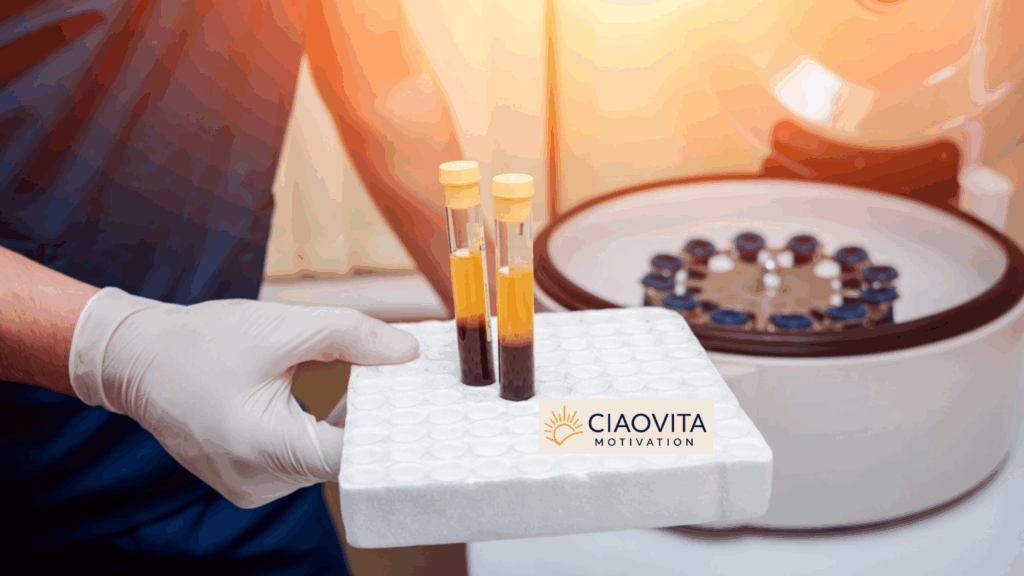
Platelet-rich plasma is not a single standardized treatment but rather a family of preparations with varying compositions. The process begins with drawing a small amount of your blood, typically 30 to 60 milliliters. This blood sample goes into a centrifuge machine that spins at high speeds to separate the components based on density. Red blood cells settle at the bottom due to their weight, while the lighter plasma layer rises to the top. Between these layers sits the buffy coat, a thin band rich in platelets and white blood cells.
The concentrated platelet layer contains two to six times more platelets than normal blood. A 2025 comprehensive narrative review published in the Journal of Clinical Medicine examined 40 high-quality studies and found that platelet concentration directly correlates with treatment success. Preparations exceeding 3.5 billion platelets per injection demonstrated significantly better outcomes than those with lower concentrations. The review identified an optimal cumulative dose of 10 to 12 billion platelets delivered across multiple treatment sessions.
When platelets activate at an injury site, they degranulate and release over 300 bioactive proteins stored in their alpha granules. The most important include platelet-derived growth factor (PDGF), transforming growth factor-beta (TGF-β), vascular endothelial growth factor (VEGF), epidermal growth factor (EGF) and insulin-like growth factor (IGF). Each plays a specific role in the healing cascade. PDGF stimulates cell proliferation and migration. TGF-β promotes collagen synthesis and tissue remodeling. VEGF triggers new blood vessel formation, ensuring adequate oxygen and nutrient delivery to healing tissue. This cocktail of growth factors creates an environment that supports faster and more complete tissue repair.
Beyond growth factors, PRP contains cytokines and other signaling molecules that modulate inflammation. While some inflammation is necessary for healing, excessive or prolonged inflammation slows recovery and contributes to chronic pain. Studies suggest that leukocyte-poor PRP formulations demonstrate superior efficacy for intra-articular applications by reducing neutrophil-mediated inflammation while preserving beneficial growth factor activity. The fibrin mesh that forms when PRP is injected acts as a temporary scaffold, holding growth factors in place and providing a framework for new tissue growth. This scaffold gradually breaks down over weeks, releasing growth factors in a controlled manner that supports sustained healing.
Evidence for knee osteoarthritis treatment
Knee osteoarthritis affects over 14 million Americans and represents one of the most common reasons people seek medical care for chronic pain. The condition occurs when protective cartilage cushioning the knee joint gradually wears away, leading to bone-on-bone contact, inflammation and disability. Traditional treatments include pain relievers, physical therapy and eventually joint replacement surgery for severe cases. Platelet-rich plasma has emerged as a potential middle-ground option that may delay or avoid surgery for many patients.
A 2025 meta-analysis published in the American Journal of Sports Medicine analyzed randomized controlled trials comparing PRP injections to placebo for knee osteoarthritis. The study found that PRP not only improved pain scores but achieved the minimal clinically important difference (MCID), meaning the improvement was large enough for patients to notice a real difference in their daily lives. This represents a crucial distinction because many treatments show statistical improvements without providing meaningful clinical benefit. The meta-analysis also revealed that platelet concentration significantly influenced outcomes, with higher doses producing better results.
Another systematic review published in January 2025 in Annals of Medicine and Surgery compared PRP to hyaluronic acid and corticosteroid injections across multiple randomized controlled trials. The findings showed that PRP provided superior pain relief and functional improvement, with the most significant benefits appearing at six months post-treatment. These effects lasted up to 12 months, considerably longer than cortisone shots which typically provide only short-term relief. The study included over 1,600 patients with knee osteoarthritis ranging from mild to moderate severity based on Kellgren-Lawrence grading.
A comprehensive umbrella review published in Frontiers in Physiology in July 2025 examined 29 systematic reviews and meta-analyses on PRP for knee osteoarthritis. This overview of reviews represents the highest level of evidence synthesis available. While the authors found promising results for pain reduction and functional improvement, they also identified significant methodological limitations in the existing literature. Many studies used different PRP preparation protocols, injection regimens and outcome measures, making direct comparisons difficult. The review emphasized the need for standardization in PRP preparation and application to improve treatment consistency.
The evidence suggests that PRP works best for patients with mild to moderate osteoarthritis classified as Kellgren-Lawrence grades I through III. Patients with severe bone-on-bone arthritis and complete cartilage loss typically see less benefit. A June 2025 narrative review in the Journal of Clinical Medicine noted that leukocyte-poor formulations outperform leukocyte-rich preparations for knee osteoarthritis by minimizing inflammatory responses while maximizing regenerative potential. The mechanism appears to involve reducing synovial inflammation, protecting remaining cartilage and possibly stimulating new tissue formation in the joint.
Interestingly, some researchers combine PRP with other treatments to enhance results. Studies have explored adding mesenchymal stem cells from adipose tissue or bone marrow concentrate to PRP injections. While preliminary data shows promise, more research is needed to determine if combination therapies offer significant advantages over PRP alone. The concept makes biological sense since stem cells provide cellular building blocks while PRP delivers the growth factor signals that direct tissue repair.
Sports medicine applications and tendinopathy evidence
Tendon injuries present unique challenges because tendons have limited blood supply, resulting in slow healing that can take months or years. Conditions like tennis elbow, patellar tendinopathy (jumper’s knee), Achilles tendinopathy and rotator cuff tears frustrate both athletes and active individuals who struggle with persistent pain and functional limitations despite conventional treatment.
A systematic review and meta-analysis published in BMC Musculoskeletal Disorders in April 2025 compared PRP to corticosteroid injections for various tendinopathies across 27 randomized controlled trials involving 1,779 patients. For lateral epicondylitis (tennis elbow), the evidence showed that PRP injections provided superior pain relief and functional improvement compared to cortisone shots, especially long-term. While corticosteroids may offer quick symptom relief, they don’t promote actual healing and may even weaken tendon tissue over time by inhibiting collagen synthesis. PRP aims to stimulate genuine repair rather than merely masking symptoms.
The results for other tendinopathies proved more variable. For rotator cuff injuries, the meta-analysis found no significant differences between PRP and corticosteroids at one month post-injection for pain or functional measures. Some studies suggest short-term improvements with PRP that diminish after 12 months. A systematic review published in March 2025 examining rotator cuff tendinopathy noted that while PRP showed promise for pain reduction in early recovery, benefits did not consistently extend beyond one year. The authors emphasized that PRP preparation heterogeneity, including leukocyte content and activation methods, likely contributes to inconsistent outcomes.
For Achilles tendinopathy, a meta-analysis published in Clinical Orthopaedics and Related Research in May 2025 delivered sobering results. The study analyzed six randomized controlled trials including 422 patients and found no benefit for PRP compared to placebo. VISA-A functional scores showed no improvement at three months, six months or one year. VAS pain scores similarly showed no difference. The meta-analysis detected possible publication bias suggesting that apparent benefits in the literature may be inflated. The authors concluded that until future high-quality trials demonstrate clear clinical benefit, PRP should not be used for Achilles tendinopathy.
A July 2025 systematic review and meta-analysis in Pain Medicine examined PRP as second-line treatment for chronic tendinopathy patients who had failed conservative therapy including physical therapy. This represents a more realistic clinical scenario since most patients attempt exercise-based rehabilitation before considering injections. The review found that PRP appears more effective when used after standard treatments fail rather than as first-line therapy. Patients who would have improved with physical therapy alone should not receive PRP, as this introduces bias that underestimates the treatment’s true efficacy in refractory cases.
For patellar tendinopathy, evidence remains mixed. Some studies show improvements in pain and function while others find no difference compared to placebo or eccentric exercise programs. The variability likely stems from differences in PRP preparation, severity of tendinopathy and whether patients receive concurrent rehabilitation. A key takeaway across all tendon conditions is that PRP works best when combined with appropriate exercise therapy that addresses movement patterns, strength imbalances and training errors. Simply injecting PRP without comprehensive rehabilitation rarely produces lasting results.
Dosing strategies and formulation science
Not all platelet-rich plasma preparations are equivalent, and this variation explains much of the inconsistency in research outcomes. A narrative review published in the Journal of Clinical Medicine in April 2025 specifically examined platelet dosing strategies in sports medicine and identified the concept of a “10 billion platelet dose” as optimal for most musculoskeletal conditions.
The review analyzed a systematic study by Berrigan and colleagues that examined 29 randomized controlled trials on PRP for knee osteoarthritis. Among 31 PRP treatment arms studied, 28 arms (90%) using doses exceeding 5.5 billion platelets reported significant clinical improvements. Studies delivering 2.3 billion platelets or fewer consistently failed to demonstrate therapeutic benefits. The review identified an ideal cumulative dose of 10 billion platelets across multiple injections, typically delivered as three to four separate treatment sessions spaced two to four weeks apart.
The science behind dosing thresholds relates to growth factor concentration at the injury site. Higher platelet counts release proportionally more bioactive proteins. Below a certain threshold, the concentration of growth factors fails to trigger adequate cellular responses. Above the threshold, healing cascades activate more robustly. The optimal range appears to be three to five times baseline platelet levels, which translates to roughly 1 to 1.5 million platelets per microliter in the PRP preparation.
Beyond platelet count, leukocyte content significantly impacts outcomes. Platelet-rich plasma preparations fall into two main categories: leukocyte-rich (LR-PRP) and leukocyte-poor (LP-PRP). Leukocyte-rich formulations contain white blood cells including neutrophils that release pro-inflammatory enzymes like matrix metalloproteinases and reactive oxygen species. For intra-articular applications in joints, these inflammatory mediators may cause harm by degrading cartilage and synovial tissue. Multiple studies now show that leukocyte-poor PRP demonstrates superior efficacy for knee osteoarthritis by reducing neutrophil-mediated inflammation.
For tendon and muscle injuries, the ideal leukocyte content remains debated. Some researchers hypothesize that controlled inflammation from leukocytes may benefit tendon healing by initiating remodeling processes. However, excessive inflammation could impair healing or cause additional tissue damage. Current evidence does not clearly favor one formulation over the other for extraarticular applications, highlighting the need for condition-specific protocols.
Activation method represents another variable. Some clinicians activate PRP with thrombin or calcium chloride before injection to trigger immediate platelet degranulation and growth factor release. Others inject unactivated PRP and rely on natural activation when platelets contact collagen in damaged tissue. The relative merits of each approach remain unclear, though natural activation may provide more sustained growth factor release compared to the rapid burst associated with external activation.
A 2020 classification system introduced a six-digit numerical code to standardize PRP characterization. This system categorizes preparations based on platelet concentration, red and white blood cell content, and activation method. Adoption of standardized reporting would greatly improve research comparability and help clinicians select optimal formulations for specific conditions.
Clinical guidelines and patient selection
Professional medical organizations have issued varying recommendations regarding platelet-rich plasma use, reflecting the evolving and sometimes contradictory evidence base. Since 2019, the American College of Rheumatology and Arthritis Foundation have conditionally recommended PRP injections for knee and hip osteoarthritis, though they note limited high-quality evidence and concerns about cost and standardization.
The Osteoarthritis Research Society International (OARSI) classifies PRP as an “uncertain” treatment for knee osteoarthritis. While acknowledging positive symptomatic outcomes in some trials, OARSI cites high variability in study designs, preparation protocols and outcome measures that prevent definitive conclusions. Similarly, the American Academy of Orthopaedic Surgeons guidelines state that evidence supporting PRP remains inconclusive due to inconsistent results and lack of standardized protocols. The VA/DoD 2020 Clinical Practice Guideline advised against routine PRP use, noting insufficient evidence for endorsement as first-line treatment.
European and international expert groups have adopted more favorable perspectives. The ESSKA (European Society of Sports Traumatology, Knee Surgery and Arthroscopy) recognizes PRP as a reasonable option for specific indications within sports medicine. This divergence between American and European recommendations likely reflects different standards for evidence thresholds and clinical practice patterns.
For patients considering PRP therapy, several factors predict better outcomes. Age plays a role, with younger patients generally responding better than older individuals. Disease severity matters considerably, as mild to moderate osteoarthritis (Kellgren-Lawrence grades I-III) shows much better results than severe end-stage arthritis. Body mass index influences outcomes, with some studies suggesting that obesity reduces PRP effectiveness, possibly due to chronic low-grade inflammation that interferes with healing.
The importance of rehabilitation cannot be overstated. Platelet-rich plasma provides biological signals for healing, but mechanical loading through appropriate exercise is necessary to guide tissue remodeling. Studies consistently show that combining PRP with structured physical therapy produces superior outcomes compared to either treatment alone. Exercise helps maintain joint mobility, strengthen supporting muscles and normalize movement patterns that may have contributed to injury.
Timing of treatment affects results as well. For acute injuries, earlier intervention may prevent chronic changes. For chronic conditions, PRP appears most effective after conservative treatments including physical therapy, activity modification and anti-inflammatory medications have been attempted without success. Using PRP as second-line therapy ensures that patients who would respond to simpler interventions don’t undergo unnecessary injections while reserving the treatment for those most likely to benefit.
Cost represents a practical consideration since insurance coverage for PRP varies widely. Most plans do not cover the procedure except for specific FDA-approved indications like bone grafting. Patients typically pay out of pocket, with costs ranging from $500 to $2,000 per injection depending on preparation method and geographic location. Multiple injections are usually recommended, potentially totaling $3,000 to $6,000 for a complete treatment course.
Safety data remains reassuring. Since PRP uses autologous blood from the patient’s own body, the risk of allergic reactions or disease transmission is minimal. Reported side effects are typically mild and include temporary pain at the injection site, swelling and bruising. Serious complications such as infection remain rare when proper sterile technique is employed. Some patients report increased pain for 24 to 48 hours after injection as the growth factors initiate inflammatory healing responses, but this usually resolves quickly.
The future of regenerative orthopedics
Platelet-rich plasma represents just one tool in the expanding field of regenerative medicine. Researchers continue exploring how to optimize PRP formulations, identify ideal patient populations and combine PRP with other biological therapies for enhanced outcomes. The concept of personalized medicine based on genetic factors may help predict which patients will respond best to PRP treatment.
Combination therapies show particular promise. Studies investigating PRP plus adipose-derived stem cells or bone marrow concentrate suggest that adding cellular therapy to growth factor delivery may produce synergistic effects. The stem cells provide building blocks for new tissue while PRP supplies the signals that direct differentiation and tissue formation. Early clinical trials show encouraging results, though larger studies are needed to confirm benefits justify the increased cost and procedural complexity.
Novel PRP preparations under investigation include platelet lysate, where platelets are intentionally ruptured to release all intracellular contents at once. This approach may provide more standardized growth factor concentrations compared to relying on natural platelet activation. Freeze-thaw cycles or ultrasound can disrupt platelet membranes to create lysate preparations. Whether these modifications improve clinical outcomes remains to be determined through comparative trials.
The role of nutrition and metabolic health in PRP effectiveness deserves attention. Emerging research suggests that vitamin D levels, omega-3 fatty acid status and overall nutritional state may influence healing responses. Patients with metabolic syndrome, diabetes or chronic inflammation may experience reduced PRP efficacy due to impaired cellular responses to growth factors. Optimizing metabolic health before and during PRP treatment could potentially enhance outcomes.
Advanced imaging techniques may help target PRP injections more precisely. Ultrasound guidance allows clinicians to visualize the needle tip and confirm accurate placement within damaged tissue. For complex joint pathology, MRI-based planning could identify specific regions that would benefit most from growth factor delivery. Precision medicine approaches using imaging biomarkers to guide treatment decisions represent an exciting frontier.
Standardization efforts continue at both scientific and regulatory levels. Professional societies are working to establish consensus protocols for PRP preparation, handling and administration. Regulatory bodies including the FDA are evaluating whether and how to classify various PRP products, which could lead to more rigorous quality control and manufacturing standards. Greater standardization would improve research reproducibility and help clinicians select evidence-based protocols with confidence.
Conclusion
Platelet-rich plasma therapy harnesses your body’s innate healing capacity to address joint pain and sports injuries through a biologically elegant mechanism. The treatment concentrates growth factors and bioactive proteins from your own blood and delivers them directly to damaged tissue, where they stimulate cellular repair processes. For knee osteoarthritis, particularly in mild to moderate cases, substantial evidence from multiple 2025 meta-analyses demonstrates that properly prepared PRP reduces pain and improves function more effectively than traditional cortisone or hyaluronic acid injections. These benefits can last 12 months or longer when combined with appropriate rehabilitation.
Success depends critically on formulation details. Leukocyte-poor preparations with platelet concentrations exceeding 3.5 billion per injection and cumulative doses around 10 billion platelets produce the best outcomes. Lower concentrations consistently fail to achieve meaningful clinical improvements. For tennis elbow and other lateral epicondylitis cases, PRP offers clear advantages over corticosteroids with superior long-term results. However, not all conditions respond equally well. Achilles tendinopathy shows no benefit from PRP treatment according to the latest randomized controlled trials, while evidence for rotator cuff tendinopathy and other muscle injuries remains mixed.
Patient selection matters enormously. Younger individuals with milder disease who have attempted conservative therapies without success represent ideal candidates. Combining PRP with structured physical therapy, proper nutrition and metabolic health optimization maximizes the likelihood of successful outcomes. As regenerative medicine continues advancing with improved standardization, combination therapies and precision medicine approaches, platelet-rich plasma will likely become an increasingly valuable tool for helping people avoid surgery, reduce pain and restore function to damaged joints and tendons.
References
- Bensa A, Previtali D, Sangiorgio A, Boffa A, Salerno M, Filardo G. PRP injections for the treatment of knee osteoarthritis: the improvement is clinically significant and influenced by platelet concentration: a meta-analysis of randomized controlled trials. Am J Sports Med. 2025;53(5):779-90.
- Platelet-rich plasma for knee osteoarthritis: a comprehensive narrative review of the mechanisms, preparation protocols, and clinical evidence. J Clin Med. 2025;14(11):3983.
- Yi L, Qiu F, Song H, Huang H, Zhang G. Platelet rich plasma injections for knee osteoarthritis: an overview of systematic reviews. Front Physiol. 2025;16:15985.
- Comparative effectiveness of intra-articular therapies in knee osteoarthritis: a meta-analysis comparing platelet-rich plasma with other treatment modalities. Ann Med Surg. 2024;86(1):361-72.
- Ye Z, Yuan Y, Kuang G, et al. Platelet-rich plasma and corticosteroid injection for tendinopathy: a systematic review and meta-analysis. BMC Musculoskelet Disord. 2025;26:339.
- Nadeau-Vallée M, Ellassraoui S, Brulotte V. Platelet-rich plasma injections as a second-line treatment in patients with tendinopathy-related chronic pain and failure of conservative treatment: a systematic review and meta-analysis. Pain Med. 2025;26(7):407-19.
- Barreto ESR, Antunes Júnior CR, Silva IC, et al. Is platelet-rich plasma effective in treating Achilles tendinopathy? A meta-analysis of randomized clinical trials. Clin Orthop Relat Res. 2025;483(5):779-790.
- Re-evaluating platelet-rich plasma dosing strategies in sports medicine: the role of the “10 billion platelet dose” in optimizing therapeutic outcomes. J Clin Med. 2025;14(8):2714.
- Everts P, Onishi K, Jayaram P, Lana JF, Mautner K. Platelet-rich plasma: new performance understandings and therapeutic considerations in 2020. Int J Mol Sci. 2020;21(20):7794.
- Kolasinski SL, Neogi T, Hochberg MC, et al. 2019 American College of Rheumatology/Arthritis Foundation guideline for the management of osteoarthritis of the hand, hip, and knee. Arthritis Care Res. 2020;72(2):149-62.
© 2025 Alice & Marcus Guimarães. All rights reserved.This site is proudly created with WordPress.