Probiotics for Irritable bowel syndrome Relief
What Science Really Says. Evidence-based insights on managing irritable bowel symptoms.
Irritable bowel syndrome affects millions worldwide, causing recurrent abdominal pain and altered bowel habits that significantly impact quality of life. While the exact cause remains elusive, emerging research suggests gut microbiota alterations play a crucial role in IBS development and symptom severity. This has positioned probiotics as a promising therapeutic approach for managing this chronic condition.
Two comprehensive systematic reviews have analyzed the efficacy and safety of probiotics in IBS treatment, examining data from thousands of patients across multiple randomized controlled trials. The findings reveal compelling evidence that specific probiotic combinations can provide meaningful symptom relief, though the effectiveness varies depending on strain selection, dosage, and IBS subtype.
Understanding IBS and Gut Microbiota
Irritable bowel syndrome is characterized by abdominal pain associated with changes in bowel habits, manifesting as diarrhea, constipation or a mixed pattern. The global prevalence reaches approximately 11% to 15%, with significant variation between regions. The condition substantially affects productivity and mental wellbeing, with patients often experiencing coexisting anxiety and depression.
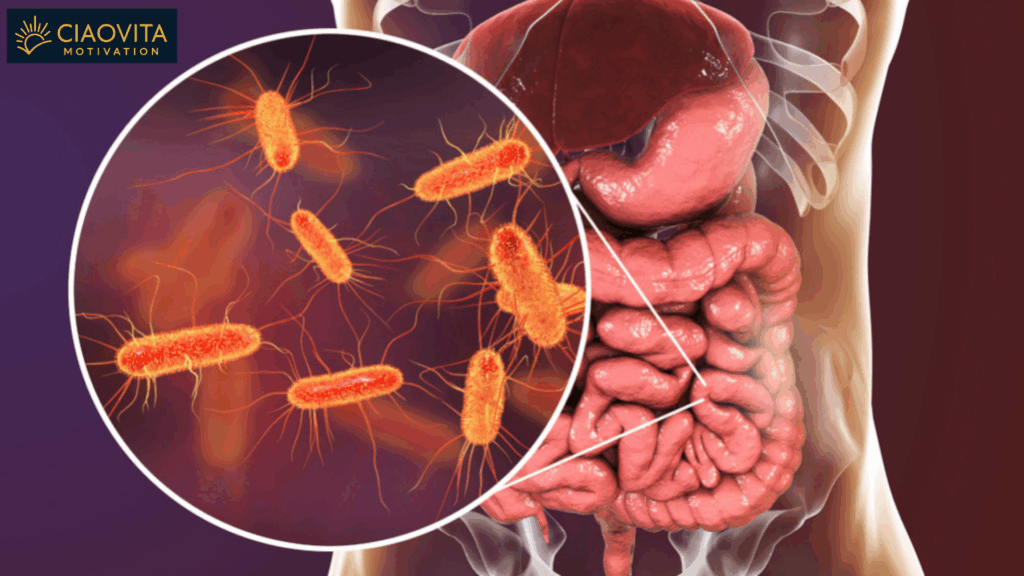
Research has consistently demonstrated that individuals with IBS exhibit gut dysbiosis compared to healthy controls. This imbalance in intestinal microbiota composition and diversity appears to contribute to symptoms like bloating, abdominal pain, and irregular bowel movements. Post-infectious IBS development after gastroenteritis further supports the microbiota’s role in symptom generation.
Studies examining fecal microbiota have revealed distinct microbial signatures associated with IBS severity. Symptom intensity negatively correlates with microbial richness, suggesting that restoring gut microbiota balance through probiotics could potentially alleviate IBS symptoms.
The Evidence: What Research Reveals
A systematic review analyzing 28 randomized controlled trials with 3,606 participants found that probiotics significantly reduced overall IBS symptoms compared to placebo. The relative risk of symptom improvement was 1.50, meaning patients receiving probiotics were 50% more likely to experience symptom relief. The number needed to treat was five, indicating that one in five patients would benefit from probiotic therapy.
Another analysis of 23 studies involving 3,288 participants demonstrated similar positive results. Probiotics significantly reduced abdominal pain with a mean difference of minus 1.66 points on standardized scales. Bloating scores also improved significantly, with a mean difference of minus 2.13 points. Quality of life measurements showed meaningful enhancement, with an average increase of 8.77 points.
Combination Probiotics Show Strongest Results
The research revealed important distinctions between different probiotic approaches. Combination or multi-strain probiotics demonstrated the most consistent benefits across studies. Twelve trials evaluating 1,240 patients found combination probiotics significantly improved symptoms with a relative risk of 1.47. The number needed to treat was six for combination formulations.
Common effective combinations included various Lactobacillus species paired with Bifidobacterium strains. These formulations typically contained multiple bacterial species working synergistically to restore gut microbiota balance. Multi-strain preparations appeared more effective than single-species probiotics, though the optimal combination remains under investigation.
Individual Strain Effectiveness
Results for individual probiotic species showed more variable outcomes. Lactobacillus species alone showed inconsistent benefits across five trials involving 802 patients, with no clear advantage over placebo when results were pooled. However, specific Lactobacillus strains like L. plantarum and L. acidophilus demonstrated positive effects in some individual studies.
Bifidobacterium species studied in two trials with 484 patients showed a trend toward benefit, particularly for overall symptom scores and abdominal pain reduction. The results suggested potential efficacy, though more research is needed to confirm these findings.
Escherichia coli Nissle 1917 was evaluated in two trials with 418 patients but showed little benefit for overall IBS symptoms. Saccharomyces boulardii, assessed in one trial with 100 patients, similarly demonstrated minimal advantage over placebo.
Impact on Specific Symptoms
Abdominal pain, one of the most distressing IBS symptoms, responded favorably to probiotic treatment. Twenty studies involving 5,634 observations demonstrated significant pain reduction with probiotics. The standardized mean difference of minus 0.31 indicated clinically meaningful improvement in pain scores.
Bowel habit normalization occurred in 15 studies with 4,850 patients. Probiotics showed significant improvement with a mean difference of minus 1.52, demonstrating particular benefit for diarrhea-predominant IBS. Patients with IBS-D experienced more consistent improvements than those with constipation-predominant or mixed-type IBS.
Bloating and abdominal distension, commonly reported by IBS patients, improved modestly with probiotic therapy. Seventeen studies involving 5,044 participants revealed a mean difference of minus 2.13, suggesting probiotics can help reduce these uncomfortable symptoms.
Safety and Tolerability
Safety data from eight trials involving 1,654 patients demonstrated that probiotics were well-tolerated. Adverse events occurred in 35% of probiotic recipients compared to 33.5% of placebo recipients, showing no significant difference between groups. Reported side effects were generally mild and included abdominal discomfort, diarrhea, constipation, and occasional nausea.
The favorable safety profile supports probiotics as a low-risk intervention for IBS management. Most participants tolerated the supplements well throughout treatment durations ranging from four to 24 weeks. No serious adverse events were attributed to probiotic consumption in the analyzed studies.
Treatment Duration and Dosage
Effective treatment durations varied across studies, ranging from two weeks to six months. Many trials used intervention periods of eight to 12 weeks, which appeared sufficient to produce measurable symptom improvements. Longer treatment durations with high-dose multi-strain probiotics often resulted in more sustained benefits.
Dosages ranged considerably from 10⁷ to 10¹¹ colony-forming units daily. Higher doses, particularly in multi-strain formulations, tended to produce better outcomes. However, the optimal dosage remains unclear and likely varies depending on the specific strains and IBS subtype being treated.
Quality of Life Improvements
Beyond symptom reduction, probiotics demonstrated meaningful improvements in quality of life measures. Thirteen studies involving 4,680 observations showed that probiotic treatment significantly enhanced QoL satisfaction scores. The mean difference of 8.77 points reflected probiotics’ potential to address the psychosocial burden of IBS, helping patients feel more in control of their symptoms.
Quality of life encompasses physical comfort, emotional wellbeing, and social functioning. By reducing symptom severity and frequency, probiotics helped participants experience less interference with daily activities, work productivity, and social interactions.
Limitations and Future Directions
Despite encouraging results, several limitations warrant consideration. High heterogeneity between studies reflected variations in diagnostic criteria, probiotic strains, dosages, treatment durations, and outcome measurements. This variability makes it challenging to draw definitive conclusions about optimal treatment protocols.
Publication bias was detected in some analyses, suggesting that studies with negative or neutral results may be underrepresented in the literature. This could lead to overestimation of probiotic effectiveness.
The precise mechanisms by which probiotics improve IBS symptoms remain incompletely understood. Proposed mechanisms include modulating gut microbiota composition, enhancing intestinal barrier function, reducing inflammation, and influencing gut-brain axis signaling. Further research is needed to elucidate these pathways.
Clinical Implications
For healthcare providers and patients, current evidence suggests that specific probiotic combinations may offer worthwhile benefits for IBS management, particularly for diarrhea-predominant and mixed-type IBS. Multi-strain formulations appear more consistently effective than single-species products.
Probiotics should be considered as part of a comprehensive IBS management approach that may include dietary modifications, stress management, and conventional medications when needed. The favorable safety profile makes probiotics an attractive option for patients seeking natural or complementary therapies.
Patients interested in trying probiotics should discuss options with their healthcare providers, focusing on multi-strain formulations with evidence supporting their use in IBS. Treatment duration should typically extend at least eight to 12 weeks to assess effectiveness adequately.
CONCLUSION
Current scientific evidence demonstrates that specific probiotic combinations can effectively reduce IBS symptoms, particularly abdominal pain, bloating, and altered bowel habits. Multi-strain formulations show the most consistent benefits, with favorable safety profiles and minimal adverse effects. While not all patients respond equally, probiotics represent a valuable therapeutic option for IBS management, especially for those with diarrhea-predominant symptoms. Future research should focus on identifying optimal strain combinations, dosages, and treatment durations while exploring the mechanisms underlying probiotic benefits. As our understanding of the gut microbiome deepens, personalized probiotic approaches may emerge to maximize therapeutic outcomes for individual patients.
REFERENCE
1- Almabruk BA, Bajafar AA, Mohamed AN, et al. Efficacy of Probiotics in the Management of Irritable Bowel Syndrome: A Systematic Review and Meta-Analysis. Cureus. 2024;16(12):e75954.
2- Sun JR, Kong CF, Qu XK, Deng C, Lou YN, Jia LQ. Efficacy and safety of probiotics in irritable bowel syndrome: A systematic review and meta-analysis. Saudi J Gastroenterol. 2020;26:66-77.
© 2025 Alice & Marcus Guimarães. All rights reserved.This site is proudly created with WordPress.