Sedentary Behavior Raises Cancer Risk: What Science Shows
How Daily Sitting Habits Affect Your Health and Prevention
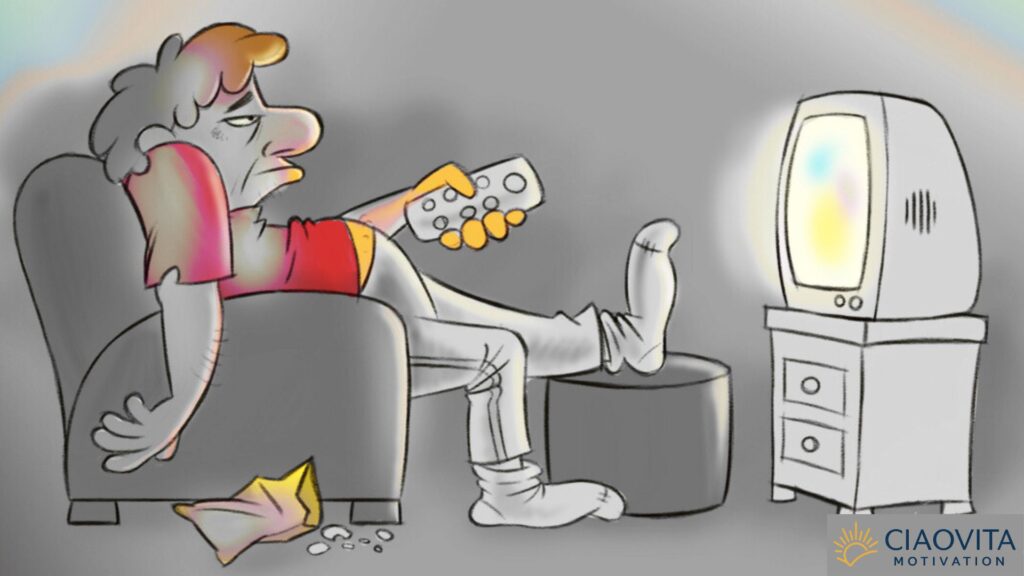
Your chair might be the most dangerous place you spend your day. This statement isn’t an exaggeration or health scare tactic. Comprehensive scientific evidence now reveals that sedentary behavior significantly increases your risk of developing several types of cancer and dying from cancer you already have. Most adults now spend more than eight hours each day sitting, and this modern lifestyle pattern is creating measurable harm that shows up in cancer statistics worldwide.
A landmark umbrella review analyzed data from 77 individual studies covering more than 200,000 cancer cases. The findings paint a clear picture that health professionals can no longer ignore. High levels of sedentary behavior significantly increase the risk of developing six specific types of cancer. This extensive research goes beyond observational studies to identify patterns too strong to dismiss as coincidence or confounding factors.
Understanding the connection between sitting and cancer matters because this is a risk factor you can change starting today. Unlike genetic predisposition or past exposures to carcinogens, your sitting time represents a modifiable behavior. The evidence now shows that small consistent changes in your daily routine create measurable reductions in cancer risk.
The Six Cancers Linked to Sedentary Behavior
The umbrella review identified statistically significant associations between sedentary behavior and six specific cancer types. These findings emerged from rigorous meta-analyses that combined results from multiple high-quality studies. The strength of these associations varied by cancer type, but all showed concerning patterns.
Ovarian cancer demonstrated one of the strongest connections to sedentary behavior. Women who sit for extended periods daily face a 29% increased risk compared to women who sit less. This finding remained significant even after researchers adjusted for other risk factors like body weight, family history and reproductive factors. The hormonal changes triggered by prolonged sitting appear to create an environment that promotes ovarian cancer development.
Endometrial cancer showed an identical 29% risk increase among highly sedentary women. This connection makes biological sense when you consider how sitting affects hormone levels. Fat tissue produces excess estrogen, and sedentary behavior promotes fat accumulation particularly around the midsection. Higher estrogen levels stimulate cell growth in the uterine lining, increasing cancer risk. Women who reduce their sitting time show measurable improvements in hormone profiles within weeks.
Colon cancer risk increased by 25% among people with high sitting time. This association remained significant even in analyses that adjusted for physical activity levels. The mechanism appears to involve slowed digestive transit time. When you sit for hours, food and waste products move more slowly through your intestines. This gives potentially harmful substances more time to contact intestinal walls, promoting cellular changes that can lead to cancer.
Breast cancer risk rose by 8% among highly sedentary individuals. While this percentage seems smaller than for other cancers, the large number of people who develop breast cancer means this translates to thousands of additional cases each year. The connection operates through multiple pathways including weight gain, hormone changes and inflammation.
Prostate cancer and rectal cancer each showed a 7-8% increased risk. The prostate cancer association appeared particularly strong in analyses that did not adjust for body mass index, suggesting that weight gain represents a key mechanism. For rectal cancer, the mechanisms mirror those for colon cancer, involving slowed transit time and prolonged exposure to bile acids.
The Overall Cancer Mortality Picture
Beyond increasing the risk of developing specific cancers, sedentary behavior appears to worsen outcomes once cancer develops. The research revealed an 18% increased risk of dying from any cancer among highly sedentary people compared to those who sit less. This finding emerged from analyzing data from 17 separate studies tracking more than 50,000 cancer deaths over multiple years.
Think about what this statistic means in practical terms. If you spend most of your day sitting, your chance of surviving cancer diagnosis decreases by nearly one-fifth compared to someone with similar cancer who sits less. This association held even after researchers accounted for factors like age, smoking status, cancer stage at diagnosis and treatment received. The relationship between sitting and cancer mortality operates independently of these other important factors.
The mortality connection suggests that sedentary behavior not only increases cancer development risk but may also promote cancer progression and reduce treatment effectiveness. Some research indicates that people who maintain highly sedentary habits after cancer diagnosis face particularly poor outcomes. A study of colorectal cancer patients found that those with high post-diagnosis sitting time faced a 61% higher risk of dying from their cancer compared to less sedentary patients.
Understanding How Sitting Promotes Cancer
Several biological mechanisms explain how prolonged sitting creates an environment conducive to cancer development. Understanding these pathways helps make the connection between your daily habits and long-term health outcomes more concrete and motivates behavior change.
First, sedentary behavior strongly promotes weight gain and obesity. When you sit for extended periods, your metabolism slows dramatically. Your muscles burn minimal calories, and your cells become less responsive to insulin signals. Your body shifts into a state where it preferentially stores energy as fat rather than burning it for fuel. Over time, this leads to fat accumulation particularly around your midsection. Obesity itself is an established risk factor for at least 13 different cancer types.
The obesity-cancer connection operates through multiple pathways. Fat tissue acts as an endocrine organ, producing hormones and inflammatory molecules. Excess fat produces elevated levels of estrogen in both women and men. Higher estrogen levels increase risks for breast, endometrial and ovarian cancers by promoting cell proliferation in hormone-sensitive tissues. Fat tissue also produces inflammatory molecules called cytokines. Chronic low-grade inflammation creates an environment where cells are more likely to develop cancerous mutations and resist normal growth controls.
Second, sedentary behavior promotes insulin resistance even before obesity develops. When you sit for hours, your muscle cells become less responsive to insulin signals. Your pancreas must produce more insulin to maintain normal blood sugar levels. These elevated insulin levels, along with increased insulin-like growth factor, stimulate cell growth and division throughout your body. This proliferation increases cancer risk because more cell divisions mean more opportunities for DNA copying errors that can lead to cancer. The insulin resistance triggered by sitting time appears within hours and worsens progressively with chronic sedentary behavior.
Third, sitting affects how your body processes and eliminates potential carcinogens. Digestive transit slows when you remain seated for extended periods. This gives bile acids and other substances more time to contact intestinal walls, potentially promoting colon and rectal cancers. The mechanical stimulation that occurs during movement appears to help maintain healthy gut function. Reduced physical movement also means fewer opportunities for your body’s natural detoxification processes to work efficiently. Movement increases blood flow, promotes lymphatic drainage and enhances the clearance of metabolic waste products.
TV Viewing Shows Particularly Strong Effects
Several analyses within the umbrella review examined different types of sedentary behavior separately. An interesting pattern emerged that deserves special attention. TV viewing time showed stronger associations with cancer risk than other forms of sitting like desk work or car driving. This finding appears across multiple studies and cancer types.
Why would sitting while watching TV be worse than sitting at a desk? Several factors likely contribute to this pattern. People who watch extensive TV also tend to snack more, particularly on processed foods high in sugar and unhealthy fats. The combination of sitting and eating calorie-dense foods amplifies the metabolic dysfunction. The blue light from screens may disrupt sleep patterns and circadian rhythms. Poor sleep quality is independently associated with increased cancer risk through effects on immune function and DNA repair processes.
Additionally, TV watching often represents purely recreational sitting that occurs after already sitting much of the day at work. Someone might sit eight hours at their job, sit during their commute and then sit four more hours watching TV in the evening. This pattern creates very limited daily movement. The context of TV viewing also matters. People typically watch TV in the evening when their metabolism is already slowing in preparation for sleep. This timing may amplify the negative metabolic effects of sitting.
One large study found that each additional hour of daily TV viewing increased cancer mortality risk by 3%. This dose-response relationship strengthens confidence that the association is real and causal. If sitting time did not truly affect cancer risk, you would not expect to see risk increase proportionally and predictably with more sitting time.
Small Changes Create Real Impact
The sobering research on sedentary behavior and cancer comes with an empowering message. You can take concrete steps to reduce your risk starting today. You do not need to run marathons or spend hours at the gym. Small consistent changes in your daily routine create meaningful differences in cancer risk.
Start with the 30-minute rule. Research suggests that breaking up prolonged sitting with brief movement breaks every 30 minutes helps counteract negative metabolic effects. Set a timer on your phone or computer. When it goes off, stand up and move for just two to three minutes. Walk to get water, do some stretches or simply stand while continuing your work. These brief interruptions appear sufficient to reset some of the metabolic changes triggered by sitting. Your muscles need regular activation throughout the day, not just during a dedicated exercise session.
Consider your work environment and commute patterns. If you drive to work, could you park farther away and walk more? Could you take stairs instead of elevators? At work, explore standing desk options or create a schedule for alternating between sitting and standing throughout the day. Walking meetings offer another effective strategy. Instead of sitting in a conference room, suggest discussing matters while walking outside. Many people report that walking meetings actually improve creativity and problem-solving.
Evaluate your evening habits honestly. How much time do you spend sitting in front of the TV or computer? Even if you love your favorite shows, consider ways to make viewing more active. Stand during commercials. Use a stationary bike or treadmill while watching. Do stretches or light exercises during slower scenes. These small modifications accumulate over time. Every hour you spend moving instead of sitting reduces your cancer risk measurably.
The Exercise Question Everyone Asks
People often ask whether regular exercise compensates for sitting all day. This question reflects a common misconception about how physical activity and sedentary behavior relate to health. The research indicates that exercise definitely helps but does not fully eliminate the risks from prolonged sedentary time.
Think of exercise and reducing sedentary behavior as two separate goals that both matter for cancer prevention. These behaviors operate through partially different biological pathways. A person who exercises 30 minutes daily but sits 10 hours still faces higher cancer risk than someone who exercises 30 minutes and sits only six hours. The metabolic changes from sitting appear to operate somewhat independently of the benefits from structured exercise.
Conversely, even if you cannot exercise much due to health limitations, time constraints or other barriers, reducing sitting time still benefits your health measurably. The goal is to increase movement throughout your entire day, not just during designated exercise time. Those 30 minutes at the gym are important, but so are the other 15 waking hours of your day. Your body responds to the total pattern of activity and inactivity over 24 hours.
Research using objective activity monitors shows that replacing 30 minutes of sitting time with light physical activity reduces cancer mortality risk by 8%. Replacing 30 minutes of sitting with moderate to vigorous activity reduces cancer mortality risk by 31%. These findings demonstrate that any increase in movement helps. You do not need to achieve high-intensity exercise to gain benefit. Even light activities like casual walking, household chores or gardening provide meaningful protection.
Creating Lasting Change
Moving beyond individual actions, societal and workplace changes could dramatically reduce population-level sitting time and cancer risk. Many innovative companies now recognize that worker health and productivity improve when employees move more throughout the workday.
Some workplaces have installed walking desks or treadmill workstations. Others have created active meeting spaces with standing tables or walking paths. Some employers offer standing desk options or adjustable workstations that allow alternating between sitting and standing. Making stairs appealing and visible encourages their use. Providing on-site fitness facilities or subsidizing gym memberships supports regular exercise. These environmental changes make it easier for people to choose less sedentary behaviors without requiring constant willpower.
Urban planning also affects sitting time and cancer risk at the population level. Communities designed for walking, with safe sidewalks, crosswalks, parks and mixed-use development, enable residents to sit less during daily activities. Public transportation use typically involves more walking than car commutes. Access to recreational facilities and green spaces promotes physical activity. These community-level factors shape health outcomes as much as individual choices.
The Path Forward
The scientific evidence clearly shows that prolonged sitting increases your risk of developing several types of cancer and dying from cancer. The associations are particularly strong for ovarian, endometrial, colon and breast cancers. The risk appears to operate through multiple biological pathways including obesity, insulin resistance, chronic inflammation and hormonal changes. Importantly, this represents a modifiable risk factor that you can address through behavior change.
The empowering message in this research is that you control many factors influencing your sitting time. Unlike some cancer risk factors such as genetics or past exposures, you can modify your sedentary behavior starting today. Begin by honestly assessing how much you currently sit during a typical day. Many people are surprised when they actually track their sitting time.
Then identify opportunities for change. Perhaps you could stand during phone calls. Maybe you could walk while listening to podcasts instead of sitting. Could you reduce evening TV time by one hour and take an evening walk instead? Could you suggest a walking meeting with a colleague? These small modifications compound into significant health benefits over time.
Remember that you do not need to transform your entire lifestyle overnight. Start with one or two modifications and build from there. The research shows that even modest reductions in sitting time create measurable cancer risk reduction. Your future self will thank you for taking action today to reduce your sitting time and protect your health.
Conclusion
Sedentary behavior has emerged as an independent risk factor for cancer development and cancer mortality. The evidence comes from rigorous analyses of hundreds of thousands of cancer cases across multiple countries and populations. High sitting time increases risk for ovarian, endometrial, colon, breast, prostate and rectal cancers. The relationship operates through biological mechanisms including obesity promotion, insulin resistance and chronic inflammation.
The good news is that this risk factor is modifiable. Breaking up sitting time with brief movement breaks, replacing sedentary leisure activities with light physical activity and creating more active work environments all reduce cancer risk. Small consistent changes create meaningful health benefits. Every hour you spend moving instead of sitting represents an investment in your long-term health and cancer prevention.
References
- Hermelink R, Leitzmann MF, Markozannes G, et al. Sedentary behavior and cancer-an umbrella review and meta-analysis. Eur J Epidemiol. 2022;37:447-60.
- Nguyen S, Bellettiere J, Di C, et al. Sitting time and risk of cancer incidence and cancer mortality in postmenopausal women: the Women’s Health Accelerometry Collaboration. Cancer Epidemiol Biomarkers Prev. 2025 Jul 2. doi: 10.1158/1055-9965.EPI-24-1255.
- Gilchrist SC, Howard VJ, Akinyemiju T, et al. Association of sedentary behavior with cancer mortality in middle-aged and older US adults. JAMA Oncol. 2020;6(8):1210-17.
- Chang Q, Zhu Y, Liu Z, et al. Replacement of sedentary behavior with various physical activities and the risk of all-cause and cause-specific mortality. BMC Med. 2024;22(1):385.
- Friedenreich CM, Ryder-Burbidge C, McNeil J. Physical activity, obesity and sedentary behavior in cancer etiology: epidemiologic evidence and biologic mechanisms. Mol Oncol. 2021;15(3):790-00.
- Patterson R, McNamara E, Tainio M, et al. Physical activity, sedentary behaviour, diet, and cancer: an update and emerging new evidence. Lancet Oncol. 2018;19(8):e457-e471.
- Swain CTV, Nguyen NH, Eagles T, et al. Postdiagnosis sedentary behavior and health outcomes in cancer survivors: a systematic review and meta-analysis. Cancer. 2020;126(4):861-69.
© 2025 Alice & Marcus Guimarães. All rights reserved.This site is proudly created with WordPress.