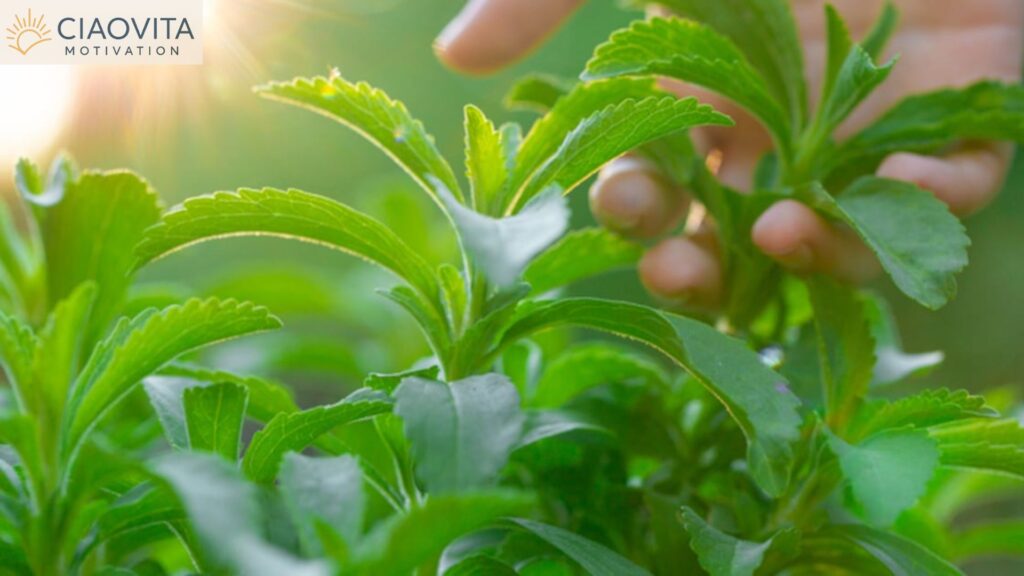
Stevia: Natural Sweetener Science Reveals Surprising Health Benefits
Understanding how this zero-calorie plant extract affects blood sugar, appetite and metabolic health
The sweet taste Americans crave comes with a bitter price. Added sugars contribute to obesity, diabetes and cardiovascular disease across the United States. Health organizations worldwide recommend reducing free sugar consumption by 5 to 10 percent. Yet giving up sweetness feels nearly impossible for most people. This challenge has driven millions toward sugar substitutes, but questions remain about their safety and effectiveness.
Enter stevia, a natural sweetener derived from the leaves of Stevia rebaudiana Bertoni, a plant native to South America. For centuries, indigenous communities used stevia leaves to sweeten foods and treat diabetes. Today, high-purity steviol glycoside extracts appear in products throughout American grocery stores. The sweet compounds in stevia, called steviol glycosides, are 200 times sweeter than table sugar yet contain zero calories. But does stevia offer more than simple calorie reduction? Recent scientific research reveals surprising metabolic benefits that go far beyond replacing sugar in your coffee.
How stevia works in your body
Your digestive system cannot break down steviol glycosides in the upper gastrointestinal tract. Enzymes and stomach acid lack the capability to digest these sweet compounds. Instead, steviol glycosides travel intact to your colon, where gut bacteria break them down into their basic component called steviol. Your body quickly absorbs steviol and transports it to the liver. There, enzymes convert steviol into steviol glucuronide, which eventually exits your body through urine.
This metabolic pathway explains why stevia contains no calories despite its intense sweetness. The sugar molecules attached to steviol get removed before absorption, leaving behind only the non-caloric backbone. Research suggests this metabolic process may trigger beneficial effects on insulin secretion and glucose metabolism. Understanding blood glucose control becomes crucial when considering how different sweeteners affect your metabolic health.
Blood glucose benefits backed by science
A 2024 meta-analysis published in Diabetes & Metabolic Syndrome examined 26 studies involving 1,439 participants who consumed stevia. Results showed stevia consumption significantly reduced blood glucose levels by an average of 3.84 mg/dL. This reduction proved especially pronounced in specific groups. People with higher body mass index showed stronger glucose-lowering effects. Individuals with diabetes experienced better results than healthy participants. Those with hypertension also demonstrated more significant glucose reductions.
Timing matters when using stevia for glucose control. The dose-response analysis revealed that consuming at least 3,342 mg per day of stevia produced measurable glucose reductions. More importantly, duration played a critical role. Studies lasting between one and four months showed significant benefits, while shorter trials produced less consistent results. This suggests your body needs time to adapt to regular stevia consumption before metabolic improvements become apparent.
The 2019 systematic review analyzing nine randomized controlled trials with 462 participants found additional cardiovascular benefits. Stevia consumption produced a significant reduction in systolic blood pressure of 6.32 mmHg compared to placebo. However, researchers found non-significant trends for other markers including BMI, diastolic blood pressure, fasting blood glucose and cholesterol levels. The connection between metabolic syndrome and sweetener choices deserves careful consideration given these cardiovascular findings.
Appetite control without the rebound
One persistent concern about artificial sweeteners centers on their potential effects on appetite and subsequent food intake. Do non-nutritive sweeteners trick your brain into eating more later? A comprehensive 2025 meta-analysis in Obesity Reviews investigated this question by examining 11 clinical trials with 428 total participants. Researchers assessed multiple appetite measures including hunger, desire to eat, fullness and prospective food consumption.
The findings provide reassurance for stevia users. Stevia consumption showed no significant effect on any appetite score. Study participants reported no increases in hunger after consuming stevia compared to control conditions. The desire to eat remained unchanged. Feelings of fullness did not differ between stevia and placebo groups. Most importantly, participants did not compensate for the missing calories by eating more food later in the day.
These results suggest stevia functions differently than your body’s natural satiety mechanisms. When you consume sugar, glucose and insulin responses signal satisfaction to your brain. Stevia provides sweetness without triggering these hormonal cascades, yet it fails to increase appetite or drive compensatory eating. This neutral effect on appetite supports healthy weight management strategies without the concern of increased hunger driving you toward extra calories.
What stevia does not change
Understanding what stevia cannot do proves equally important as recognizing its benefits. A 2023 meta-analysis examined 14 randomized controlled trials to assess how non-nutritive sweeteners, including stevia, affect lipid profiles in adults. Five studies specifically tested stevia-based sweeteners with 509 participants. Results showed stevia consumption had no significant effect on total cholesterol, LDL cholesterol, HDL cholesterol or triglycerides.
Subgroup analysis revealed one exception. In people with normal baseline LDL levels below 100 mg/dL, stevia produced a small but statistically significant increase of 4.23 mg/dL. This minor elevation remains far below clinically concerning thresholds. For the vast majority of users, stevia appears metabolically neutral regarding blood lipids. The same meta-analysis found stevia did not significantly affect HbA1c levels, a marker of long-term glucose control measured over three months.
The neutral effect on cholesterol distinguishes stevia from some other dietary interventions. While Mediterranean dietary patterns can improve lipid profiles through multiple mechanisms, stevia works primarily through glucose pathways rather than lipid metabolism. This suggests stevia functions best as part of comprehensive lifestyle changes rather than as a standalone solution for cardiovascular health.
Animal research reveals dose responses
Preclinical studies using animal models provide insights into stevia’s mechanisms that human trials cannot easily explore. A 2022 systematic review analyzed 16 studies examining stevia’s effects in diabetic rats and mice. Nine studies qualified for quantitative meta-analysis. Results demonstrated clear dose-dependent relationships between stevia consumption and blood glucose reduction.
Doses of 200, 300 and 400 mg per kilogram of body weight significantly lowered blood glucose in diabetic animals. However, the 500 mg/kg dose showed no significant effect. This suggests an optimal dosing range exists, with excessive amounts potentially overwhelming the beneficial pathways. Duration also mattered in animal studies. Longer intervention periods produced stronger glucose-lowering effects compared to short-term exposure.
These preclinical findings support a biological basis for stevia’s antidiabetic properties beyond simple calorie replacement. Animal models allow researchers to examine insulin secretion, pancreatic function and glucose metabolism in ways not possible in human subjects. The dose-response relationship observed in animals mirrors patterns seen in human trials, suggesting similar mechanisms operate across species.
Practical applications for daily life
Americans consume stevia in multiple forms. Liquid stevia drops sweeten beverages from morning coffee to evening tea. Powdered stevia blends replace sugar in baking recipes, though conversion ratios require adjustment given stevia’s intense sweetness. Tabletop sweetener packets containing stevia provide convenience for restaurant dining. Pre-sweetened products ranging from yogurt to protein bars increasingly feature stevia as manufacturers respond to consumer demand for natural ingredients.
The acceptable daily intake established by the Joint FAO/WHO Expert Committee sets stevia consumption limits at 4 mg per kilogram of body weight, expressed as steviol. For a 150-pound person, this equals approximately 270 mg of steviol daily, or roughly 13,500 mg of high-purity steviol glycosides. Most typical use patterns fall well below this threshold. A packet of stevia sweetener generally contains 30-40 mg of steviol glycosides, meaning you would need hundreds of packets to approach the safety limit.
Cooking with stevia requires learning new techniques. Unlike sugar, stevia does not caramelize or provide bulk in baked goods. Successful recipes often combine stevia with other ingredients that restore these functional properties. The slight aftertaste some people detect in stevia can be masked by using it in foods with strong flavors like coffee or chocolate. Individual taste sensitivity varies, so experimentation helps identify which stevia products and forms work best for your palate.
Safety profile across populations
Decades of research and widespread global use support stevia’s safety profile. High-purity steviol glycosides received Generally Recognized as Safe status from the FDA in 2008. The European Union approved stevia for food use after extensive safety evaluations. Japan has used stevia sweeteners for over 40 years without significant safety concerns emerging.
Clinical trials consistently report minimal adverse effects from stevia consumption. The 2019 meta-analysis found no side effects in treatment groups receiving steviol glycosides for up to three months. Studies in people with Type 1 diabetes, Type 2 diabetes and those with normal blood pressure showed stevia was well tolerated at doses of 250 mg three times daily. Post-treatment measurements revealed no significant differences from baseline in blood pressure, glucose or HbA1c except in placebo groups.
Special populations require additional consideration. Pregnant women should consult healthcare providers before using any non-nutritive sweeteners, though no evidence suggests stevia poses unique risks. People with diabetes taking glucose-lowering medications should monitor blood sugar when first incorporating stevia, as the additive effects might require medication adjustments. Those with allergies to plants in the Asteraceae family, including ragweed and chrysanthemums, might theoretically react to stevia, though documented cases remain extremely rare.
The bigger picture of sweetener choices
Stevia represents one option in the expanding landscape of sugar alternatives. Artificial sweeteners like aspartame, sucralose and saccharin dominate the market based on decades of commercial availability. Natural alternatives including monk fruit extract and allulose appeal to consumers seeking plant-derived options. Each sweetener carries distinct properties affecting taste, cooking functionality and metabolic effects.
The choice between sweeteners depends on individual needs and preferences. Someone prioritizing blood glucose control might favor stevia based on its glucose-lowering evidence. Athletes concerned about protein and nutrition might choose different options depending on training goals. People focused on overall metabolic health benefit from considering how sweetener choices fit within comprehensive lifestyle changes including diet quality, physical activity and stress management.
Research continues evolving our understanding of how non-nutritive sweeteners affect human physiology. Early concerns about artificial sweeteners causing metabolic dysfunction or weight gain have not manifested in well-controlled studies. Yet individual responses vary significantly. The emerging science of personalized nutrition suggests genetic factors, gut microbiome composition and metabolic status all influence how your body responds to different sweeteners.
Conclusion
Scientific evidence supports stevia as a safe and potentially beneficial sugar substitute, particularly for people managing diabetes, high blood pressure or excess weight. The glucose-lowering effect of approximately 3.84 mg/dL may seem modest, but this reduction occurs alongside zero calorie intake and no increase in appetite. The significant blood pressure reduction of 6.32 mmHg provides additional cardiovascular benefit.
Stevia works best when used consistently for one to four months, allowing your body time to adapt. Doses above 3,342 mg daily show stronger effects, though most people consume less through typical use patterns. The neutral effects on cholesterol and appetite mean stevia neither helps nor harms these aspects of metabolic health.
Natural does not always mean better, but in stevia’s case, centuries of traditional use now stand validated by modern science. The plant-derived sweetener offers metabolic advantages beyond simple sugar replacement. Whether you choose stevia depends on your health goals, taste preferences and how this natural sweetener fits into your overall approach to nutrition and wellness.
References
- Anker C, Rafiq S, Jeppesen PB. Effect of Steviol Glycosides on Human Health with Emphasis on Type 2 Diabetic Biomarkers: A Systematic Review and Meta-Analysis of Randomized Controlled Trials. Nutrients. 2019;11:1965.
- Zare M, Zeinalabedini M, Ebrahimpour-Koujan S, Azadbakht L. Effect of stevia on blood glucose and HbA1C: A meta-analysis. Diabetes Metab Syndr. 2024;18(7):10309.
- Movahedian M, Golzan SA, Ashtary-Larky D, Clark CCT, Asbaghi O, Hekmatdoost A. The effects of artificial- and stevia-based sweeteners on lipid profile in adults: a GRADE-assessed systematic review, meta-analysis, and meta-regression of randomized clinical trials. Crit Rev Food Sci Nutr. 2023;63(21):5063-79.
- Zare M, Zeinalabedini M, Ebrahimpour-Koujan S, Azadbakht L. Effects of stevia consumption on appetite in adults: A systematic review and dose-response meta-analysis of randomized controlled trials. Obes Rev. 2025;26(6):e13902.
- Chowdhury AI, Rahanur Alam M, Raihan MM, Rahman T, Islam S, Halima O. Effect of stevia leaves (Stevia rebaudiana Bertoni) on diabetes: A systematic review and meta-analysis of preclinical studies. Food Sci Nutr. 2022;10(9):2868-78.
© 2025 Alice & Marcus Guimarães. All rights reserved.This site is proudly created with WordPress.