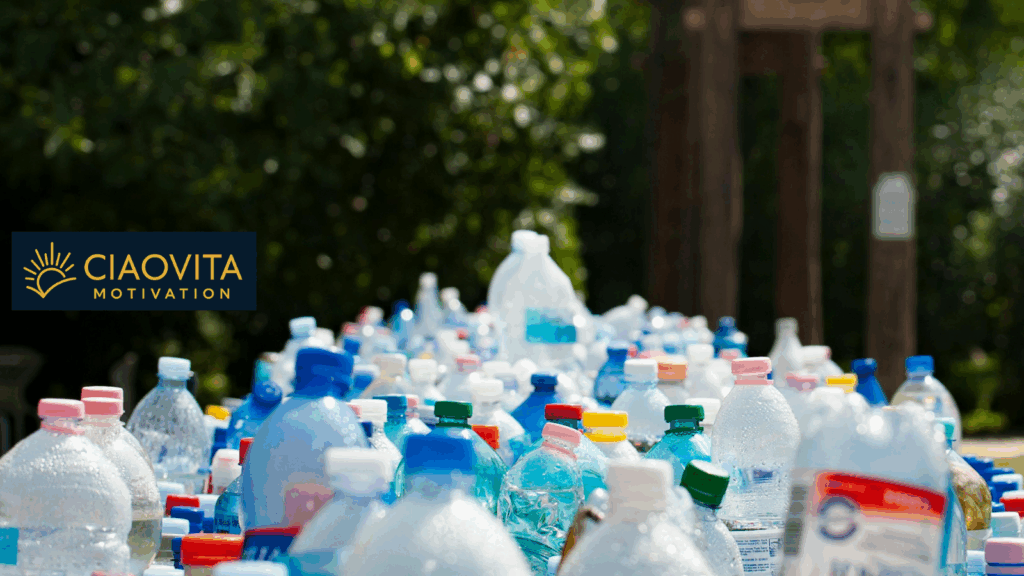
The Plastic Crisis: How Everyday Materials Threaten Human Health
Microplastics Found in Hearts, Brains and Blood Worldwide
Microscopic plastic particles now contaminate every corner of the planet and infiltrate the human body through pathways scientists are only beginning to understand. These fragments, called microplastics and nanoplastics, represent more than environmental pollution. They constitute a direct threat to human health that accumulates with each passing year.
The Scale of Plastic Pollution
Global plastic production exploded from 2 million tons in 1950 to 475 million tons in 2022, representing a staggering 250-fold increase within seven decades. More alarming, half of all plastic ever manufactured appeared since 2010. Without immediate intervention, production could reach 1.2 billion tons annually by 2060. Less than 10% receives successful recycling. The remaining material either burns, accumulates in landfills or breaks down into countless microscopic fragments that contaminate ecosystems worldwide. An estimated 8 billion tons of plastic waste now pollute Earth, with 8,000 to 12 million tons flowing into oceans each year.
These statistics matter because plastic production directly correlates with metabolic syndrome and cardiovascular diseaseaffecting millions. The chemical additives in plastics disrupt normal metabolic function and create systemic inflammation throughout the body.
Microplastics Invade Human Organs
Scientists discovered plastic fragments in virtually every human organ examined. Research published in Nature Medicinein 2024 confirmed the presence of microplastics and nanoplastics in human kidneys, livers and brains. Brain tissues harbored higher proportions of polyethylene compared to liver or kidney compositions. Electron microscopy verified these materials as nanoscale shard-like fragments embedded deep within neural tissue.
The accumulation pattern revealed disturbing trends. Plastic concentrations in deceased human tissues showed no influence from age, sex, race, ethnicity or cause of death. However, time of death emerged as a significant factor. Samples from 2024 contained substantially higher microplastic concentrations than samples from 2016 in both liver and brain tissues. Even greater accumulation appeared in brains from patients with documented dementia diagnoses, with notable deposition in cerebrovascular walls and immune cells.
These particles cross biological barriers once thought impenetrable. They breach the blood-brain barrier protecting neural tissue and penetrate the placenta shielding developing babies. Scientists detected microplastic fragments in human placental tissue, including fetal side, maternal side and chorioamniotic membranes. This prenatal exposure means plastic pollution programs disease into future generations before birth.
Cardiovascular Disease Connection
The cardiovascular system faces particular vulnerability to microplastic contamination. Groundbreaking research published in The New England Journal of Medicine examined patients undergoing carotid endarterectomy for asymptomatic carotid artery disease. More than 50% of excised carotid plaque specimens contained detectable microplastic particles analyzed through pyrolysis gas chromatography mass spectrometry and electron microscopy.
Patients with evidence of microplastics in arterial plaque experienced dramatically worse outcomes. They faced 4.5 times greater risk of myocardial infarction, stroke or death from any cause compared to patients whose plaque showed no microplastic evidence. These plastic-containing plaques exhibited increased levels of inflammatory markers consistent with previous experimental studies on cardiovascular toxicity.
The cardiovascular disease mechanisms involve multiple pathways. Microplastics promote oxidative stress, inflammation and apoptosis in endothelial cells lining blood vessels. They alter heart rate, impair cardiac function, induce myocardial fibrosis and cause endothelial dysfunction. Male mice exposed to environmentally realistic doses of microplastics developed 63% more plaque in the aortic root and dramatically increased atherosclerosis without changes to weight or cholesterol levels.
Recent studies revealed elevated levels of circulating polystyrene nanoplastics in patients with coronary artery disease compared to healthy controls. These findings correlated with elevated biomarkers of endothelial dysfunction and pro-thrombotic cytokines. Comprehensive reviews of cardiovascular toxicity demonstrate that particles physically interfere with normal vascular cell behavior and activate harmful genes linked to inflammation and atherosclerosis.
The Chemical Cocktail
More than 16,000 different chemicals exist in plastics, creating a complex mixture of toxic compounds. Recent comprehensive reviews demonstrate that most chemicals are not chemically bound to the polymer structure. They constantly leak out into whatever the plastic touches, whether food, drinking water or surrounding air. Food packaging represents one of the most direct exposure pathways for these hazardous substances.
Systematic reviews found that 40% of over 3,600 plastic chemicals tested were released into food under normal conditions. Temperature, time, fat content and acidity all increase chemical migration rates. Heating plastic containers or storing acidic foods in them proves particularly dangerous for chemical transfer. Every meal consumed from plastic packaging delivers a dose of these toxic compounds directly into the body.
The chemicals detected in human biomonitoring surveys constitute an alarming inventory. Bisphenols disrupt hormone function and interfere with reproductive development. Phthalates compromise fertility and alter sexual development in children. Brominated flame retardants accumulate in body tissues and persist for years. PFAS chemicals remain in the bloodstream indefinitely, earning the nickname “forever chemicals” for their resistance to breakdown.
These substances appear in virtually everyone tested through blood analysis or urine samples. Even newborn babies show exposure evidence, having received chemical transfers while still developing in the womb. The prenatal period represents the most vulnerable window for plastic chemical exposure because these compounds can reprogram gene expression during critical developmental stages.
Health Consequences Across Life Stages
Plastic chemicals create health problems affecting every stage of human life. In pregnant women and developing babies, exposure increases risks of miscarriage, premature birth, low birth weight and birth defects of reproductive organs. The compounds function as endocrine disruptors that interfere with normal hormone signaling essential for fetal development.
Children face elevated rates of asthma, obesity, type 2 diabetes and childhood cancers linked to plastic chemical exposure. The gut microbiome disruption caused by microplastics affects immune system development and metabolic function. Young bodies absorb and accumulate these compounds more rapidly than adult systems, creating higher relative exposures.
Adults experience increased risks of cardiovascular disease, stroke, diabetes, reduced fertility and various cancers. Microplastics induce metabolic disorders, promote gut microbiota dysbiosis and trigger inflammatory responses throughout the body. Experimental and epidemiological studies suggest exposure contributes to infertility, inflammatory bowel disease, Parkinson’s disease and Alzheimer’s disease development.
The aging process appears accelerated by plastic exposure. Research on cellular aging mechanisms demonstrates that microplastics promote oxidative stress and cellular damage that contribute to age-related diseases. They interfere with normal cellular repair processes and accumulate in tissues over time.
Economic and Environmental Costs
The economic burden of plastic-related health damage reaches staggering proportions. Analysis covering 38 countries found that just three plastic chemicals caused health-related costs of $1.5 trillion in 2015 alone. In the United States, these three compounds caused 237,000 heart disease deaths, 194,000 stroke deaths and the loss of 11.7 million IQ points in children born that year.
These figures represent only a tiny fraction of total costs because they examine just three chemicals out of thousands and cover only a small portion of world population. The true global economic burden of plastic-related health damage likely exceeds these already astronomical numbers by orders of magnitude.
Environmental impacts extend beyond human health to threaten planetary ecosystems. Plastic production releases more than 2 billion tons of greenhouse gases annually, accelerating climate change. The industry consumes 14% of global oil production and 8% of natural gas, with projections suggesting this could reach 20% of all fossil fuels by 2050.
Ocean ecosystems bear particularly heavy burdens. Marine animals mistake plastic fragments for food, leading to intestinal blockages, malnutrition and death. Microplastics alter animal behavior, impair swimming abilities and increase predator vulnerability. In plants, plastic pollution reduces photosynthesis efficiency, threatening both food security and the planet’s carbon dioxide absorption capacity.
Multiple Exposure Pathways
Microplastics enter the human body through three primary pathways. Ingestion represents the most significant route, with contaminated food and water delivering constant doses of plastic particles. Studies estimate people consume approximately 5 grams of plastic particles weekly, equivalent to eating a credit card’s weight through food, drinking water and air.
Inhalation provides another major exposure pathway. Airborne microplastics generate from synthetic textiles, vehicle tire degradation, plastic breakdown and industrial activities. Indoor air concentrations range from 0.1 to 1.2 particles per cubic meter, with urban areas showing higher levels. Fine particles smaller than 10 micrometers reach the lungs, while particles below 1 micrometer penetrate deeper into the respiratory system and enter the bloodstream.
Dermal absorption through skin contact represents an emerging research area. Studies using reconstructed human epidermis models show limited penetration of particles larger than 1 micrometer, which primarily accumulate on outer skin layers. Nanoplastics smaller than 100 nanometers exhibit greater absorption potential, potentially inducing oxidative stress and skin damage. Damaged or inflamed skin may allow deeper penetration, particularly of smaller particles.
Protection Strategies
Reducing microplastic exposure requires comprehensive lifestyle modifications. Replace plastic food containers with glass or stainless steel alternatives. Never heat food in plastic containers or cover food with plastic wrap during microwave cooking. Store acidic foods like tomato sauce in glass rather than plastic containers to minimize chemical migration.
Choose fresh, unpackaged foods whenever possible. Processed and packaged foods deliver higher microplastic doses through prolonged contact with plastic materials. Shop at farmers markets and select produce without plastic packaging. Filter drinking water using systems certified to remove microplastics and replace plastic water bottles with reusable stainless steel or glass options.
Reduce synthetic textile exposure by choosing natural fiber clothing made from cotton, wool, linen or silk. Synthetic fabrics shed microplastic fibers during washing that contaminate water systems and re-enter the environment. When synthetic clothing is necessary, wash less frequently and use mesh laundry bags designed to capture microfibers.
Support lifestyle changes that promote overall health and enhance the body’s natural detoxification systems. Maintain cardiovascular fitness through regular exercise. Consume antioxidant-rich foods that combat oxidative stress caused by plastic chemicals. Prioritize sleep quality to support cellular repair mechanisms.
Policy and Systemic Solutions
Individual actions alone cannot solve the plastic crisis. Systemic changes require coordinated global policy interventions. In March 2022, United Nations member states unanimously agreed to develop a comprehensive, legally binding Global Plastics Treaty covering the entire plastic lifecycle. More than 100 countries now support setting global targets for reducing plastic production to sustainable levels and phasing out the most harmful plastic products and chemicals.
The World Health Organization established three guiding principles for treaty negotiations. First, make human and environmental health core objectives rather than secondary considerations. Second, address health risks across all stages of the plastic lifecycle from production through disposal. Third, ensure access to safe, affordable healthcare products without exempting medical sectors from treaty obligations.
History demonstrates that similar environmental health threats have been successfully addressed through science-driven policy interventions. The phase-out of lead from gasoline, the Montreal Protocol’s success in healing the ozone layer and clean air legislation have all delivered enormous health and economic benefits. When people understand that environmental threats directly impact their health and their children’s futures, they demand action. When governments have reliable data to guide decisions, they can implement effective interventions.
Research Gaps and Future Directions
Scientists acknowledge significant knowledge gaps regarding microplastic health impacts. Standardized techniques for identifying and quantifying microplastics remain underdeveloped. Nanoplastics prove even harder to track yet may cause the most cellular damage due to their ability to penetrate deeper into tissues and cells.
Long-term exposure studies in humans face methodological challenges. Establishing causal relationships requires randomized control trials that would be unethical to conduct. Scientists cannot deliberately expose study participants to potentially harmful substances. Observational studies provide valuable evidence but cannot definitively prove causation.
The synergistic effects of multiple plastic chemicals require urgent investigation. Microplastics act as carriers for other environmental pollutants, adsorbing heavy metals, pesticides and pathogenic microorganisms. This creates amplified health risks through combined exposures that may be greater than individual chemical effects.
Conclusion
The plastic crisis represents one of the most significant public health challenges facing humanity. Microplastics infiltrate human bodies through multiple pathways, accumulate in vital organs and contribute to disease development across all age groups. The cardiovascular system shows particular vulnerability, with plastic-contaminated arterial plaques increasing heart attack and stroke risks by 4.5 times.
More than 16,000 chemicals leak from plastics into food, water and air. These toxic compounds disrupt hormones, promote inflammation, damage cells and interfere with normal organ function. The economic burden already exceeds $1.5 trillion annually from just three chemicals, representing only a fraction of total global costs.
Solutions exist at individual and systemic levels. Reduce personal exposure through material substitutions, food choices and consumption patterns. Support policy initiatives demanding safer materials, comprehensive recycling programs and production limits. The Global Plastics Treaty represents a historic opportunity to address this challenge comprehensively through coordinated international action.
History demonstrates that science-driven policy interventions successfully combat environmental health threats when supported by public awareness and political will. The plastic crisis is not inevitable. The data revealing its scope and severity also illuminates pathways toward solutions. The choice to implement these solutions at the scale and speed the crisis demands belongs to current generations. The health of billions of people worldwide depends on decisions made today.
References
- Primpke S, Fischer M, Lorenz C, Gerdts G, Scholz-Böttcher BM. Bioaccumulation of microplastics in decedent human brains assessed by pyrolysis-GC/MS. Environ Pollut. 2024;342:123164.
- Zhang X, Yu C, Wang P, Yang C. Microplastics and human health: unraveling the toxicological pathways and implications for public health. Front Public Health. 2025;13:1567200.
- Marfella R, Prattichizzo F, Sardu C, Fulgenzi G, Graciotti L, Spadoni T, et al. Microplastics and nanoplastics in atheromas and cardiovascular events. N Engl J Med. 2024;390(10):900-910.
- Hosseini HS, Bond T. A systematic review on cardiovascular impacts of microplastics and nanoplastics: from experimental models to human observations. Environ Res. 2025;241:118562.
- Li H, Wang F, Li J, Deng S, Zhang S. Microplastics as an emerging threat to human health: an overview of potential health impacts. J Environ Manage. 2025;368:122456.
- Prata JC, Silva ALP, Walker TR, Duarte AC, Rocha-Santos T. A review of microplastic pollution and human health risk assessment: current knowledge and future outlook. Front Environ Sci. 2025;13:1606332.
© 2025 Alice & Marcus Guimarães. All rights reserved.This site is proudly created with WordPress.