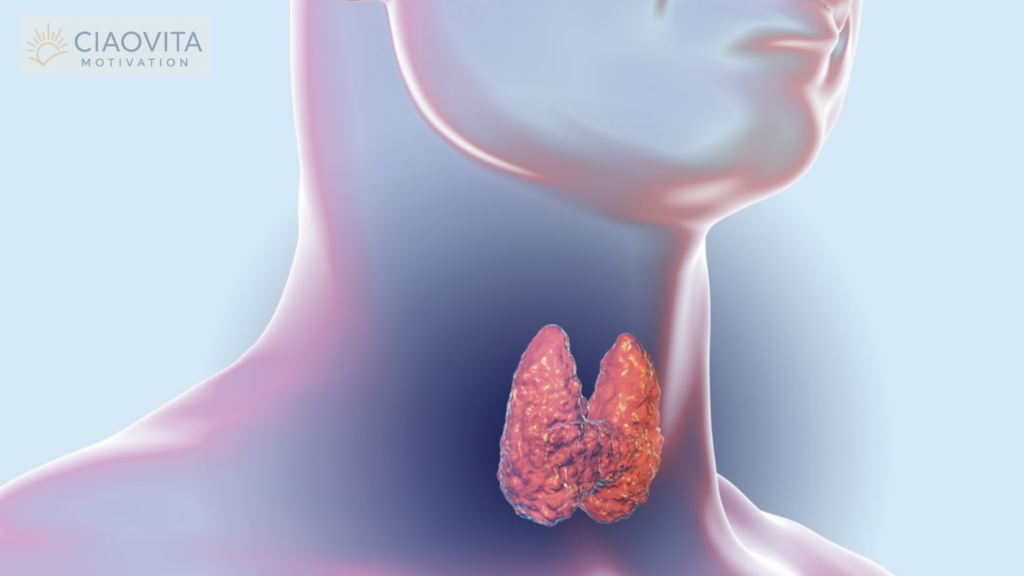
Thyroid Disorders: When Treatment Isn't Working
Understanding subclinical hypothyroidism progression and combination therapy options.
Living with thyroid problems can feel frustrating, especially when you’re doing everything right but still don’t feel well. You take your medication daily, your doctor says your bloodwork looks normal, yet fatigue drags you down and weight gain persists. This scenario affects millions of people worldwide who struggle with thyroid disorders, particularly hypothyroidism.
Recent comprehensive research involving multiple studies with nearly 2,000 patients reveals critical insights about how thyroid conditions progress and why standard treatment doesn’t work for everyone. Understanding these findings can help you and your healthcare provider make better decisions about managing your thyroid health.
What happens when your thyroid function changes over time
Subclinical hypothyroidism represents an early stage of thyroid dysfunction where blood tests show elevated thyroid-stimulating hormone (TSH) but normal levels of thyroid hormones T4 and T3. This condition affects approximately 3 to 15% of the general population, with prevalence increasing significantly with age.
A systematic review analyzing eight prospective studies with 1,859 participants tracked how thyroid function evolves naturally over time. The findings reveal important patterns that affect treatment decisions. When TSH levels reach 10 mU/L or higher, patients face an 11-fold increased risk of progression to overt hypothyroidism compared to those with lower TSH elevations.
The research also discovered that approximately one-third of patients with subclinical hypothyroidism experience spontaneous normalization of their TSH levels without treatment. This natural fluctuation explains why doctors often recommend monitoring rather than immediately starting medication for mild TSH elevations.
The widespread impact of hypothyroidism
Hypothyroidism ranks among the most common endocrine disorders globally. The condition affects nearly 10% of women and 1.5% of men, though these numbers vary by population and iodine intake levels. The thyroid gland produces hormones that regulate metabolism in virtually every cell of your body, so insufficient thyroid hormone affects multiple organ systems simultaneously.
Classic symptoms include fatigue, lethargy, weight gain, cold intolerance, constipation, dry skin and changes in voice quality. However, these symptoms lack specificity, meaning many other conditions cause similar complaints. This is why proper diagnosis and management of diabetes and endocrine disorders relies on blood work rather than symptoms alone.
The most common cause of hypothyroidism in developed countries is chronic autoimmune thyroiditis, also known as Hashimoto’s thyroiditis. Other frequent causes include radioactive iodine treatment, thyroid surgery, and certain medications like amiodarone, lithium and immune checkpoint inhibitors. Historically, severe iodine deficiency caused most cases worldwide, though this has changed with widespread salt iodization programs.
While hypothyroidism involves insufficient thyroid hormone production, the opposite condition exists as well. Hyperthyroidism and Graves disease present different challenges, including elevated heart rate, anxiety, weight loss and increased cardiovascular risks that require distinct treatment approaches.
Why standard treatment doesn’t work for everyone
Levothyroxine (synthetic T4) monotherapy serves as the standard treatment for hypothyroidism. This medication works effectively for most patients, normalizing TSH levels and resolving symptoms. The treatment proves safe, inexpensive and well-tolerated by the vast majority of people.
Despite these advantages, approximately 10 to 15% of patients experience persistent symptoms even after achieving normal TSH levels with levothyroxine treatment. These individuals continue struggling with fatigue, weight issues, brain fog and other complaints that significantly impact their quality of life.
A systematic review examined 20 clinical trials comparing combination therapy with LT4 plus LT3 (liothyronine) versus LT4 monotherapy. The studies evaluated various outcomes including mood, cognitive function, quality of life, depression, anxiety and physical symptoms. The research included diverse populations with hypothyroidism from different causes including autoimmune disease, radioactive iodine treatment and thyroid surgery.
The controversy around combination therapy
The evidence on combination therapy presents a complex picture. Most randomized controlled trials found no significant advantage of LT4/LT3 combination over LT4 monotherapy for the general hypothyroid population. Studies using different ratios of T4 to T3, ranging from 5:1 to 20:1, failed to demonstrate consistent benefits in symptom relief or quality of life measures.
However, patient preference studies tell a different story. A significant proportion of participants in these trials preferred combination therapy despite the absence of objective improvements on standardized questionnaires. This disconnect between measured outcomes and patient experience has generated ongoing debate in the thyroid medicine community.
Several factors may explain why clinical trials haven’t shown clear benefits. Small sample sizes in many studies increase the risk of missing real effects. The diverse causes of hypothyroidism in study populations may dilute treatment responses. Additionally, current symptom assessment tools may not capture the specific improvements patients actually experience.
Understanding the T4 to T3 conversion question
One proposed explanation for persistent symptoms focuses on inadequate T3 levels in body tissues. Normally, about 80% of T3 in your bloodstream comes from converting T4 to T3 in peripheral tissues through enzymes called deiodinases. Only 20% comes directly from thyroid gland secretion.
Some researchers suggest that patients taking levothyroxine may not achieve optimal tissue T3 levels despite normal TSH. Studies have found that hypothyroid patients on LT4 replacement typically have higher T4/T3 ratios compared to people with normal thyroid function. A low T3/T4 ratio correlates with persistent symptoms including weight gain, cold intolerance and skin problems in some studies.
Genetic variations also play a role. The Thr92Ala polymorphism in the gene encoding the type 2 deiodinase enzyme affects how efficiently your body converts T4 to T3. Patients carrying this genetic variant may experience reduced benefit from LT4 monotherapy and potentially respond better to combination treatment, though research continues on this question.
Interestingly, metabolic syndrome and obesity can complicate thyroid function, creating a bidirectional relationship where thyroid dysfunction affects metabolic health while metabolic disturbances influence thyroid hormone levels and treatment effectiveness.
Practical considerations for treatment decisions
If you’re experiencing persistent symptoms despite normal TSH levels on levothyroxine, several steps can help. First, work with your healthcare provider to rule out other conditions that cause similar symptoms. Vitamin D deficiency, iron deficiency, sleep disorders, depression and chronic fatigue syndrome frequently coexist with or mimic hypothyroid symptoms.
Ensuring optimal levothyroxine absorption matters tremendously. Take your medication on an empty stomach, 30 to 60 minutes before breakfast. Avoid taking it with coffee, calcium supplements, iron supplements or medications that interfere with absorption. Even small changes in absorption can affect symptom control.
Consider whether your target TSH range is appropriate for you as an individual. While population reference ranges typically fall between 0.4 and 4.0 mU/L, some patients feel better with TSH levels in the lower portion of this range. Discuss this possibility with your doctor, especially if symptoms persist despite TSH values in the middle or upper normal range.
The question of combination therapy requires careful discussion with an endocrinologist or thyroid specialist. Current guidelines generally recommend LT4 monotherapy as first-line treatment. However, for selected patients who remain symptomatic despite optimal LT4 therapy and exclusion of other causes, a trial of combination therapy may be reasonable.
What future research may reveal
Several ongoing areas of investigation may improve thyroid disorder treatment. New slow-release T3 formulations aim to provide more stable blood levels throughout the day, avoiding the peaks and troughs seen with current liothyronine preparations. These formulations could make combination therapy safer and more practical if proven effective.
Research into genetic testing to identify patients who might benefit from combination therapy continues to develop. If Thr92Ala polymorphism testing or other biomarkers can reliably predict treatment response, personalized medicine approaches could match specific treatments to individual patients most likely to benefit.
Better patient-reported outcome measures specifically designed for thyroid disease assessment may help clinical trials detect treatment benefits that current generic quality of life questionnaires miss. The ThyPRO questionnaire represents one such thyroid-specific tool gaining wider use in research.
Understanding thyroid disorders requires patience and partnership with knowledgeable healthcare providers. While levothyroxine monotherapy works well for most people, recognizing that some patients need different approaches validates ongoing research into treatment alternatives. Whether through adjusted dosing strategies, combination therapy or new formulations, the goal remains helping every patient achieve both normalized blood tests and genuine symptom relief.
Conclusion
Thyroid disorders affect millions of people, and while standard levothyroxine treatment proves effective for most patients, persistent symptoms plague a meaningful minority despite normalized lab values. Understanding how subclinical hypothyroidism progresses helps guide early intervention decisions, particularly when TSH rises above 10 mU/L.
The debate around combination T4/T3 therapy reflects legitimate questions about individualizing treatment. Current evidence doesn’t support routine use of combination therapy, yet patient experiences suggest some individuals genuinely benefit from this approach. Factors including inadequate T3 conversion, genetic variations and measurement limitations all contribute to this complex picture.
Moving forward, personalized medicine approaches incorporating genetic testing, improved symptom assessment and novel formulations may help match treatments to individual patient needs more effectively. Until then, working closely with knowledgeable healthcare providers, optimizing medication absorption, excluding other conditions and considering appropriate adjustments within current treatment paradigms offers the best path for managing persistent thyroid symptoms.
References
- Zhang X, Zhang G, Wang S, et al. The change in thyroid function categories with time in patients with subclinical hypothyroidism: a systematic review and meta-analysis. BMC Endocr Disord. 2024;24:224.
- Chaker L, Razvi S, Bensenor IM, et al. Hypothyroidism. Lancet. 2024;404(10460):1304-1320.
- Vargas-Uricoechea H, Wartofsky L. LT4/LT3 Combination Therapy vs. Monotherapy with LT4 for Persistent Symptoms of Hypothyroidism: A Systematic Review. Int J Mol Sci. 2024;25(17):9218.
© 2025 Alice & Marcus Guimarães. All rights reserved.This site is proudly created with WordPress.