Your Gut Microbiome and Severe Allergic Reaction Risk.
How Gut Bacteria Shape Food Allergy and Anaphylaxis Risk
Imagine eating a peanut butter sandwich and going into anaphylaxis, a life-threatening reaction where your throat swells shut and your blood pressure crashes within minutes. Now imagine that the trillions of bacteria living in your intestines played a direct role in making that reaction so severe. That connection is not science fiction. It is exactly what cutting-edge immunology research is revealing right now.
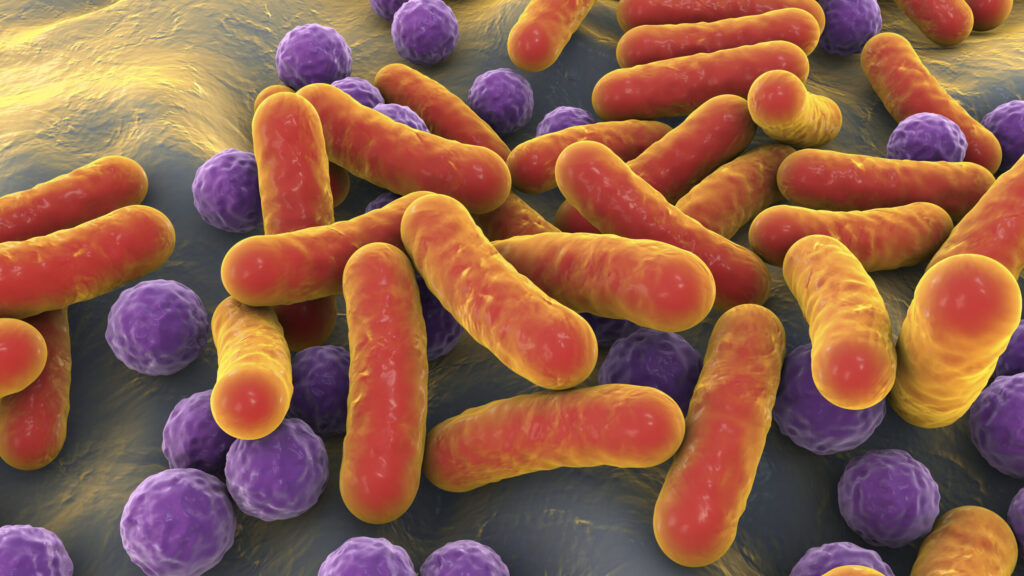
The gut microbiome, the vast community of bacteria, fungi, and viruses living in your intestines, does far more than digest food. It actively trains your immune system from birth. When this microbial community is disrupted, a state called dysbiosis, your immune system loses the key checkpoints that prevent it from overreacting to harmless substances like food proteins. The result can be a severe and even life-threatening allergic response.
Multiple high-quality reviews published between 2024 and 2026 confirm this connection. Children and adults with disrupted gut bacteria show higher rates of IgE-mediated food allergy and a greater risk of severe reactions. The good news is that many of the factors disrupting your microbiome are modifiable. Understanding them is the first step toward protection. For a broader view of immune reactions to food, read our guide on food allergy versus intolerance.
What Is the Gut Microbiome and Why Does It Matter for Allergies?
Your gut contains roughly 38 trillion microbial cells, more than the total number of human cells in your body. These microbes are not passive passengers. They produce signaling molecules, train immune cells and protect the intestinal lining that separates your blood from the contents of your gut. About 70% of all immune cells in the body reside in the gut-associated lymphoid tissue, making the gut the largest immune organ in the human body.
The bacteria living alongside these immune cells are in constant dialogue with them. They teach immune cells the critical difference between dangerous pathogens and harmless proteins, including those in the foods you eat every day. When this dialogue is healthy, your immune system produces regulatory T cells (Tregs), specialized peacekeeping cells. Tregs suppress unnecessary immune responses and promote oral tolerance, which is your immune system’s learned ability to ignore food proteins it encounters regularly.
When the microbiome is disrupted, this peacekeeper system collapses. Without sufficient regulatory signals from beneficial bacteria, the immune system shifts toward a Th2-dominant response, the allergic immune profile. This shift drives the production of IgE antibodies, which attach to mast cells and basophils throughout your body. The next time you encounter the allergen, these armed cells release a flood of histamine and other inflammatory mediators. Mild cases cause hives or a runny nose. Severe cases trigger anaphylaxis.
Key gut bacteria that protect against allergic disease:
- Bifidobacterium species — promote regulatory T cell differentiation and reduce Th2 immune responses
- Clostridia species — generate short-chain fatty acids that reinforce the gut barrier and suppress allergic sensitization
- Lactobacillus species — stimulate immune tolerance pathways and reduce IgE production
- Lachnospiraceae family — maintain gut barrier integrity and produce the protective metabolite butyrate
- Faecalibacterium prausnitzii — one of the most abundant anti-inflammatory bacteria in a healthy gut
A 2024 review published in the Annals of Allergy, Asthma & Immunology by Davis et al. confirmed that children who develop food allergy consistently harbor lower levels of Bifidobacterium and Clostridia during the first year of life, precisely the window when immune tolerance to food is being programmed. A 2024 scoping review in Frontiers in Allergy, covering studies published from 2011 to 2024, confirmed this dysbiosis pattern across all major types of pediatric food allergy, including cow’s milk, egg, peanut and wheat allergy.
How Dysbiosis Raises Your Food Allergy Risk
Dysbiosis means an imbalance in your gut microbial community, too many harmful bacteria, too few beneficial ones or reduced diversity overall. Scientists now understand that dysbiosis does not just accompany food allergy. It actively precedes it and it drives it.
Think of your gut microbiome as a nation’s security system. When functioning well, it distinguishes between real threats and harmless visitors. When compromised, it starts treating everyday food proteins — peanuts, milk, eggs, shellfish — as dangerous invaders. The result is an immune response designed to expel a threat that was never real.
Research mapped this sequence clearly. In infants who later developed food allergy, dysbiosis was detectable in stool samples months before the first allergic reaction appeared. The microbiome disruption came first. The allergy followed. This timing is critical, it means dysbiosis is a potential driving force in allergy development, not merely a side effect.
Consider two infants born to the same parents with similar genetics. Infant A is born vaginally, breastfed and lives with older siblings in a family that spends time outdoors. Infant B is born by cesarean section, formula-fed from birth and grows up in a highly sanitized urban environment with limited microbial exposure. By age two, Infant B shows dramatically lower gut bacterial diversity and significantly lower levels of Bifidobacterium and SCFA-producing Clostridia. Research consistently shows this profile raises the risk of food allergy and severe anaphylactic reactions.
This is consistent with the old friends hypothesis, the updated version of the hygiene hypothesis, which proposes that the dramatic rise in allergic disease in high-income countries is directly tied to reduced microbial exposure during the early-life window. Our article on gut microbiota, inflammation, and healthy aging explores how microbial imbalance drives chronic inflammation across multiple organ systems.
A 2025 review in JACI: In Practice confirmed that early-life gut microbiome dysbiosis is most severe in infants born by cesarean section, exposed to antibiotics or lacking diverse dietary and environmental exposures. These risk factors reduce microbial colonization exactly when immune tolerance is being programmed for life.
The Mast Cell Connection — From Gut Bacteria to Anaphylaxis
Understanding why some allergic reactions remain mild while others become life-threatening requires understanding mast cells. These specialized immune cells are stationed in your skin, lungs, gut wall and blood vessel walls. Each carries thousands of IgE receptor sites on its surface. When food allergen proteins attach to these receptors, the mast cell degranulates, releasing histamine, leukotrienes, prostaglandins and dozens of inflammatory mediators simultaneously. This rapid, massive release is what defines anaphylaxis.
🔑 KEY FINDING: A 2026 review in Biomolecules revealed that the gut microbiota plays a critical role in shaping mast cell development, maturation, and activation. A disrupted microbiome directly increases mast cell reactivity — making anaphylaxis more likely and more severe when allergen exposure occurs. |
The gut microbiome does not just regulate mast cell numbers. It controls how reactive each mast cell is. In a healthy gut, bacterial metabolites, particularly butyrate and other short-chain fatty acids, exert a calming effect on mast cells. They reduce IgE receptor expression and limit the inflammatory mediators released per activation event.
In a dysbiotic gut, this calming mechanism fails. Intestinal mast cells become hyperreactive, releasing more mediators per trigger. Research in animal models showed that anaphylaxis severity correlates directly with the number and reactivity of intestinal mast cells and that both are regulated by the microbial environment.
Beyond mast cells, the microbiome also regulates type 2 innate lymphoid cells (ILC2s), early alarm cells in your immune response. When SCFA-producing bacteria are depleted, ILC2 cells become hyperactive and drive IgE production through a cascade that bypasses normal regulatory controls. Even brief antibiotic exposure in early life has been shown to cause a twofold increase in activated lung ILC2s, with effects persisting into adulthood.
This gut-immune connection is also central to other autoimmune and inflammatory conditions. Our detailed article on celiac disease and gut microbiota examines how a similar mechanism of microbial dysbiosis triggers autoimmune damage in the intestinal lining.
Short-Chain Fatty Acids — The Critical Link Between Your Microbiome and Immunity
Among all the pathways through which the gut microbiome communicates with your immune system, short-chain fatty acids (SCFAs) represent one of the most powerful and well-studied. Understanding SCFAs helps explain precisely why what you eat matters not just for nutrition, but directly for your gut microbiome allergy risk.
SCFAs are small molecules produced when beneficial gut bacteria ferment dietary fiber, the indigestible plant material found in vegetables, fruits, whole grains and legumes. When you eat fiber, bacteria like Bifidobacterium, Clostridia and Lachnospiraceae convert it into these protective metabolites. The three main SCFAs are:
- Butyrate — the most researched; primary energy source for colon cells and a powerful immune regulator that promotes Treg differentiation
- Propionate — protects against excessive Th2 immune responses and reduces IgE production by B cells through epigenetic mechanisms
- Acetate — the most abundant SCFA; supports gut barrier integrity and modulates basophil activity to reduce allergic sensitization
These three molecules make up 90-95% of total SCFAs in the colon. They bind to specific G-protein-coupled receptors on immune cells — GPR41, GPR43 and GPR109A — triggering signaling cascades that collectively promote immune tolerance and suppress allergic reactivity.
A 2024 systematic review in Allergy , the official journal of the European Academy of Allergy and Clinical Immunology, analyzed 37 studies and found consistent evidence that higher butyrate and propionate levels in early life were protective against IgE-mediated food allergy, atopic dermatitis and asthma. This represents the most comprehensive synthesis of the SCFA-allergy relationship published to date.
The protective mechanisms operate at multiple levels. Butyrate promotes naive T cell differentiation into Tregs, directly suppressing the Th2 response responsible for allergic sensitization. Propionate reduces IgE production by B cells. Both metabolites strengthen the tight junction proteins in the gut wall, preventing allergen proteins from reaching the bloodstream in partially digested form. This process, when dysregulated, is known as increased intestinal permeability and it is consistently elevated in food-allergic individuals.
📌 CALLOUT — THE FIBER-ANAPHYLAXIS CONNECTION: A 2025 study showed that dietary fiber-derived oligosaccharides directly inhibit mast cell degranulation in experimental settings. This means eating more fiber and feeding the bacteria that ferment it, may literally dampen the biological explosion that triggers anaphylaxis. The gut microbiome allergy connection runs through every meal you eat. |
In children and adults with food allergy, stool SCFA levels are consistently lower than in healthy controls. Metabolomic analyses confirm reduced butyrate production in allergic children, directly correlating with depleted populations of Bifidobacterium, Clostridium, Lactobacillus and Lachnospiraceae — the bacteria most responsible for fiber fermentation and SCFA generation.
A 2025 meta-analysis in Nutrition Reviews analyzing 37 clinical studies found that certain probiotic strains — especially Lactobacillus rhamnosus GG — showed consistent benefits in reducing cow’s milk allergy severity and expanding butyrate-producing bacterial populations in allergic infants. The practical implication is clear: diet and targeted probiotics can shift your SCFA profile and, with it, your gut microbiome allergy risk.
Increasing SCFA production is achievable through diet. More fiber means more fermentation and more protective metabolites. Fermented foods add live bacteria that both produce and stimulate SCFA production. Our comprehensive guide to gut health, probiotics, and postbiotics provides a full evidence-based roadmap for building a more protective microbiome.
What Disrupts Your Microbiome and Raises Allergy Risk?
The global rise in food allergy and anaphylaxis over four decades tracks closely with specific lifestyle changes in high-income countries. Understanding what disrupts the microbiome and what you can do about it, is where the science becomes practically useful.
A 2025 review in JACI: In Practice identified the following as the most evidence-supported risk factors for early-life microbiome dysbiosis and increased food allergy risk:
- Cesarean section delivery — babies born vaginally are colonized by maternal vaginal and gut bacteria during passage through the birth canal. C-section babies miss this critical microbial transfer and show lower Bifidobacterium levels for months.
- Antibiotic exposure in early life — a single antibiotic course in infancy depletes SCFA-producing Clostridia and Lactobacillus. Even brief antibiotic use has been shown to cause lifelong increases in IgE reactivity by disrupting the ILC2–B1 cell–IgE signaling axis.
- Formula feeding versus breastfeeding — human breast milk contains complex human milk oligosaccharides (HMOs) that specifically promote Bifidobacterium growth and reduce mast cell degranulation. Formula-fed infants consistently show lower Bifidobacterium levels and higher allergy rates.
- Low dietary fiber intake — the Western diet’s chronic reduction in plant foods directly starves SCFA-producing bacteria. Without adequate fiber, these bacteria generate inflammatory protein fermentation byproducts instead of protective SCFAs.
- Ultra-processed foods — beyond fiber deficit, ultra-processed foods contain emulsifiers, preservatives and additives that damage the gut barrier and directly alter microbial composition, reducing diversity over time.
- Reduced early-life microbial exposure — children raised on farms, with pets, or with older siblings show dramatically lower rates of allergic disease, correlating with greater microbial diversity from early environmental exposure.
- Chronic stress and poor sleep — cortisol disrupts gut barrier function and shifts bacterial populations toward less diversity and more inflammatory species, amplifying the risk of gut microbiome allergy connection.
What can you do to protect your microbiome?
Many of these risk factors are not within your direct control. You cannot retroactively change how you were born or eliminate childhood antibiotics. However, several evidence-backed strategies can meaningfully improve your microbiome at any age:
- Eat 30+ different plant foods per week — this is the single most evidence-backed dietary strategy for microbiome diversity and SCFA production, supported by large-scale microbiome research
- Include fermented foods daily — yogurt, kefir, kimchi, sauerkraut, miso and kombucha introduce live bacteria and stimulate SCFA-producing populations
- Minimize unnecessary antibiotic use — discuss with your physician whether antibiotics are truly necessary before each course, particularly in children
- Consider targeted probiotics — strains like Lactobacillus rhamnosus GG and Bifidobacterium infantis have evidence for allergy prevention in high-risk infants
- Breastfeed if possible — even a few weeks of breastfeeding contributes meaningfully to microbiome establishment and long-term allergy protection
- Prioritize sleep and stress management — chronic stress-induced cortisol elevation disrupts gut integrity; quality sleep supports healthy microbial balance
These steps protect your microbiome across the lifespan. Adults can restore meaningful microbial diversity through sustained dietary changes. The evidence is consistent: your microbiome is a dynamic ecosystem that responds to how you live, what you eat, and the choices you make about antibiotics and diet.
Conclusion
The science connecting the gut microbiome to food allergy and anaphylaxis risk has moved from hypothesis to established consensus with remarkable speed. What began as the observation that allergic children have different gut bacteria has become a mechanistic understanding of how microbial balance determines immune reactivity at every level.
The key evidence is clear. A diverse, SCFA-producing microbiome trains your immune system toward tolerance. Microbiome dysbiosis, driven by C-section delivery, antibiotic use, formula feeding, low fiber intake, and reduced microbial exposure, disrupts this training. It creates a hyperreactive immune system with overactive mast cells primed for severe allergic responses. The gut microbiome allergy connection is one of the most important and modifiable aspects of immune health in modern medicine.
This does not mean a disrupted microbiome will inevitably cause anaphylaxis. Genetics and allergen exposure also matter. But the microbiome represents a modifiable layer of risk that was largely invisible just a decade ago. For individuals already living with severe food allergy, always carry your epinephrine auto-injector — microbiome optimization complements but does not replace emergency treatment.
Eating more diverse plant foods, including fermented foods daily, protecting early-life microbiome establishment and using antibiotics judiciously are all actions with solid evidence behind them. Explore our comprehensive guide to gut health and probiotics to take the next step in building a more resilient microbiome — and a significantly more balanced immune system.
References
1. Davis EC, Sindher SB, Lemoine T, Jarvinen KMJ. Gut microbiome in the first 1000 days and risk for childhood food allergy. Ann Allergy Asthma Immunol. 2024;133(3):252–61.
2. Farnetano M, Carucci L, Coppola S, Oglio F, Masino A, Cozzolino M, et al. Gut microbiome features in pediatric food allergy: a scoping review. Front Allergy. 2024;5:1438252.
3. Sasaki M, Takase H, Shimizu A, et al. Systematic review of the association between short-chain fatty acids and allergic diseases. Allergy. 2024;79(5):1185–99.
4. Koidl L, Untersmayr E. An update on the clinical implications of the microbiome in the development of allergy diseases. Allergo J Int. 2024;33:263–8.
5. [Authors]. The gut microbiota–mast cell axis in intestinal homeostasis and food allergy pathogenesis. Biomolecules. 2026;16(2):254.
6. [Authors]. Role of the early-life microbiome in the development of food allergy. J Allergy Clin Immunol Pract. 2025. doi:10.1016/j.jaip.2025.12.007.
7. Jiang L, Zhang L, Xia J, et al. Probiotics supplementation during pregnancy or infancy on multiple food allergies and gut microbiota: a systematic review and meta-analysis. Nutr Rev. 2025;83(2):e25–e41.
© 2026 Alice & Marcus Guimarães. All rights reserved.This site is proudly created with WordPress.